


What's Happening?
Uber's strategy to become the dominant platform for autonomous ride-hailing and delivery is facing challenges as key partners, Waymo and Serve Robotics, are ending their exclusive agreements. Uber CEO Dara Khosrowshahi had expressed optimism about these
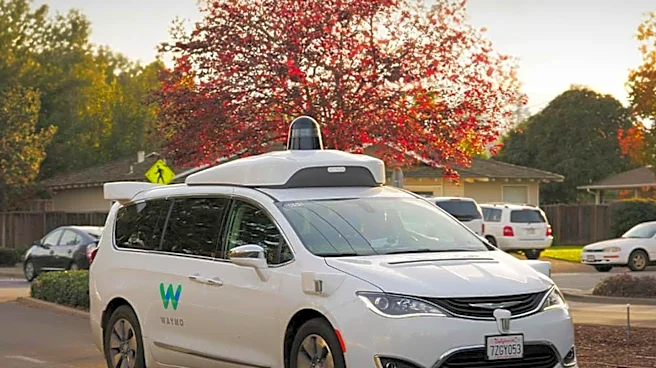
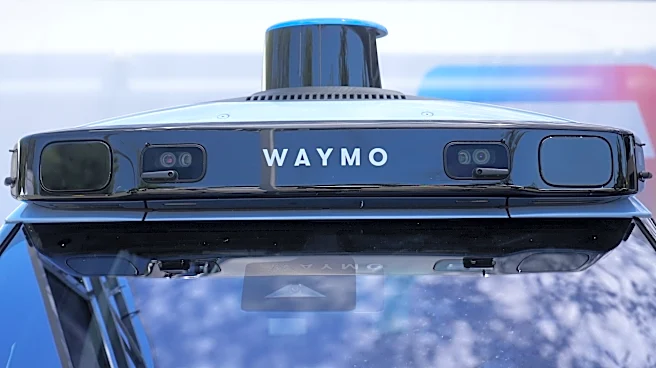
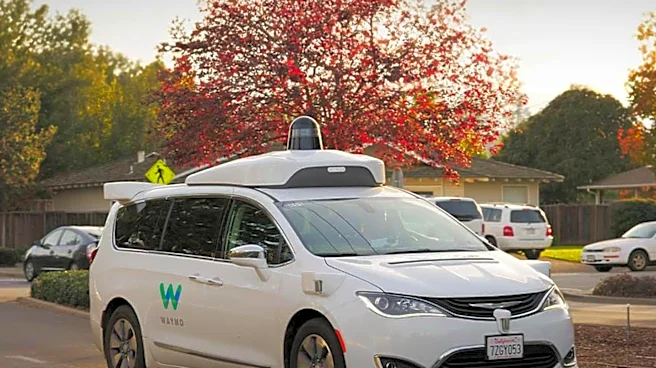
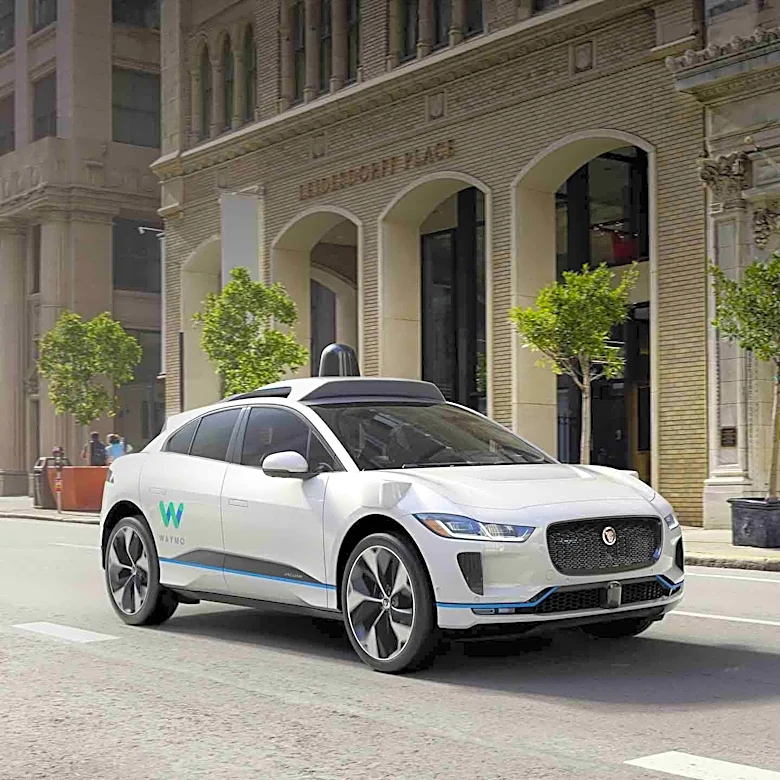
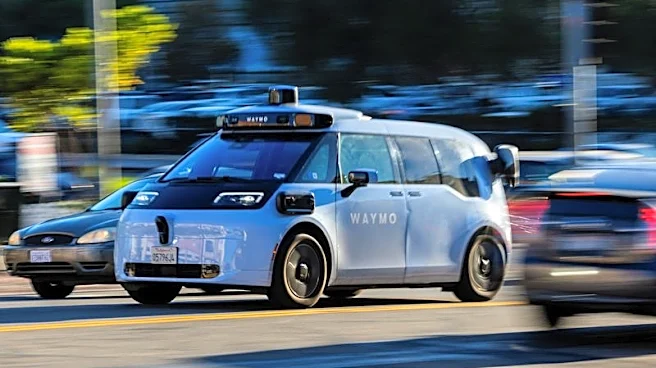
partnerships, particularly with Waymo, the leader in autonomous robotaxis, in an August earnings call. However, Waymo co-CEO Tekedra Mawakana later announced plans to end its exclusive robotaxi partnership with Uber by January 2028, citing a preference for direct customer interaction and a desire to avoid a 'crapshoot' mixed-fleet experience for its users in cities like Austin and Atlanta. Similarly, Serve Robotics, which operates thousands of sidewalk delivery robots, will not renew its partnership with Uber Eats when it expires in 2027. Serve Robotics CEO Ali Kashani indicated that the decision was largely economic, as the company aims to allow businesses to connect directly to its fleet, bypassing the significant fees charged by delivery apps. This shift indicates a growing trend among autonomous vehicle companies to establish direct relationships with their customers rather than relying on intermediary platforms.
Why It's Important?
This development is significant for Uber as it undermines its ambition to be the primary app for autonomous services globally. Uber's model relied on leveraging its vast customer base to help autonomous vehicle startups gain traction, acting as a 'Trojan horse' to introduce AVs to a broader audience. The departure of major players like Waymo and Serve Robotics suggests that these companies now feel established enough to operate independently, seeking greater control over customer data, pricing, and user relationships. This could lead to increased competition for Uber in the autonomous vehicle market, as customers may increasingly opt for dedicated AV apps. For consumers, it could mean more choices in how they access autonomous ride-hailing and delivery services, potentially leading to varied pricing and service models. The shift also highlights the evolving dynamics in the autonomous industry, where robot developers are moving towards direct commercialization rather than relying on third-party platforms.
What's Next?
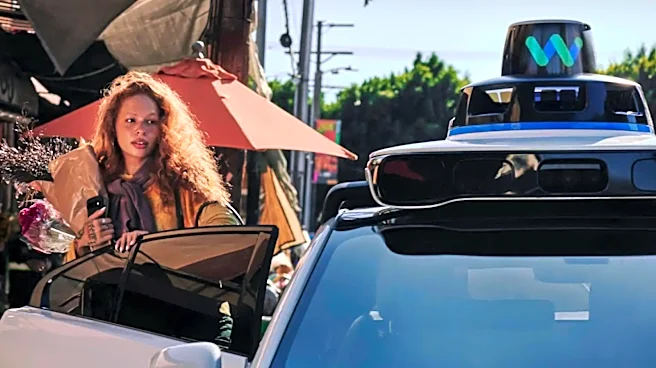
Following these partnership terminations, Uber will likely need to reassess its strategy for integrating autonomous vehicles into its platform. While Uber still has deals with over 30 other autonomous vehicle companies globally, the loss of Waymo and Serve Robotics, two prominent players, could impact its market positioning. Uber may focus on strengthening its relationships with remaining partners and exploring new collaborations to maintain its presence in the autonomous sector. Waymo and Serve Robotics, on the other hand, are expected to expand their direct-to-consumer offerings. Waymo will allow riders in Austin and Atlanta to hail driverless rides directly through its app starting in January 2028. Serve Robotics plans to offer a direct developer API, enabling businesses to integrate robot delivery services directly into their operations. This could lead to a more fragmented autonomous service market, with multiple apps and direct service options available to consumers.
Beyond the Headlines
The decisions by Waymo and Serve Robotics to move away from exclusive partnerships with Uber underscore a broader tension in the platform economy: the struggle for control between platform providers and the service providers operating on them. As autonomous technology matures, the companies developing these robots are increasingly seeking to own the entire customer experience, from the technology to the direct user relationship. This shift challenges the traditional platform model where intermediaries like Uber take a significant cut for connecting users with services. It also raises questions about the long-term viability of platform-dependent growth for emerging technologies. The move towards direct engagement by AV companies could also accelerate innovation in customer-facing aspects of autonomous services, as they compete directly for user preference. Furthermore, this trend could influence regulatory discussions around autonomous vehicles, as more independent operators enter the market, potentially leading to new policy considerations regarding competition and consumer choice.