





What's Happening?
Costco Business Centers, distinct from regular Costco warehouses, provide members with access to a unique inventory of bulk items, often at lower prices. With 27 locations across the U.S., these centers cater to businesses but are accessible to all Costco members.
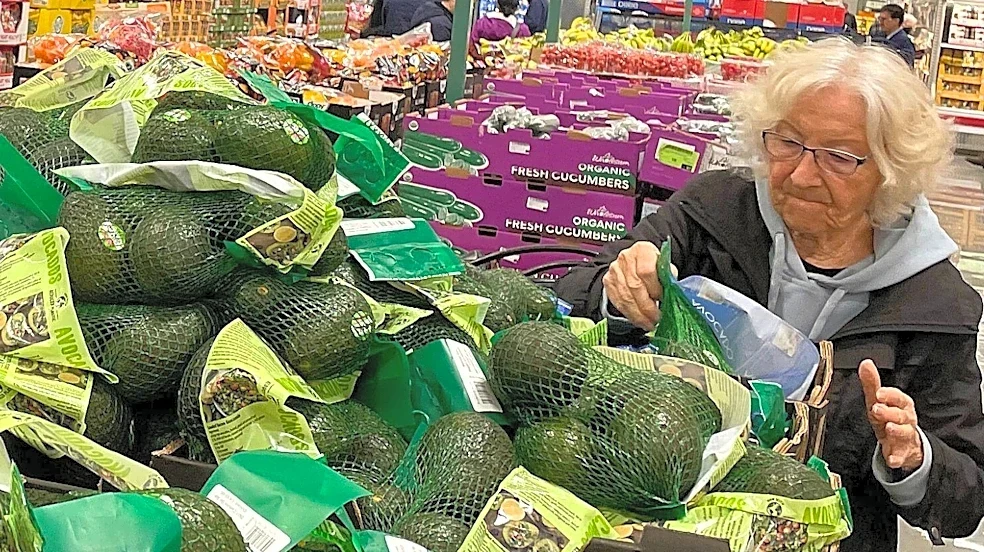
The inventory includes specialized bulk packs of chips and snacks, allowing customers to purchase single-flavor options rather than mixed variety packs. Additionally, they offer frozen fruits and vegetables in larger, single-ingredient quantities, such as five-pound bags of peas or carrots, and three-pound bags of frozen peeled avocados. The beverage selection is also more extensive, featuring single-flavor cases of sodas, energy drinks, and a wider variety of La Croix flavors. Coffee and flavored syrups, including large bottles of brands like DaVinci Gourmet, are available at competitive prices, often with more options than standard warehouses. These offerings are designed to provide greater value and selection for bulk purchasers.
Why It's Important?
The existence of Costco Business Centers significantly impacts U.S. consumers and small businesses by offering specialized bulk purchasing options that are not available at traditional Costco warehouses. For businesses, this means access to larger quantities of specific products, which can lead to cost savings and more efficient inventory management. For individual members, it provides an opportunity to maximize their membership value by accessing exclusive deals and product varieties, particularly for items like snacks, frozen produce, and beverages. The ability to buy single-flavor bulk packs of chips or specific frozen vegetables addresses a common consumer desire for customization and avoids unwanted items in mixed packs. This model also fosters competition within the retail sector, pushing other bulk retailers to potentially diversify their offerings or adjust pricing to retain customers who might otherwise seek out the specialized inventory at Costco Business Centers. The lower prices and unique selections can help households and small enterprises manage their budgets more effectively.
What's Next?
As awareness of Costco Business Centers grows, it is likely that more Costco members will explore these locations to take advantage of the unique offerings and potential savings. This could lead to increased foot traffic and sales at the 27 existing Business Centers. Costco may consider expanding the number of Business Center locations if the demand continues to rise, particularly in areas with a high concentration of small businesses or members seeking specialized bulk products. The success of these centers could also influence Costco's overall inventory strategy, potentially leading to a re-evaluation of product assortments in standard warehouses or the introduction of more specialized bulk options across its retail footprint. Competitors in the bulk retail space might also observe these trends and adapt their own strategies to offer more tailored or cost-effective bulk purchasing solutions to their customer base.
Beyond the Headlines
The distinct inventory and pricing at Costco Business Centers highlight a broader trend in retail towards niche market catering, even within large-scale operations. While Costco is known for bulk sales, the Business Centers demonstrate a strategic segmentation of its customer base, recognizing that the needs of a small business or a large family differ from those of a typical household. This approach reflects an understanding of diverse consumer behaviors and purchasing patterns, moving beyond a one-size-fits-all model. It also underscores the ongoing evolution of brick-and-mortar retail in the age of e-commerce, where offering unique in-store experiences and specialized products can be a key differentiator. The emphasis on single-flavor bulk options and specific frozen produce items also speaks to a growing consumer preference for customization and waste reduction, allowing buyers to purchase exactly what they need without unwanted extras.