






What's Happening?
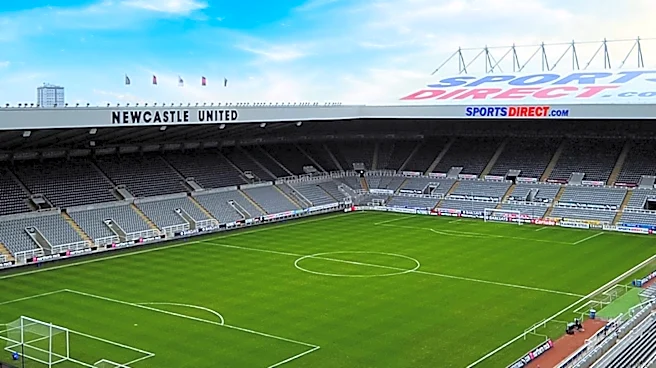
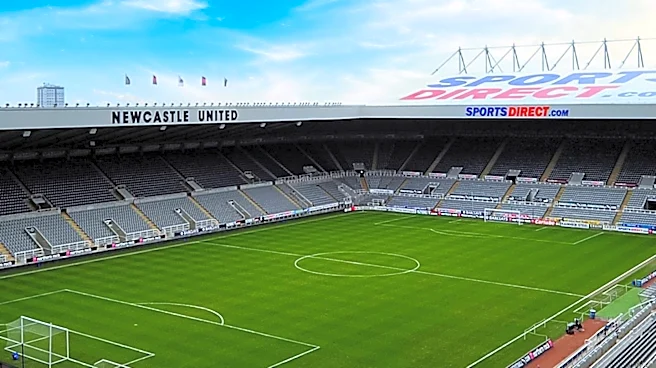
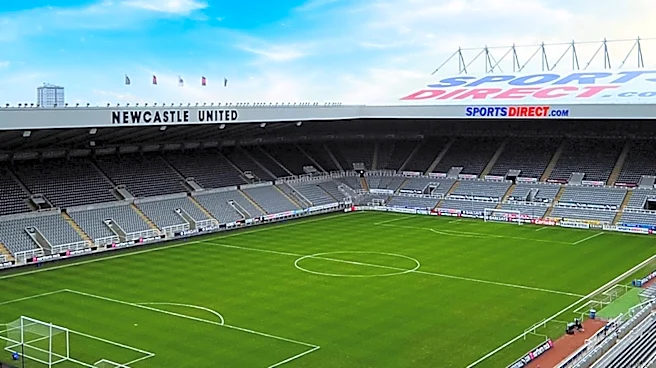
Saudi Arabia’s Public Investment Fund (PIF) has engaged JPMorgan to seek investors for a stake of up to 25% in Newcastle United Football Club. Reports from The Athletic and the Financial Times indicate that two U.S. private investment firms, Arctos Partners
and Sixth Street Partners, are in preliminary discussions regarding the potential acquisition. This move represents PIF's first confirmed step towards divesting a portion of its holdings in a major Western asset. The transaction is structured as a new issuance of shares by Newcastle United, meaning the proceeds would directly benefit the club for infrastructure projects rather than going to PIF's treasury. PIF currently holds approximately 85% of Newcastle United, and this sale would dilute its ownership percentage while maintaining majority control. The decision to seek outside investment comes as PIF faces increased domestic capital demands, partly due to a wartime economy and a strategic shift to cap international investments at 20% of its assets under management, a ceiling already reached by the end of 2025.
Why It's Important?
This development is significant for several reasons. For Newcastle United, securing external investment could provide crucial funding for ambitious infrastructure projects, including a new training complex at Woolsington Hall and potential stadium expansion or a new build. These projects are estimated to cost hundreds of millions of pounds, and external capital would alleviate the financial burden on PIF. For PIF, this move signals a strategic recalibration of its investment priorities, shifting focus towards domestic projects in Saudi Arabia. The involvement of U.S. investment firms like Arctos Partners and Sixth Street Partners highlights the continued interest of American capital in European sports franchises, particularly in the lucrative Premier League. This transaction could set a precedent for how sovereign wealth funds manage their international sports portfolios, especially when faced with evolving domestic economic and geopolitical landscapes. It also underscores the increasing valuation of Premier League clubs, with Newcastle United's internal valuation reportedly reaching £2 billion.
What's Next?
The immediate next steps involve continued negotiations between JPMorgan, PIF, and potential investors like Arctos Partners and Sixth Street Partners. Any deal involving more than a 5% stake in a Premier League club will require approval from the league itself, which conducts an Owners’ and Directors’ Test to scrutinize the financial integrity and legal standing of incoming shareholders. This approval process typically takes several months. If a deal is finalized, the proceeds will be directed towards Newcastle United's planned infrastructure developments, including the new training complex and decisions regarding the stadium. The Reuben family, who hold approximately 15% of the club, have not yet indicated whether they will participate in the new share issuance. The outcome of these talks will determine the extent of dilution for existing shareholders and the financial capacity of Newcastle United to execute its long-term development plans.
Beyond the Headlines
This move by PIF extends beyond a simple financial transaction; it reflects broader shifts in global investment strategies and geopolitical pressures. The decision to cap international investments and redirect capital domestically suggests a strategic pivot by Saudi Arabia to prioritize its Vision 2030 economic transformation and address increased defense spending. This could lead to similar divestments or capital-raising efforts for other overseas assets held by PIF. The involvement of U.S. private equity firms in European football also highlights the growing financialization of sports, where clubs are increasingly viewed as valuable assets for investment rather than solely sporting entities. Furthermore, any new investor in Newcastle United will inherit the ongoing scrutiny from human rights organizations regarding Saudi Arabia's ownership, adding a layer of ethical and reputational considerations to the financial investment. This transaction could influence how other sovereign wealth funds approach their sports investments, potentially leading to more diversified ownership structures in major sports leagues.