









What's Happening?
The global Glass Fiber Masterbatches market is projected to experience significant growth, with a compound annual growth rate (CAGR) of 5.5% from 2026 to 2035. This expansion is largely driven by the increasing use of glass fiber-reinforced compounds
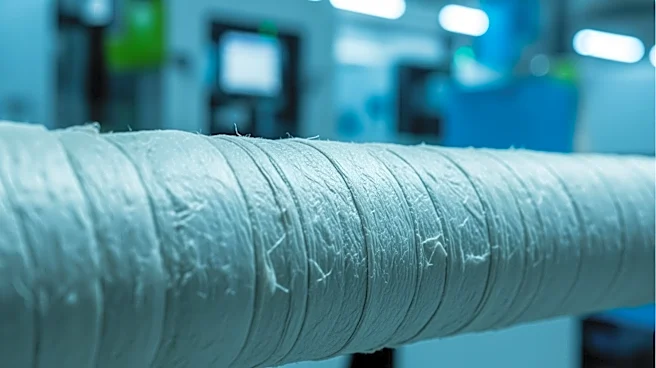
in electronics, automotive lightweighting, and electrical infrastructure. Glass fiber masterbatches, which are concentrated mixtures of glass fibers in thermoplastic carriers, are essential for achieving consistent fiber dispersion and enhanced mechanical properties in various applications. The market is predominantly B2B, serving original equipment manufacturers (OEMs), tier-1 suppliers, and compounders across multiple industries. In 2026, global consumption is estimated at approximately 450,000 metric tonnes, with Asia-Pacific accounting for 60% of the volume, led by China. Key trends include a shift toward short-fiber masterbatches for electronic enclosures and rising demand for halogen-free grades.
Why It's Important?
The growth of the Glass Fiber Masterbatches market is significant for several industries, particularly electronics and automotive, which are major consumers of these materials. The electronics sector, driven by miniaturization and the expansion of 5G infrastructure, is expected to account for 42% of the demand. The automotive sector, representing 25% of demand, will benefit from lightweighting initiatives and the shift to electric vehicles, which require high-strength components. This market expansion supports technological advancements and regulatory compliance, such as fire safety standards, which are crucial for product safety and performance. The market's growth also reflects broader industrial trends, including the push for sustainable and high-performance materials.
What's Next?
The Glass Fiber Masterbatches market is expected to continue its growth trajectory, with significant opportunities in emerging economies and sectors like electric vehicles and 5G infrastructure. Manufacturers and suppliers will likely focus on innovation to meet the demand for advanced materials that comply with stringent safety and performance standards. However, challenges such as raw material price volatility and lengthy supplier qualification cycles may impact market dynamics. Stakeholders will need to navigate these challenges while capitalizing on growth opportunities in high-demand regions and sectors.