

What's Happening?
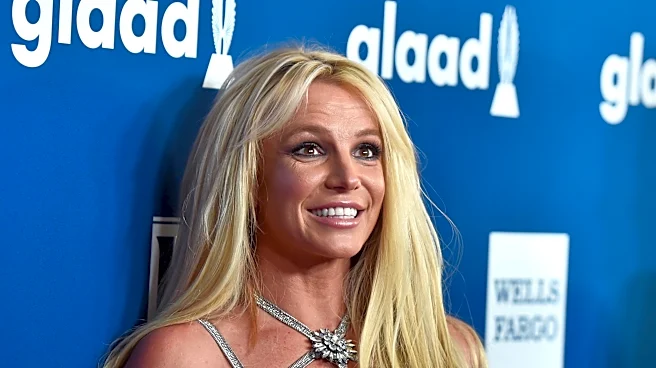
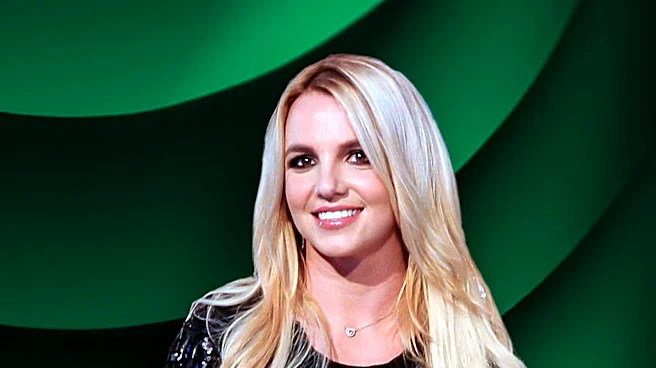
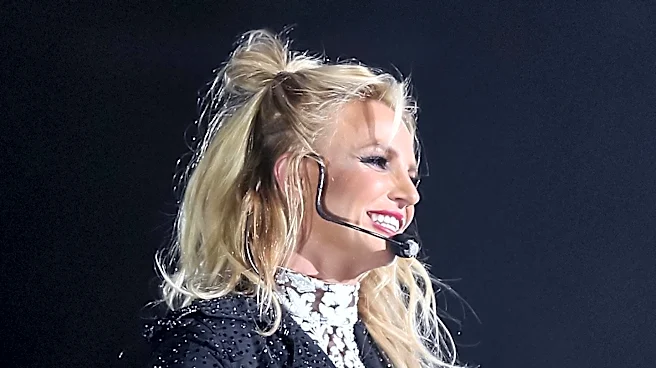
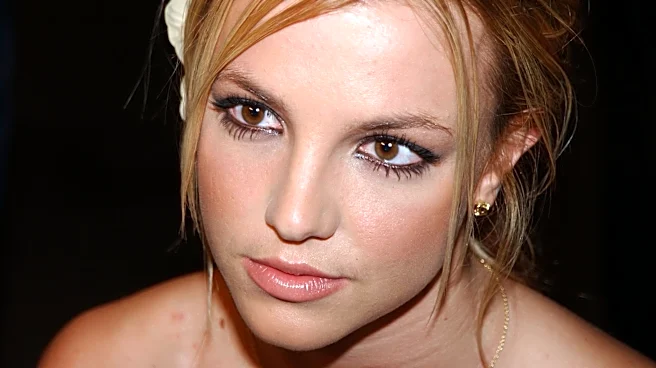
Britney Spears recently disclosed on Instagram that past romantic partners repeatedly suggested she undergo surgery and hair implants to alter her forehead. In a video posted on November 21, Spears playfully acknowledged her "really big forehead" and then
shared that "Every guy I've ever dated has told me to get surgery and put hair implants so my forehead isn't so big… Why are men such d-ck heads?" She later added that she was "just talking nonsense." This revelation highlights a long-standing insecurity for the pop star, who has previously spoken about using bangs as a form of "protection" due to feeling self-conscious about her forehead since childhood. Spears has been under public scrutiny since she was 11, with constant commentary on her physical appearance from both the media and individuals in her life.
Why It's Important?
This disclosure by Britney Spears is significant as it sheds light on the pervasive pressures women, particularly those in the public eye, face regarding their physical appearance. It underscores how personal insecurities can be exacerbated by external demands, even from intimate partners. Spears's experience reflects a broader societal issue where women are often subjected to unsolicited advice and pressure to conform to specific beauty standards, sometimes leading to cosmetic interventions. Her public statement can empower others to challenge such pressures and embrace their natural features. Furthermore, it highlights the often-unseen emotional toll that constant public and private scrutiny can have on individuals, especially those who grew up in the spotlight.
What's Next?
While Spears stated she was "just talking nonsense" after her initial comments, her public sharing of these experiences may encourage further dialogue about beauty standards and the impact of unsolicited advice on women's self-esteem. It could also prompt more public figures to share similar experiences, fostering a greater sense of solidarity and challenging the norms that perpetuate such pressures. For Spears herself, this continues her journey of openly discussing her past struggles and insecurities, a theme present in her recent memoir. Her ongoing candidness on social media suggests a continued effort to reclaim her narrative and promote self-acceptance.
Beyond the Headlines
Spears's revelation extends beyond a simple celebrity anecdote, touching upon deeper societal issues concerning body image, gender dynamics, and the objectification of women. The expectation for women to alter their appearance to meet perceived ideals, even within personal relationships, reflects a broader cultural narrative that often prioritizes external validation over self-acceptance. Her past act of shaving her head, which she described as a "[expletive] you" to those dictating her beauty standards, further illustrates her long-standing struggle against these pressures. This ongoing narrative from Spears contributes to a larger conversation about autonomy over one's body and the psychological impact of growing up under intense public scrutiny, where one's physical appearance is constantly critiqued and judged.