




What's Happening?
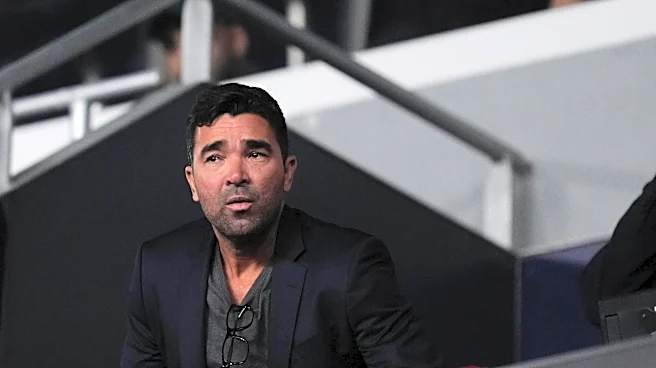
FC Barcelona's sporting director, Deco, has publicly expressed regret over the club's failure to sign winger Luis Díaz, who ultimately joined Bayern Munich. When asked by Catalunya Ràdio about the signing he most regrets not completing, Deco directly
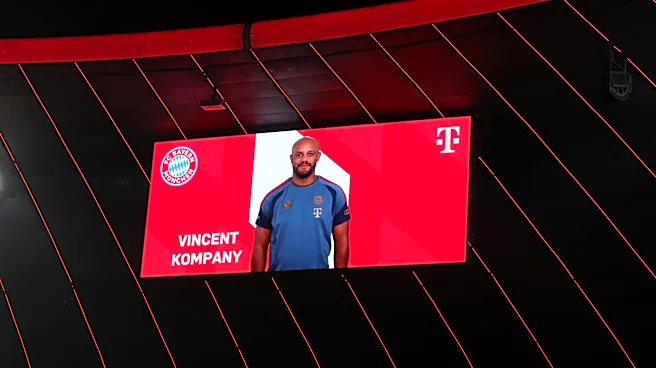
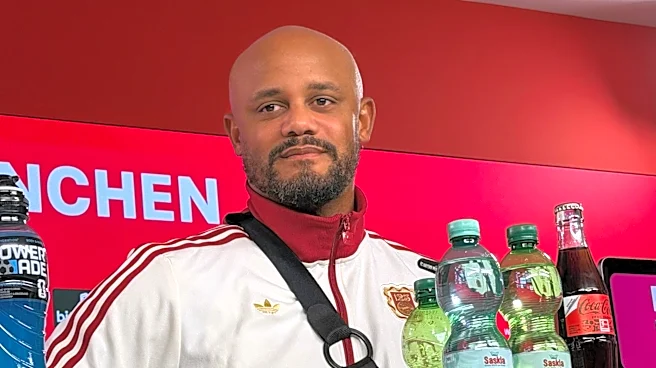
named Díaz. This admission highlights a significant missed opportunity for FC Barcelona, especially given Díaz's current impact at Bayern Munich, where he is described as 'terrorizing opposing defenses' and providing a 'dangerous attacking option' for manager Vincent Kompany. The situation is particularly uncomfortable for Barcelona, as they now observe a player they coveted strengthening a direct European rival.
Why It's Important?
This revelation from Deco underscores the intense competition and strategic importance of player transfers in top-tier European football. Missing out on a player of Luis Díaz's caliber can have significant repercussions, both on the field and in terms of club prestige. For FC Barcelona, it means a rival has gained a valuable asset that could have bolstered their own squad, potentially impacting their competitive standing in domestic and international competitions. For Bayern Munich, securing Díaz represents a strategic victory, enhancing their attacking options and demonstrating their ability to attract top talent, even when competing with other European giants. This transfer saga highlights how individual player acquisitions can shift the balance of power between leading clubs.
What's Next?
FC Barcelona will likely continue to face questions regarding their transfer strategy and the players they fail to secure. Deco's public regret might put additional pressure on the club to be more decisive and effective in future transfer windows to avoid similar situations. Meanwhile, Luis Díaz will continue to be a key player for Bayern Munich, contributing to their offensive prowess and potentially deepening Barcelona's regret with every successful performance. This situation could also influence future transfer market dynamics, as clubs become more aggressive in pursuing their top targets to prevent them from joining rivals.
Beyond the Headlines
The regret expressed by Deco goes beyond a simple missed transfer; it touches upon the psychological and strategic warfare inherent in elite football. The 'one that got away' narrative can linger, affecting morale and public perception. It also highlights the complex decision-making processes within football clubs, where financial constraints, player preferences, and competitive bids all play a role. The fact that Bayern Munich benefited from Barcelona's missed opportunity serves as a stark reminder that transfer market success is not just about acquiring players, but also about preventing rivals from doing so. This dynamic adds another layer of intensity to the already high-stakes world of professional football.