





What's Happening?
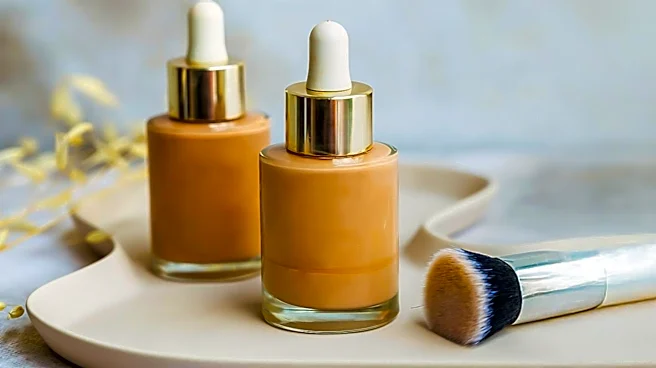
The beauty and cosmetics industry is undergoing a significant digital transformation, with a growing emphasis on AI-driven personalization for beauty discovery and recommendations. This shift is particularly catering to 'maximalist optimizers' who seek
highly tailored wellness solutions. Key innovations include facial analysis and shade-matching applications, which require robust technical SEO integration to ensure visibility. The industry is also seeing a convergence of beauty and wellness categories, focusing on holistic health and functional beauty. This trend is further supported by the need to anticipate conversational contexts and multimodal inputs for personalized recommendations, reflecting a broader move towards more sophisticated and individualized consumer experiences in the beauty sector. The global beauty market, exceeding $500 billion, is experiencing rapid online sales growth, making digital strategies, including advanced SEO, crucial for brands to capture consumer attention and drive sales.
Why It's Important?
This integration of AI and personalized wellness is critical for the U.S. beauty and cosmetics industry as it directly impacts market competitiveness and consumer engagement. Brands that successfully implement AI-driven personalization can significantly enhance customer satisfaction and loyalty by offering products and routines precisely matched to individual needs. This approach also creates new opportunities for tech companies specializing in AI and SEO, fostering innovation and investment in beauty tech. Conversely, traditional brands that fail to adapt to these technological advancements risk losing market share to more agile, digitally-native competitors. The emphasis on holistic health and wellness also reflects a changing consumer mindset, where beauty is increasingly viewed as an extension of overall well-being, influencing product development and marketing strategies across the industry. The ability to leverage data for personalized recommendations will be a key differentiator in a crowded market.
What's Next?
Looking ahead, the beauty industry will likely see continued acceleration in the development and adoption of AI-powered personalization tools. This includes more sophisticated virtual try-on experiences, AI-driven skincare diagnostics, and personalized product formulation. Brands will invest further in technical SEO to ensure these innovative tools are discoverable by consumers. There will also be an increased focus on integrating these technologies with social commerce platforms like Instagram and TikTok, where beauty discovery is highly visual and trend-driven. Expect to see more brands leveraging user-generated content and influencer partnerships to amplify personalized recommendations and build community engagement. Regulatory bodies may also begin to address data privacy concerns related to the collection and use of personal biometric and health data for beauty personalization, potentially leading to new guidelines and standards for the industry.
Beyond the Headlines
Beyond the immediate commercial implications, the rise of AI-driven personalized wellness in beauty raises deeper questions about consumer identity and the future of beauty standards. As algorithms become more adept at recommending 'optimal' beauty solutions, there's a potential for both empowerment and conformity. Consumers may feel more understood and catered to, but there's also a risk of algorithmic bias reinforcing narrow beauty ideals or creating new forms of consumer anxiety around 'imperfections.' The ethical implications of collecting and utilizing highly personal data, such as facial scans and skin analyses, will become increasingly prominent. Furthermore, the convergence of beauty and wellness could lead to a more holistic, yet potentially more commodified, approach to self-care, where every aspect of an individual's well-being is subject to algorithmic optimization and product recommendation.