


What's Happening?
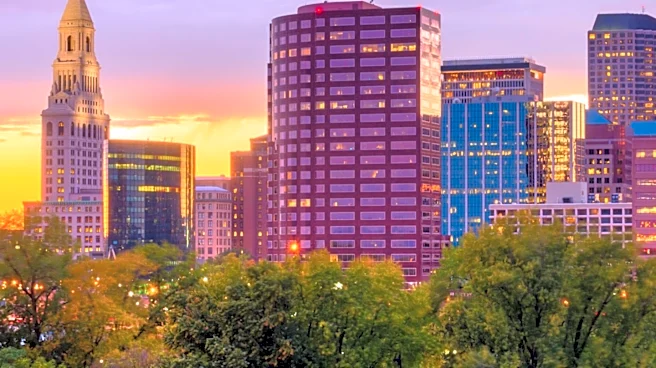
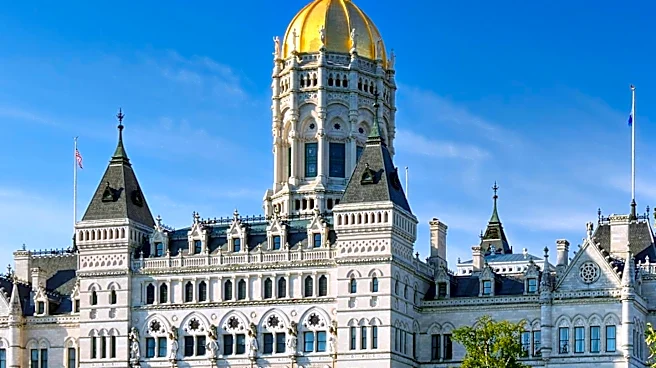
The office market in Hartford, Connecticut, is experiencing a significant decline in demand, with only approximately 40% of downtown office space currently occupied. This structural shift, observed since 2020, is largely attributed to the widespread adoption
of hybrid work models, corporate downsizing, mergers, and evolving business strategies. In response to this challenge, the city of Hartford is actively exploring strategies to convert underused office properties into residential apartments. This initiative aims to address the dwindling office occupancy rates and repurpose vacant commercial spaces for alternative uses. The trend in Hartford contrasts with some international markets, such as Poland's regional office markets, which have seen increased occupier activity and declining vacancy rates, and Hanoi, where office rents have shown modest growth. However, Dubai's office rents have fallen for the third consecutive quarter, indicating varied global responses to office market dynamics.
Why It's Important?
The proposed conversion of office buildings to apartments in Hartford holds significant importance for urban planning, economic revitalization, and housing availability in the U.S. This strategy could breathe new life into struggling downtown areas by increasing residential populations, which in turn can stimulate local businesses and services. For property owners, it offers a potential solution to monetize underperforming assets and adapt to changing market demands. However, such conversions are complex, involving substantial renovation costs, zoning adjustments, and potential challenges in attracting developers. The success of this approach in Hartford could serve as a model for other U.S. cities facing similar issues of declining office demand and the need for affordable housing. Conversely, failure could highlight the difficulties in repurposing large commercial structures, impacting investor confidence in urban redevelopment projects.
What's Next?
Hartford is expected to continue evaluating specific office properties for their suitability for residential conversion, a process that will involve detailed feasibility studies, financial modeling, and discussions with developers and urban planners. The city will likely need to establish incentives, such as tax abatements or grants, to encourage property owners and developers to undertake these costly and complex projects. Regulatory frameworks, including zoning ordinances and building codes, will also need to be reviewed and potentially amended to facilitate these conversions. The outcome of these efforts will be closely watched by other U.S. cities grappling with high office vacancies and housing shortages, as successful implementation in Hartford could pave the way for similar initiatives nationwide. The long-term impact will depend on the city's ability to attract residents to these new downtown apartments and create a vibrant mixed-use environment.
Beyond the Headlines
The shift from traditional office spaces to residential units in Hartford reflects a broader societal and economic transformation driven by technological advancements and evolving work cultures. The rise of remote and hybrid work models has fundamentally altered the demand for commercial real estate, prompting a reevaluation of urban centers' purpose. This trend raises deeper questions about the future of downtown areas, the balance between commercial and residential development, and the sustainability of urban ecosystems. It also highlights the need for cities to be agile and adaptable in their planning to remain economically viable and socially vibrant. The ethical implications include ensuring that new housing created through these conversions is accessible and affordable, preventing gentrification, and maintaining a diverse urban fabric. Legally, property rights and zoning laws will be tested, potentially leading to new precedents in urban development.