


What's Happening?
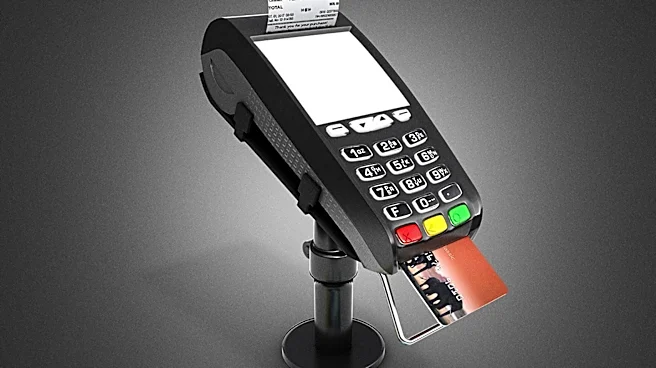
Modern Point-of-Sale (POS) systems are transforming how independent retailers operate, enabling them to compete more effectively with larger chains. These advanced systems integrate sales, inventory, customer data, and reporting into a unified platform,
providing business owners with a real-time overview of their operations. This integration allows for better decision-making, such as identifying peak sales hours, comparing in-store and online performance, and understanding product co-purchases. Key features include retail Customer Relationship Management (CRM) tools that leverage purchase history and customer behavior to deliver personalized marketing, moving beyond generic promotions. Automated inventory management is another critical component, syncing stock records across physical and online channels to prevent oversells and reduce manual errors. Successful implementation of these technologies prioritizes clean data, thorough staff training, and phased rollouts, rather than simply accumulating features.
Why It's Important?
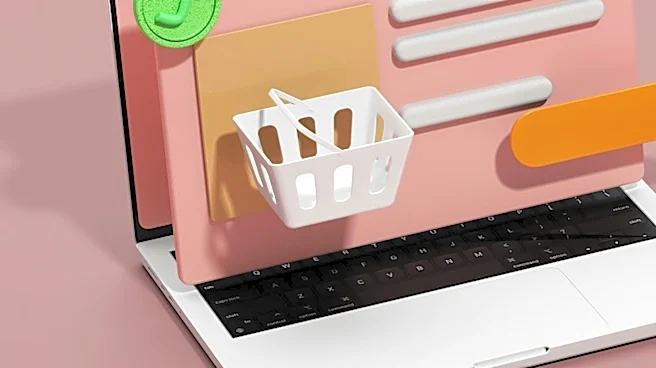
The adoption of modern POS systems is crucial for the survival and growth of independent retailers in the U.S. economy. These systems level the playing field, allowing smaller businesses to offer sophisticated customer experiences and operational efficiencies previously exclusive to larger corporations. By integrating data, independent retailers can gain deeper insights into their customer base and inventory, leading to more targeted marketing efforts and reduced waste. This can translate into increased profitability and customer loyalty, strengthening local economies and preserving diverse retail landscapes. Without these technological advancements, independent retailers risk being outmaneuvered by larger competitors with greater resources, potentially leading to business closures and reduced consumer choice. The ability to unify POS with e-commerce, as highlighted by Shopify case studies, significantly reduces friction for customers and boosts repeat purchases, which is vital for sustained success.
What's Next?
Independent retailers are expected to continue investing in integrated technology solutions, with a focus on strategic implementation. The trend suggests a phased approach, starting with a robust POS system, then integrating inventory management, and subsequently adding CRM and automation tools once data reliability is established. Ongoing staff training will be critical to ensure effective utilization of these systems. Retailers will increasingly measure key performance indicators such as queue times, stock accuracy, repeat purchases, and operating costs to gauge the success of their technology rollouts. The emphasis will remain on systems that simplify the buying process for customers and accelerate decision-making for owners. As technology evolves, further advancements in AI-driven analytics and personalized customer engagement are likely to become standard, pushing independent retailers to continuously adapt and upgrade their digital infrastructure.
Beyond the Headlines
The shift towards integrated POS systems for independent retailers has broader implications for the retail industry and consumer experience. It signifies a move towards a more data-driven and personalized retail environment, where every customer interaction can be tailored. This trend challenges the traditional brick-and-mortar model, forcing a convergence of online and offline shopping experiences. Ethically, the use of CRM tools raises questions about data privacy and how customer information is collected and utilized, requiring retailers to be transparent and responsible. Culturally, the success of independent retailers supported by these technologies can foster a sense of community and local identity, counteracting the homogenization often associated with large chains. Long-term, this technological adoption could lead to a more resilient and diverse retail sector, capable of adapting to rapid market changes and consumer demands, ultimately enriching the overall shopping landscape.