





What's Happening?
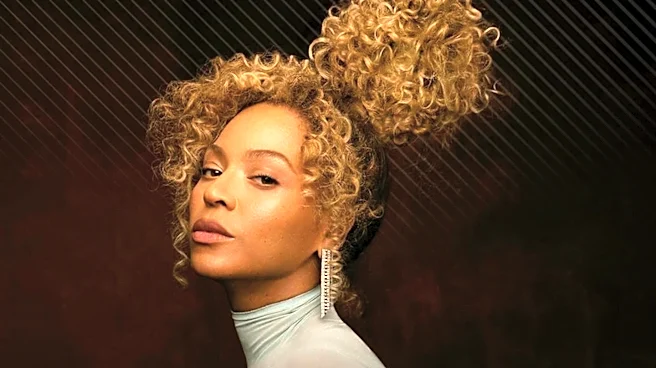
Beyoncé's influence has significantly impacted the fashion and entertainment industries by promoting body positivity and self-acceptance. Her unapologetic celebration of her curvaceous physique has inspired a movement, challenging traditional beauty standards
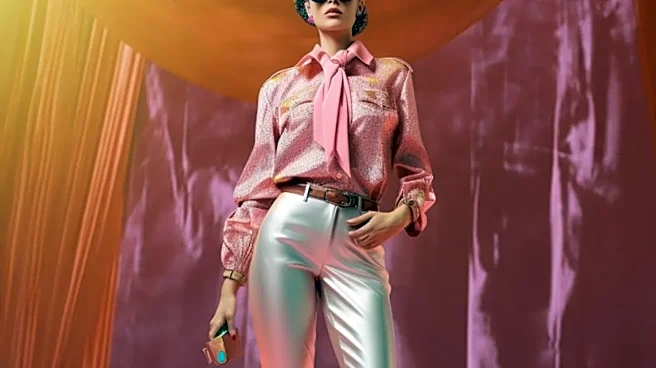
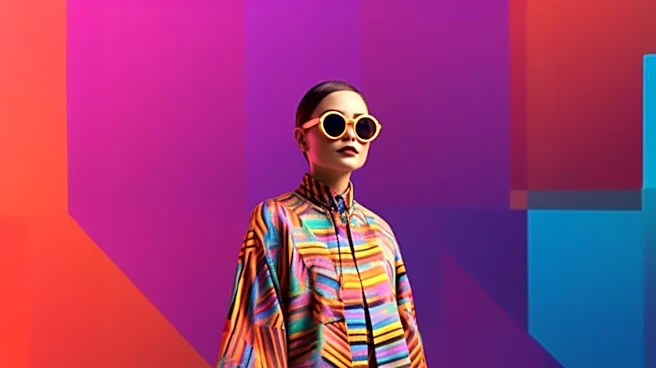
that often favored waif-like models. Through her music, performances, and public persona, Beyoncé has redefined what it means to be beautiful, encouraging millions of women to embrace their bodies. This movement has led to increased inclusivity and diversity in the fashion industry, with designers showcasing models of various shapes and sizes. Additionally, there's been a rise in representation for women with disabilities, women of color, and individuals from diverse backgrounds in media and popular culture. Dr. Daphne Muse, a body image expert, notes that Beyoncé's message resonates deeply, showing that worth is tied to inner strength, not physical appearance. The body positivity movement, while decades old, gained significant momentum with Beyoncé's contributions, particularly with her 2013 music video 'Pretty Hurts,' which critiqued the beauty industry by featuring diverse body types.
Why It's Important?
Beyoncé's body positivity movement holds significant importance for U.S. society and industries by fostering a more inclusive and diverse understanding of beauty. This shift challenges long-standing, often unattainable, beauty standards perpetuated by media and fashion, which have historically contributed to negative body image issues among women. The movement's impact on the fashion industry is particularly notable, as it encourages brands to adopt more inclusive marketing campaigns and feature diverse models, potentially broadening their consumer base and promoting healthier body perceptions. For individuals, especially young women, Beyoncé's message promotes self-acceptance and self-love, which can lead to improved mental health and reduced pressure to conform to narrow beauty ideals. The commercialization of body positivity, however, presents a dual-edged sword; while it brings the message to a wider audience, critics like Dr. Muse caution against diluting the movement's core message of self-acceptance for profit. This ongoing tension highlights the challenge of balancing genuine social advocacy with commercial interests within the U.S. market.
What's Next?
The body positivity movement, significantly propelled by figures like Beyoncé, is expected to continue influencing the fashion and entertainment industries, pushing for even greater inclusivity. We may see more designers and brands adopting diverse representation in their campaigns and on runways, moving beyond tokenism towards genuine integration. Social media platforms are likely to remain crucial hubs for body positivity activists and influencers, providing spaces for individuals to share their stories and build communities around self-acceptance. However, the debate surrounding the commercialization of body positivity will likely intensify, with consumers and advocates scrutinizing brands to ensure their efforts are authentic and not merely profit-driven. The ongoing societal pressures regarding women's bodies, potentially exacerbated by trends like the rise of weight-loss medications, will continue to challenge the movement, requiring sustained advocacy to reinforce its core message of self-love and acceptance over external pressures. The long-term goal will be to embed these inclusive values deeply within cultural norms, making diverse representation and body acceptance the standard rather than the exception.
Beyond the Headlines
Beyond the immediate shifts in fashion and media representation, Beyoncé's body positivity movement touches upon deeper ethical and cultural dimensions within U.S. society. Ethically, it challenges the historical objectification and narrow idealization of women's bodies, advocating for a more holistic view of human worth that transcends physical appearance. Culturally, it contributes to a broader re-evaluation of beauty standards, moving away from Eurocentric and thin-centric ideals towards a celebration of diverse body types, ethnicities, and abilities. This shift has implications for mental health, particularly among young people, by fostering environments where self-esteem is less tied to external validation and more to internal acceptance. The movement also highlights the power of celebrity influence in driving social change, demonstrating how public figures can leverage their platforms to advocate for important societal values. The ongoing tension between genuine advocacy and commercial exploitation within the 'business of body positivity' also raises questions about corporate responsibility and the authenticity of marketing efforts, prompting consumers to be more discerning about the messages they consume and support.