



What's Happening?
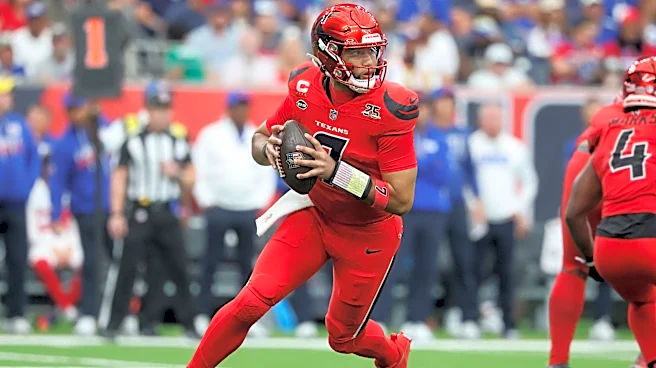
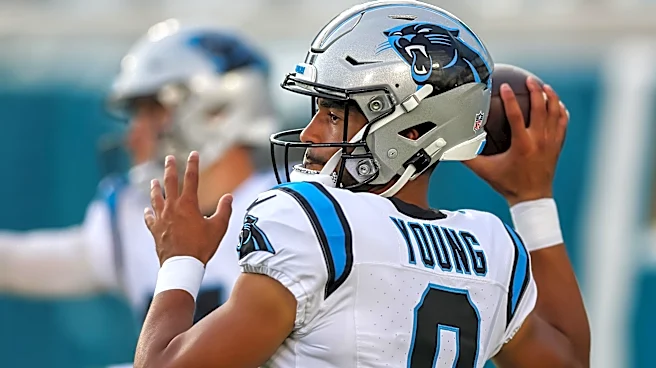
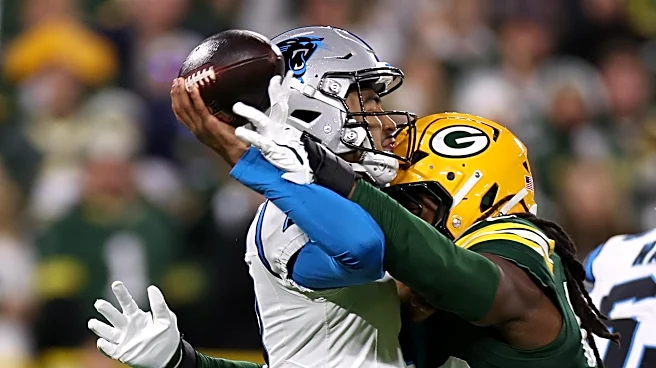
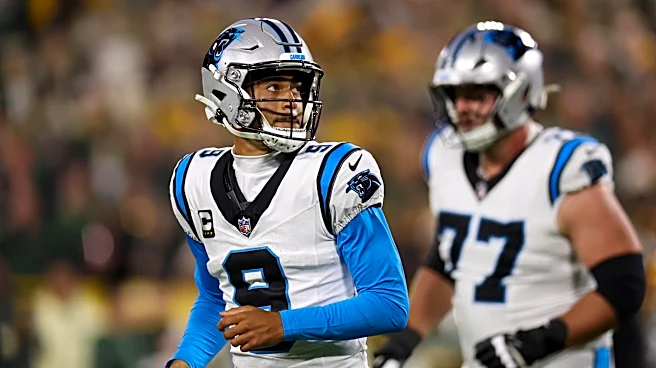
Sports media personality Colin Cowherd of FS1 recently made a comparison between Houston Texans quarterback C.J. Stroud and Carolina Panthers quarterback Bryce Young, both from the 2023 NFL Draft class. Cowherd stated, “There's two levels of franchise
quarterbacks… I'd absolutely pay C.J. Stroud whatever I had to. I would struggle to pay Bryce Young what he wants.” This commentary highlights the differing perceptions of the two young quarterbacks' long-term potential in the NFL. Stroud has delivered strong performances for the Texans, despite the team's overall record being below .500 due to defensive and running game struggles. Conversely, Young, after a promising start, has experienced inconsistencies, leading to questions about his future as a franchise quarterback. Both players were selected as the first and second overall picks in the 2023 NFL Draft, respectively, and have shown flashes of potential alongside periods of inconsistency in their early careers. The Texans are preparing for an upcoming game against the Los Angeles Chargers.
Why It's Important?
This comparison by a prominent sports analyst like Colin Cowherd is significant because it shapes public and potentially professional opinion regarding the future value and contract negotiations for these young quarterbacks. For C.J. Stroud, Cowherd's endorsement as a 'franchise quarterback' could bolster his leverage in future contract discussions with the Houston Texans, signaling that he is viewed as a cornerstone player worth a substantial investment. This perception can influence team strategy, including draft priorities and free agency decisions, as the Texans aim to build a competitive roster around him. For Bryce Young, Cowherd's skepticism about paying him a high salary could put pressure on the Carolina Panthers. It might lead to increased scrutiny of his performance and potentially impact the team's long-term commitment or the terms of any future contract extension. The differing evaluations highlight the high stakes involved in quarterback development and the financial implications for NFL franchises, where securing a top-tier quarterback is often seen as the most critical step toward sustained success.
What's Next?
The ongoing performances of C.J. Stroud and Bryce Young will continue to be closely monitored, especially in light of Colin Cowherd's recent comments. Stroud and the Texans are scheduled to play against the Los Angeles Chargers, offering another opportunity for him to solidify his standing. For Young and the Panthers, consistent improvement will be crucial to counter the growing skepticism and demonstrate his long-term viability as a franchise quarterback. The contract situations for both players will become a more pressing issue as their rookie deals progress, with their on-field production directly influencing their market value. Future evaluations from analysts and team executives will likely reference their continued development, or lack thereof, in comparison to their draft peers. The debate over their potential will persist, with each game providing new data points for assessment.
Beyond the Headlines
The debate surrounding C.J. Stroud and Bryce Young extends beyond their individual performances to reflect broader trends in NFL quarterback evaluation and team building. The immediate pressure on high draft picks, particularly quarterbacks, to perform at an elite level is immense, and their early careers are often scrutinized through the lens of their draft position. This situation underscores the challenge NFL teams face in identifying and developing franchise quarterbacks, a process that involves not only raw talent but also the supporting cast, coaching, and scheme fit. The differing trajectories of Stroud and Young, despite being drafted consecutively, illustrate that draft capital does not guarantee equal success or development. This dynamic influences how teams approach future drafts, potentially leading to more cautious or aggressive strategies depending on their past experiences with highly touted prospects. The financial implications are also significant, as long-term contracts for quarterbacks can either stabilize a franchise for years or become a substantial burden if the player does not live up to expectations.