




What's Happening?
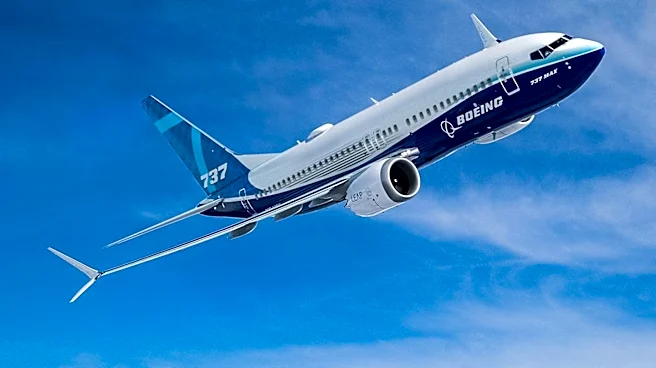
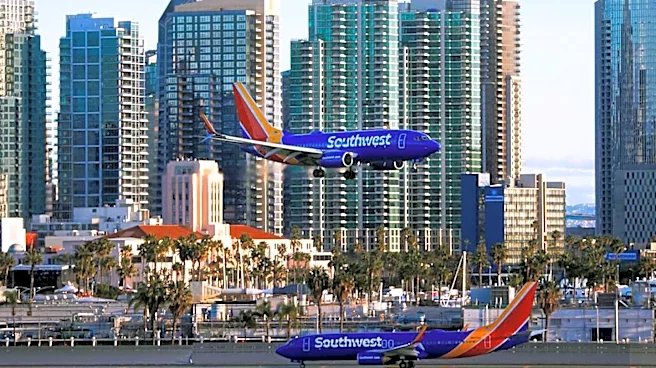
Southwest Airlines is set to significantly impact the used aircraft market as it plans to retire over 450 Boeing 737 Next Generation (NG) aircraft in the coming years. With Boeing resuming regular deliveries, Southwest is able to phase out older models,
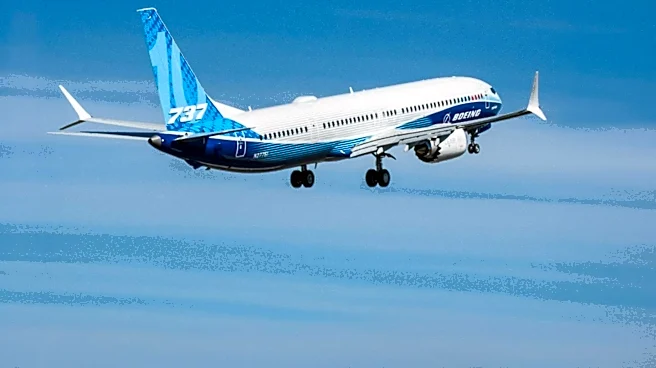
replacing them with newer 737 MAX 8s. The airline's strategy involves selling or retiring older aircraft, which will provide a supply of used serviceable material (USM) that has been scarce due to previous delivery delays. This move is expected to benefit the market for midlife aircraft and engines, particularly the CFM56 engines, which are in high demand.
Why It's Important?
Southwest's decision to retire a large number of aircraft will have a ripple effect on the aviation industry, particularly in the used aircraft and parts market. The influx of retired aircraft will provide much-needed USM, helping to alleviate shortages and reduce costs for airlines seeking to maintain older fleets. This strategy also reflects a broader industry trend towards fleet modernization, driven by the need for more fuel-efficient and environmentally friendly aircraft. The availability of used parts can support smaller airlines and maintenance organizations, contributing to overall industry sustainability and cost-effectiveness.
What's Next?
As Southwest continues to retire older aircraft, the used aircraft market is likely to see increased activity. Other airlines may follow suit, accelerating their own fleet renewal plans to take advantage of the availability of USM. The market dynamics could lead to more competitive pricing for used parts and aircraft, benefiting airlines looking to optimize their operations. Additionally, the focus on sustainability and efficiency may drive further innovation in aircraft design and maintenance practices. Stakeholders will be closely monitoring the impact of these changes on the aviation industry's economic and environmental landscape.