


What's Happening?
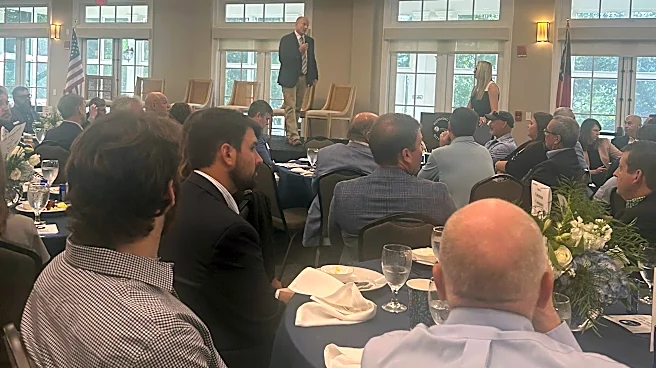
Todd Fenton and Nick Posavetz, Vice Presidents with Plante Moran Realpoint, the commercial real estate advisory practice of Plante Moran, recently discussed the intricacies of successful public-private partnerships (P3s) in economic development. Speaking
on Ann Arbor SPARK’s CEO Podcasts, they highlighted the importance of clear communication, strategic planning, and mutual understanding between public and private sectors. Both Fenton and Posavetz bring extensive experience from both sides of the table, with Fenton having over 15 years in economic development and municipal roles, including overseeing significant projects in Royal Oak, and Posavetz possessing over 15 years in commercial real estate and economic development. They emphasized that a successful P3 requires both parties to clearly articulate their goals and limitations, moving beyond just a piece of land to consider broader community objectives like housing, public space activation, tax base growth, or job creation. The discussion underscored that while P3s can yield transformative results, they demand patience and a thorough vetting process to ensure alignment and avoid potential pitfalls.
Why It's Important?
The insights from Plante Moran executives are crucial for U.S. communities and developers seeking to maximize economic growth and urban revitalization. Effective public-private partnerships can unlock the potential of underutilized public assets, leading to significant infrastructure improvements, job creation, and enhanced community amenities. For municipalities, understanding how to be a 'good partner' involves having updated master plans, supportive zoning frameworks, consistent messaging from elected officials, and the ability to make timely decisions. Conversely, developers benefit from communities that are transparent about their needs and policies, reducing project risks and fostering a predictable environment. The success of projects like the Royal Oak Civic Center, which transformed a 'sea of concrete' into a vibrant mixed-use area with a central park, demonstrates the tangible benefits of well-executed P3s. This approach can attract private investment, diversify local economies, and create sustainable public spaces, ultimately improving the quality of life for residents and boosting regional competitiveness.
What's Next?
Communities and developers are encouraged to adopt a more structured and patient approach to public-private partnerships. Plante Moran offers a P3 site readiness assessment tool to help evaluate a project's potential and identify necessary preparatory steps. Future successful P3s will likely involve extensive due diligence on site conditions, including environmental and historical assessments, to mitigate unforeseen costs and delays. Both public and private entities must prioritize clear, consistent communication and be prepared for the 'P4'—public-private partnership and patience—as these complex projects often span several years. The emphasis will be on developing comprehensive strategic plans with buy-in from all levels of government and engaging citizens early in the process to foster community support. This proactive and collaborative framework aims to ensure that development projects are not only financially viable but also align with broader community goals and contribute to long-term regional prosperity.
Beyond the Headlines
The discussion on public-private partnerships extends beyond immediate project outcomes to touch upon deeper societal and governance implications. The need for 'universal communicators' within city governments, capable of bridging the gap between various departments and private sector partners, highlights a critical administrative challenge. This role is essential for streamlining processes and preventing the 'Christmas tree situation' where new demands are continually added to a project, increasing costs and uncertainty. Furthermore, the executives noted the delicate balance between community engagement and potential 'community bullying,' where excessive or misdirected feedback can derail projects. This underscores the importance of structured and informed public participation that genuinely contributes to project design rather than merely obstructing it. The skepticism towards public officials and developers also necessitates independent validation of project benefits, emphasizing the role of trusted third-party advisors like Plante Moran in ensuring transparency and accountability in these large-scale endeavors. Ultimately, successful P3s require a cultural shift towards collaborative problem-solving and a recognition that complex urban development demands shared risk and reward.