
What's Happening?
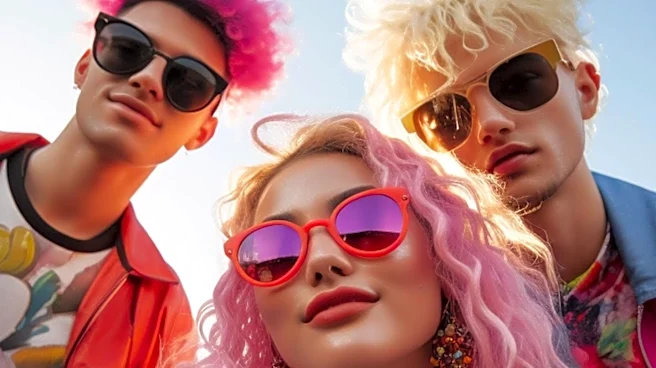
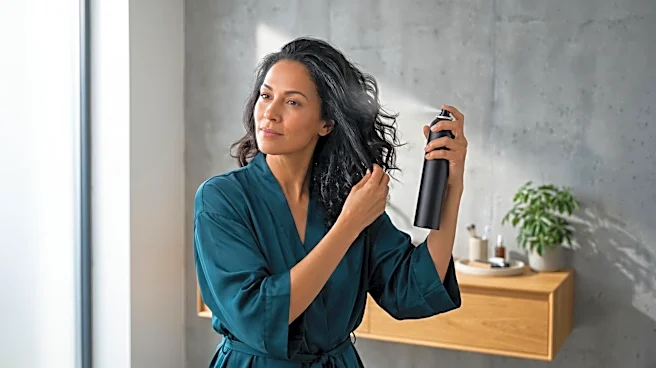
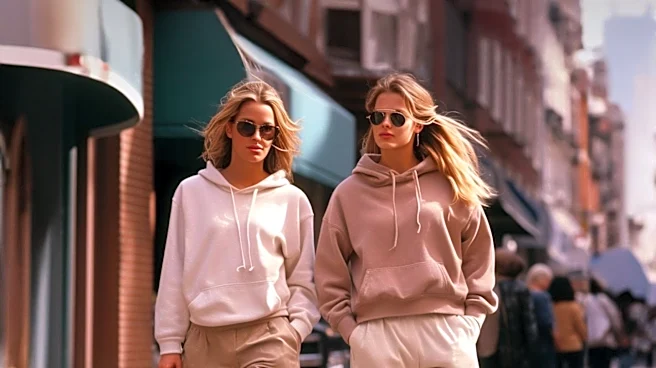
Gen Z is increasingly adopting a more relaxed and 'imperfect' approach to hair styling, making what were once considered 'bad hair days' fashionable. This trend involves embracing natural hair textures, including slept-in waves, fuzzy ponytails, frizz,
and flyaways. Instead of striving for perfectly polished blowouts or elaborate routines, young people are opting for lived-in, undone looks. For example, second-day hair with slightly less defined waves and more volume at the roots is being styled with accessories like claw clips and oversized sunglasses to create a new aesthetic. This shift is part of a broader movement towards effortless appearance, moving away from the extremes of glass hair or slicked-back buns that dominated previous beauty trends. Social media platforms are also contributing to this change, with a growing appetite for less rehearsed beauty content, where natural imperfections are seen as relatable and personal.
Why It's Important?
This shift in beauty standards among Gen Z reflects a broader cultural movement towards authenticity and practicality, impacting the beauty and fashion industries. The embrace of 'imperfect' hair challenges traditional notions of beauty, potentially reducing pressure on individuals to conform to time-consuming and often damaging styling routines. For the beauty industry, this could lead to a decreased demand for heat styling tools and products that promise absolute frizz control or perfect sleekness, while increasing interest in products that enhance natural texture or offer quick, effortless styling solutions. Economically, it may influence marketing strategies, with brands needing to pivot towards promoting natural beauty and ease of use rather than unattainable perfection. Socially, it fosters a more inclusive environment where diverse hair types and textures are celebrated, potentially boosting self-acceptance among younger generations and redefining what is considered 'put-together' in everyday life.
What's Next?
The trend of embracing 'bad hair days' is likely to continue evolving, with potential implications for product development and marketing within the beauty industry. We may see an increase in hair care lines focused on enhancing natural textures, promoting hair health over intensive styling, and offering quick-fix accessories. Influencers and social media will continue to play a crucial role in popularizing these looks, with more content showcasing authentic, less-than-perfect hair. This could also lead to a broader acceptance of diverse hair types in professional and formal settings, further blurring the lines between casual and polished appearances. As Gen Z's influence grows, other generations may also begin to adopt these more relaxed beauty standards, leading to a more widespread cultural shift in how hair is perceived and styled.
Beyond the Headlines
Beyond the immediate impact on beauty routines, this trend signifies a deeper cultural rejection of unattainable perfection and a move towards a more realistic and sustainable approach to personal presentation. It highlights a generational value placed on authenticity and ease, contrasting with previous eras that often prioritized highly curated and time-intensive beauty regimens. This shift can be seen as a form of quiet rebellion against the pressures of constant self-optimization, promoting a healthier relationship with one's appearance. Ethically, it encourages self-acceptance and reduces the mental and financial burden associated with maintaining 'perfect' hair. Culturally, it contributes to a broader redefinition of what it means to be presentable and stylish, emphasizing individuality and comfort over rigid beauty ideals, and potentially influencing other areas of lifestyle and consumption.