




What's Happening?
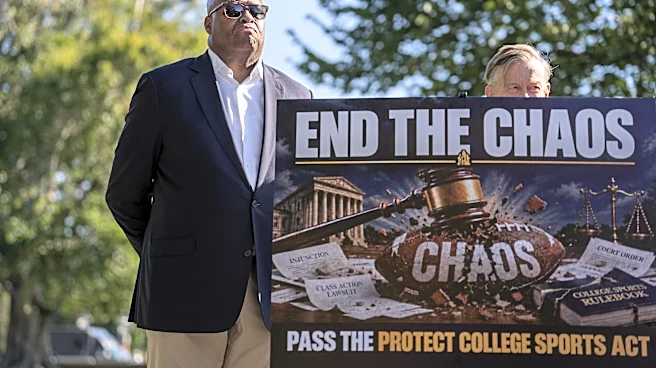
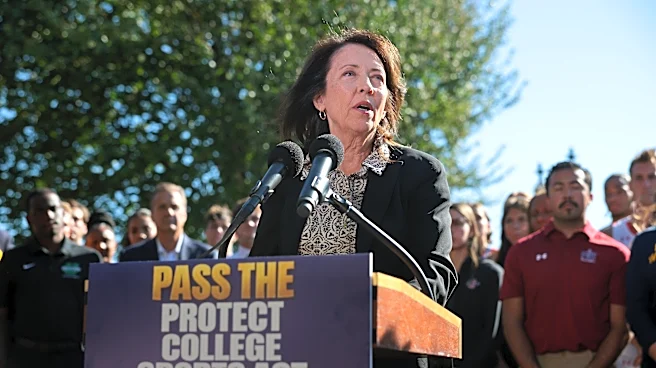
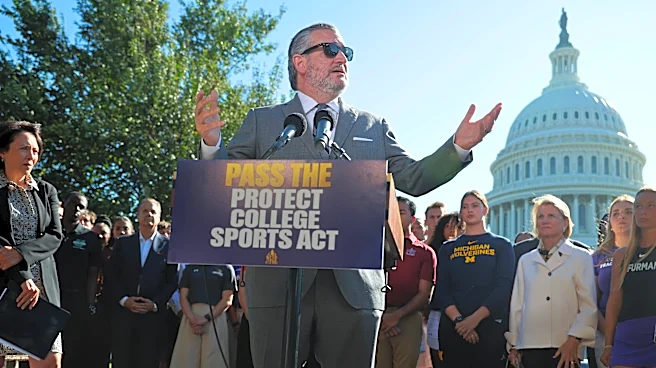
The U.S. Senate has passed the Protect College Sports Act, a bipartisan bill aimed at establishing nationwide rules for college athletics, including student-athlete compensation, transfers, and eligibility. This legislation, passed by a 77-22 vote on September
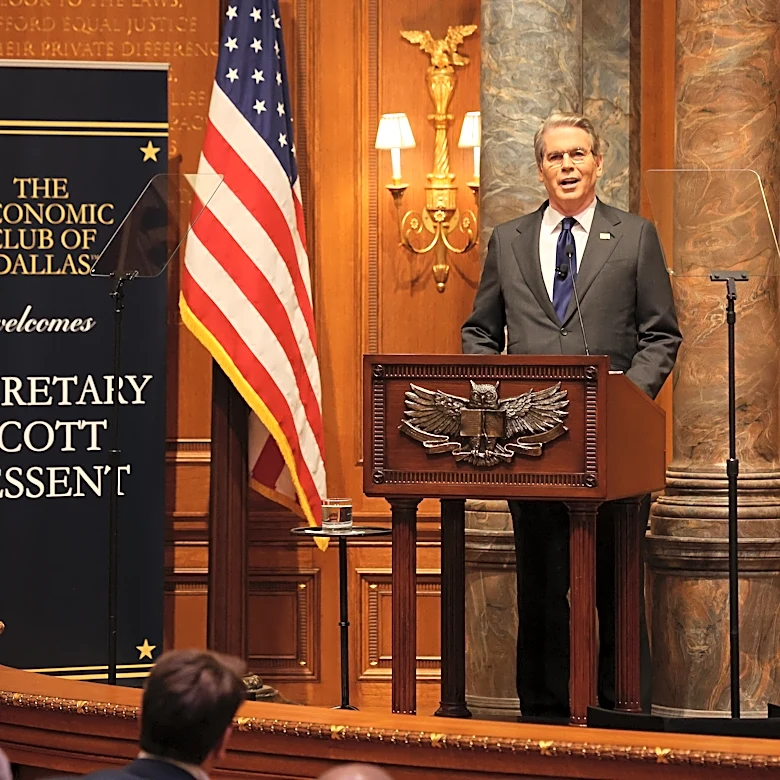
28, seeks to replace the current fragmented system of state laws and NCAA regulations with a single federal standard. The bill's authors include Senators Ted Cruz (R-Texas), Maria Cantwell (D-Wash.), Eric Schmitt (R-Mo.), and Chris Coons (D-Del.). It guarantees athletes the right to profit from their name, image, and likeness (NIL), caps agent fees at 5%, and allows one penalty-free transfer. It also mandates colleges cover out-of-pocket sports injury costs for five years post-play and requires schools with over $80 million in athletic revenue to maintain scholarships and roster spots for non-profit sports at 2024-25 levels. Senator Tommy Tuberville (R-Ala.), a former SEC football coach, opposed the bill, stating it 'goes too far' and 'gets too deep into the businesses of universities, conferences, and athletics departments.'
Why It's Important?
This Senate-passed bill represents a significant federal intervention into the landscape of college sports, potentially standardizing rules that have long been a source of contention and inconsistency. By establishing federal guidelines for NIL compensation and transfers, it aims to provide clarity and stability for student-athletes, who currently navigate a complex patchwork of regulations. The financial provisions, such as the antitrust exemption allowing colleges to jointly sell broadcast rights, could generate billions in new revenue, impacting the economic model of college athletics. The bill's requirements for colleges to cover injury costs and maintain non-profit sports programs could also have substantial financial implications for institutions, particularly those with large athletic budgets. Senator Tuberville's opposition highlights concerns about federal overreach into the operational autonomy of universities and athletic departments, suggesting potential challenges in implementation and acceptance within the college sports community.
What's Next?
The Protect College Sports Act now awaits action in the House of Representatives. If the House does not pass the bill before the current Congress concludes in January, the legislation would need to be reintroduced and restart the legislative process. Should it become law, colleges and athletic departments would face new academic, medical, and reporting obligations. The bill's provisions, including the guarantee of NIL rights, transfer rules, and financial protections for athletes, would fundamentally alter how college sports are governed and operated. The debate surrounding the bill, particularly Senator Tuberville's concerns about federal intervention, indicates that its implementation could be met with further discussion and potential adjustments as stakeholders adapt to the new regulatory environment.
Beyond the Headlines
The passage of the Protect College Sports Act by the Senate reflects a growing national recognition of the need to reform college athletics, particularly concerning student-athlete welfare and economic rights. This legislative effort underscores a shift from the traditional amateurism model towards a more professionalized approach, acknowledging the significant commercial value generated by college athletes. The bill's focus on health and safety, academic support, and financial transparency could set a new standard for athlete protection across all collegiate sports. However, the concerns raised by Senator Tuberville about federal intrusion into university operations highlight the delicate balance between protecting athletes and preserving the unique structure of collegiate institutions. This legislation could serve as a blueprint for future federal involvement in other areas traditionally governed by private organizations, setting a precedent for how Congress addresses complex issues within large, influential sectors.