



What's Happening?
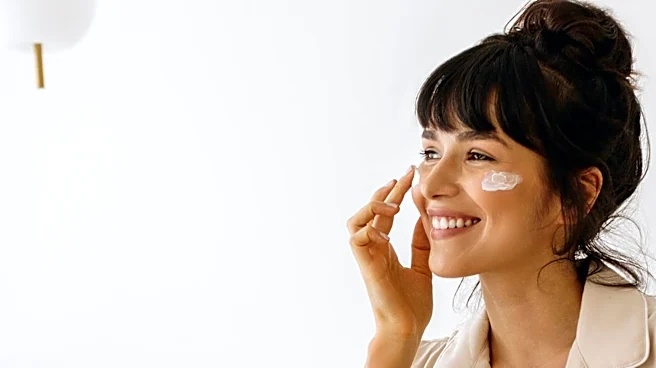
The 'glass skin' aesthetic, originating from Korean beauty culture, describes a complexion that is smooth, highly hydrated, and reflective. This look is achieved through consistent skincare practices focusing on deep hydration, gentle exfoliation, and a strong
skin barrier, rather than relying on a single product or aggressive treatments. Key principles of a K-beauty routine include double cleansing, layered hydration, and daily sun protection. While often associated with a 10-step routine, experts emphasize that this framework is flexible and customizable, allowing individuals to select steps based on their skin type and concerns. Common mistakes to avoid include over-exfoliating, skipping SPF, layering too many active ingredients at once, and neglecting patch tests for new products. The goal is to build skin health over time, with visible results typically appearing after three to four weeks of consistent effort.
Why It's Important?
The emphasis on 'glass skin' highlights a significant shift in beauty standards towards skin health and natural radiance, moving away from heavy makeup coverage. This trend influences the beauty industry by promoting products that support skin barrier function, hydration, and gentle care, potentially leading to increased demand for ingredients like hyaluronic acid, niacinamide, ceramides, and squalane. For consumers, it underscores the importance of a consistent, tailored skincare routine over quick fixes or aggressive treatments, fostering a more sustainable approach to skin health. The flexibility of the K-beauty framework also empowers individuals to adapt routines to their specific needs, making advanced skincare more accessible and less intimidating. This focus on long-term skin health can lead to better outcomes and reduced skin irritation compared to practices that prioritize immediate, often harsh, results.
What's Next?
The continued popularity of the 'glass skin' trend is likely to drive further innovation in skincare product development, with a focus on lightweight, hydrating, and barrier-supporting formulations. Brands may continue to offer simplified routines or 'sets' designed to achieve this look with fewer steps, catering to consumers seeking efficiency without compromising results. Educational content from beauty experts and dermatologists will likely continue to guide consumers on customizing routines and avoiding common pitfalls, reinforcing the message that consistency and gentle care are paramount. The trend may also influence related beauty categories, such as 'glass lips,' which extend the reflective, hydrated aesthetic to other facial features, indicating a broader cultural shift towards a dewy, luminous appearance.
Beyond the Headlines
Beyond its aesthetic appeal, the 'glass skin' movement reflects a deeper cultural value placed on preventative care and long-term well-being in beauty. It encourages a mindful approach to skincare, where understanding one's skin and its needs takes precedence over blindly following trends. The emphasis on ingredients that support the skin's natural functions, such as barrier repair and hydration, aligns with a growing consumer demand for effective, science-backed products. This trend also subtly challenges the notion that beauty is solely about covering imperfections, instead promoting the idea that healthy, well-maintained skin is beautiful in itself. The global adoption of this Korean beauty philosophy suggests a broader appreciation for holistic and sustainable beauty practices.