







What's Happening?
The standard acoustic piano features 88 keys, comprising 52 white and 36 black keys, a configuration that has been the definitive standard since the late 19th century. This full-sized keyboard spans seven and a quarter octaves, from the lowest A to the highest
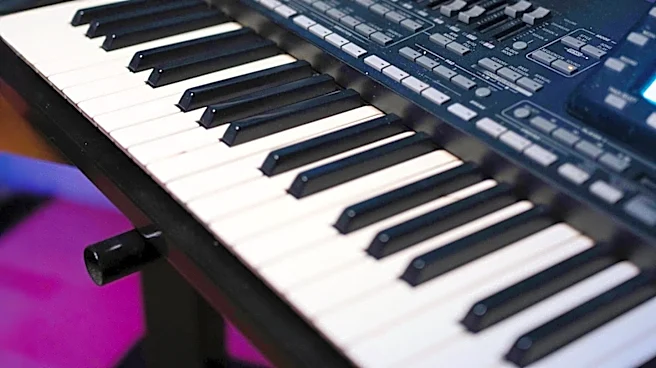
C, and is designed to accommodate the vast majority of classical and contemporary piano repertoire. However, not all keyboards adhere to this 88-key standard, with various sizes available to suit different musical needs, budgets, and space constraints. For instance, 73-key or 76-key "stage pianos" offer a practical middle ground, providing sufficient range for most repertoire while being more portable than a full 88-key instrument. Further reductions include 61-key keyboards, which are common for synthesizers and beginners, offering five octaves suitable for scales, chords, and simpler pieces, though they may limit players tackling more demanding classical or jazz compositions. The smallest common size, 49 keys (four octaves), is typically found in hardware DAW controllers, primarily used by producers and studio musicians for programming and MIDI control rather than traditional piano playing. The choice of keyboard size often involves a trade-off between range, portability, cost, and the authentic "feel" of a piano, particularly regarding weighted keys.
Why It's Important?
The variation in piano keyboard sizes significantly impacts musicians' ability to perform different genres and develop specific techniques. An 88-key instrument provides the full range necessary for classical and complex jazz pieces, allowing for the expression of extreme upper and lower registers crucial to such compositions. For aspiring pianists, especially those progressing through grades, a full-sized keyboard with weighted or hammer-action keys is vital for developing proper technique and "feel," closely replicating the physical interaction with an acoustic piano. Conversely, smaller keyboards, while more affordable and portable, introduce limitations. A 61-key keyboard, for example, might suffice for pop and rock but will restrict players attempting repertoire designed for a full piano. The rise of digital audio workstations (DAWs) has also driven the popularity of 49-key controllers, which prioritize programming and MIDI control over traditional playability. Understanding these differences is crucial for musicians to select an instrument that aligns with their specific musical goals, whether it's classical performance, studio production, or live gigging, directly influencing their creative potential and technical development.
What's Next?
The evolution of keyboard technology continues to offer musicians a diverse array of choices, with ongoing advancements in digital pianos and MIDI controllers. Manufacturers are likely to further refine weighted key actions in more compact designs, aiming to provide the authentic feel of an 88-key acoustic piano in smaller, more portable packages. This trend caters to gigging musicians and home studio users who require both playability and convenience. For producers and studio musicians, the development of more sophisticated 49-key and smaller controllers will likely focus on enhanced integration with DAWs and advanced programming features, rather than expanding key range. The market will continue to segment, offering specialized instruments for different user groups, from traditional pianists to electronic music producers. Educational institutions and music instructors will also continue to emphasize the importance of full-sized, weighted keyboards for foundational piano training, while acknowledging the utility of smaller, synth-action keyboards for specific applications and genres.
Beyond the Headlines
The discussion around keyboard sizes touches upon deeper philosophical questions regarding musical authenticity and accessibility in the digital age. While 88-key acoustic pianos represent a historical standard and an ideal for many, the proliferation of smaller, digital alternatives democratizes music creation, making it more accessible to a wider audience regardless of space or budget. This shift challenges traditional notions of what constitutes a "real" piano experience, as advanced digital instruments can now closely emulate the sound and feel of their acoustic counterparts. The emphasis on weighted keys in larger digital keyboards highlights the enduring importance of tactile feedback for musical expression and technique, suggesting that physical interaction remains a critical component of musicianship. Ultimately, the diverse range of keyboard sizes reflects a dynamic interplay between tradition, technological innovation, and the evolving needs of musicians across various genres and contexts, shaping how music is learned, performed, and produced in the modern era.