







What's Happening?
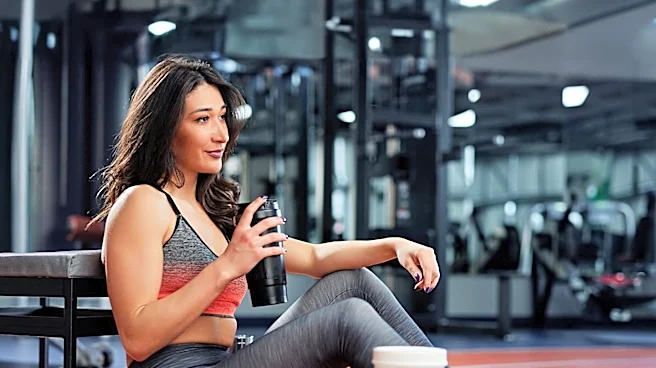
A significant trend is emerging in the U.S. where female fitness influencers are increasingly promoting creatine, leading to a surge in its use among women. Historically associated with male bodybuilders, creatine supplements are now being rebranded with 'Goop-esque,'
pastel-colored packaging and marketed through social media by influencers. This shift has led to a 190% increase in searches for 'creatine monohydrate for women' and a 90% surge in Amazon sales within the creatine subcategory over the last year. Women like Grace McHugh and Campbell Gulbrandsen, both from New York City, started taking creatine due to recommendations from female influencers, citing reasons ranging from marathon training to perceived cognitive benefits. While creatine is a compound naturally made by the body that supplies energy to muscles, experts like sports dietitian Yasi Ansari confirm its role in muscle strength gains but note that research on cognitive benefits is not yet conclusive. The marketing efforts are working, with new female-centered brands like Fit Git Creatine entering the market with products designed to appeal specifically to women.
Why It's Important?
This trend signifies a notable shift in the U.S. wellness and supplement industry, particularly in how products are marketed to and consumed by women. The increased interest in creatine among women reflects a broader cultural shift from prioritizing weight loss to valuing muscle mass and strength, as noted by brand strategist Katie Klencheski. This change impacts supplement manufacturers, who are adapting their branding and marketing strategies to target a new demographic. The involvement of influencers in promoting these products highlights the power of social media in shaping consumer behavior and health trends. However, it also raises concerns about the regulatory landscape, which Klencheski describes as 'a little bit like the Wild West,' regarding claims made by supplement companies and influencers. While companies can make certain claims about how a product affects the body's structure or function, they cannot market supplements as diagnosing, treating, curing, or preventing disease, creating a potential for misleading information in a largely unregulated online space.
What's Next?
The creatine market is projected to reach $8.7 billion by 2033, indicating continued growth and further innovation in product development and marketing strategies. We can expect more female-oriented creatine products and increased influencer collaborations as brands seek to capitalize on this expanding market segment. The ongoing debate about the cognitive benefits of creatine will likely lead to more scientific research to either substantiate or refute these claims, which could influence future marketing messages. Additionally, the 'murky' regulatory environment surrounding supplement claims on social media may prompt calls for stricter oversight or clearer guidelines for influencers and companies. As the trend continues, there will be an ongoing discussion about balancing the legitimate, science-backed benefits of creatine with potentially exaggerated or unsubstantiated claims made in online promotions, particularly concerning its 'body-changing' effects.
Beyond the Headlines
The rise of creatine use among women, driven by social media influencers, reflects deeper societal shifts in body image and wellness culture. The move from a 'skinny trend' to valuing strength and muscle mass represents a significant evolution in how women perceive and pursue fitness. This development also underscores the ethical considerations of influencer marketing, where the line between genuine endorsement and commercial promotion can blur, potentially leading consumers to make health decisions based on incomplete or unverified information. The accessibility of supplements through various forms like gummies and topical patches, coupled with appealing branding, makes them more attractive to a wider audience, including casual exercisers. This phenomenon highlights the increasing commercialization of wellness and the constant search for 'body-changing' solutions, even as experts caution that supplements cannot substitute for good nutrition and exercise. The long-term impact on women's health and the integrity of wellness information in the digital age remain critical considerations.