


What's Happening?
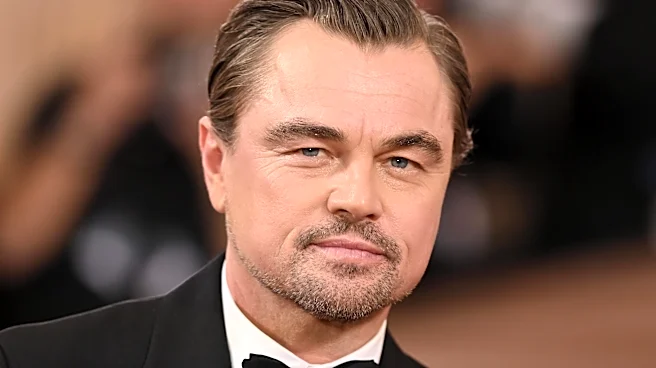
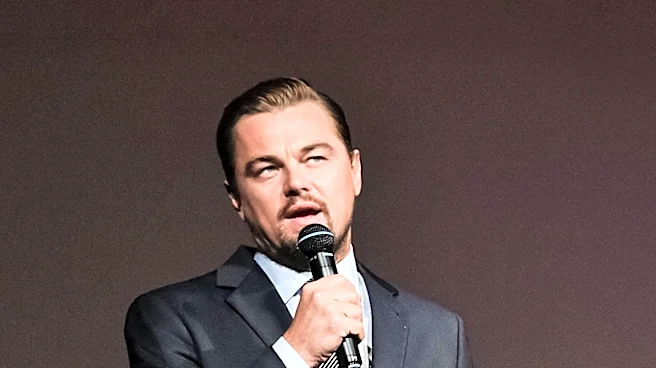
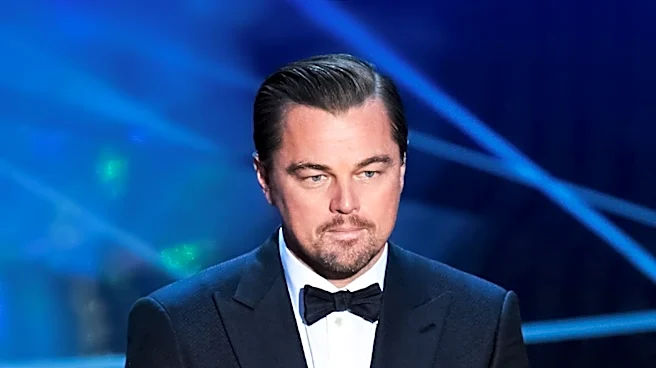
Megyn Kelly, during an episode of 'The Megyn Kelly Show,' publicly criticized actor Leonardo DiCaprio's dating life and his recent 52nd birthday party. Kelly described DiCaprio's habit of dating younger women as 'just gross,' noting the long-standing
claim that his girlfriends typically do not exceed 25 years of age. She further commented on the guest list at his party, held at a private Los Angeles home, describing the younger women in attendance as 'overly tan with zero body fat' and suggesting they were present as 'decoration.' Kelly also made remarks about DiCaprio's physical appearance, calling him 'fat, bloated, slovenly and disgusting' based on a shirtless photo taken in Hawaii. These comments followed Kelly's earlier statement where she called Russell Brand's 10-and-a-half-year prison sentence for rape and sexual assault 'insane' and a 'political witch hunt.'
Why It's Important?
Megyn Kelly's commentary highlights a broader public discourse surrounding celebrity behavior, age differences in relationships, and perceptions of physical appearance in Hollywood. Her remarks on DiCaprio's dating patterns touch upon ongoing societal discussions about power dynamics and gender roles in relationships, particularly when there is a significant age gap. The contrasting reactions to her comments—some calling her a hypocrite for defending Russell Brand while criticizing DiCaprio—underscore the complexities of public opinion and the differing standards applied to various public figures. This situation also reflects the role of media personalities in shaping public perception and influencing conversations about celebrity culture and personal conduct, potentially sparking further debate on these topics among audiences.
What's Next?
The immediate aftermath of Megyn Kelly's comments has already seen online backlash, with some individuals accusing her of hypocrisy given her recent defense of Russell Brand. It is possible that this public criticism will continue to generate discussion across social media platforms and other media outlets. Leonardo DiCaprio has not yet responded to Kelly's remarks, and it remains to be seen if he or his representatives will issue a statement. The incident may also prompt other public figures or commentators to weigh in on the debate surrounding celebrity dating habits, age gaps in relationships, and the perceived double standards in public criticism. This could lead to further media segments or articles exploring these themes, keeping the conversation active in the entertainment news cycle.
Beyond the Headlines
This event delves into deeper societal implications regarding the scrutiny of public figures' private lives and the evolving standards of acceptable commentary. Kelly's remarks about DiCaprio's dating choices and appearance, juxtaposed with her defense of Russell Brand, raise questions about consistency in moral judgment and the selective application of criticism in media. It highlights the ongoing tension between personal freedom and public accountability for celebrities, particularly concerning relationships with significant age differences. The public's reaction also reflects a broader cultural conversation about body shaming and the objectification of individuals, regardless of gender. This incident could contribute to a larger dialogue about media ethics, the responsibilities of commentators, and the impact of public discourse on celebrity culture and societal norms.