






What's Happening?
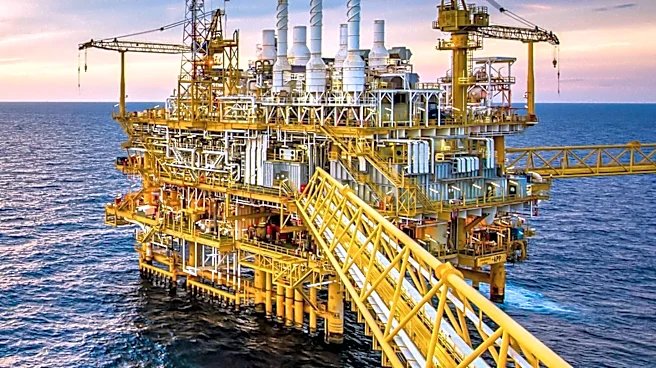
Equinor has revised its 2026 production growth guidance down to approximately 3%, a reduction from the previously announced 4%. This adjustment follows temporary shut-ins at two key offshore fields: Bacalhau in Brazil and Visund in Norway. These outages
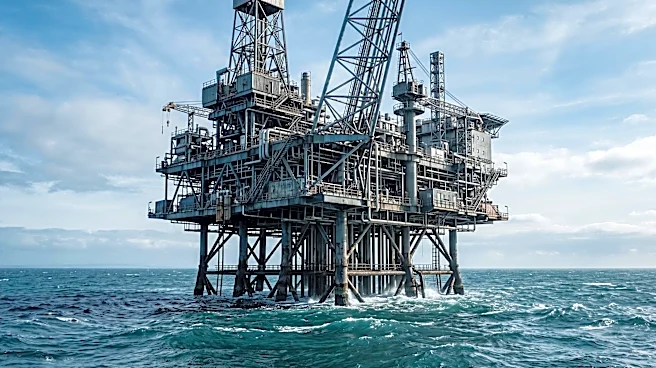
are projected to decrease average production by 15,000–20,000 barrels of oil equivalent per day (boed) for the year. The Bacalhau field experienced a dropped-object incident on its FPSO on November 18, damaging equipment and leading to an anticipated five to eight-week shutdown. No injuries were reported. Separately, the Visund field in the North Sea is expected to be offline for about two months due to a fire in its emergency power switchboard room on November 4. Additionally, Equinor is addressing operational issues at the Johan Castberg field in the Barents Sea, where production has been minimized due to problems with oil offloading. Despite these setbacks, Equinor asserts that none of the incidents will affect recoverable reserves.
Why It's Important?
This reduction in Equinor's production guidance is significant for the global energy market, particularly given the company's role as a major international producer. While the immediate impact on U.S. consumers might be indirect, any disruption to global oil and gas supply can influence international prices, which in turn affect domestic energy costs. For U.S. energy companies and investors, Equinor's operational challenges highlight the inherent risks and complexities of offshore oil and gas extraction, including equipment failures and safety incidents. The incidents underscore the importance of robust safety protocols and operational resilience in the energy sector. Furthermore, the company's pursuit of growth targets, including 2.3 MMboed by 2030 and 950,000 boed of international production by the end of the decade, will be closely watched by industry analysts and competitors, as these setbacks could influence future investment decisions and strategic planning within the broader energy industry.
What's Next?
Equinor is actively investigating the incidents at Bacalhau and Visund with its contractors and regulatory bodies, including Brazil's ANP and Norway's Havtil. The company's immediate focus is on safely restoring production at both fields, with Bacalhau expected to be offline for five to eight weeks and Visund for approximately two months. Work is also underway to resolve the oil offloading issues at Johan Castberg. The outcomes of these investigations and the timelines for resuming full operations will be critical in determining the full financial and operational impact on Equinor. Future production guidance and investment plans may be further adjusted based on these developments. The company's ability to meet its long-term growth targets will depend on its capacity to mitigate such operational challenges and ensure the reliability of its global assets.
Beyond the Headlines
The incidents at Equinor's offshore fields highlight broader industry challenges related to aging infrastructure, the complexities of deepwater operations, and the increasing scrutiny on safety and environmental performance. While no injuries were reported in these specific events, the potential for catastrophic accidents in offshore drilling remains a significant concern for regulators, environmental groups, and local communities. The reliance on complex machinery and the harsh conditions of offshore environments mean that operational disruptions are an inherent risk. These events could prompt a re-evaluation of maintenance schedules, safety protocols, and emergency response plans across the industry. Moreover, as the world transitions towards cleaner energy, the efficiency and reliability of traditional oil and gas operations become even more critical for companies like Equinor to maintain their market position and fund investments in renewable energy projects.