




What's Happening?
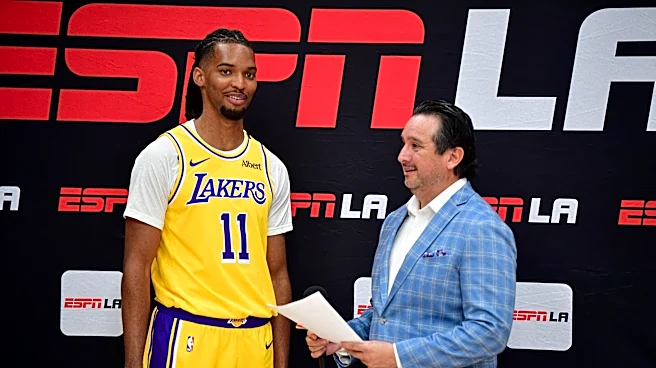
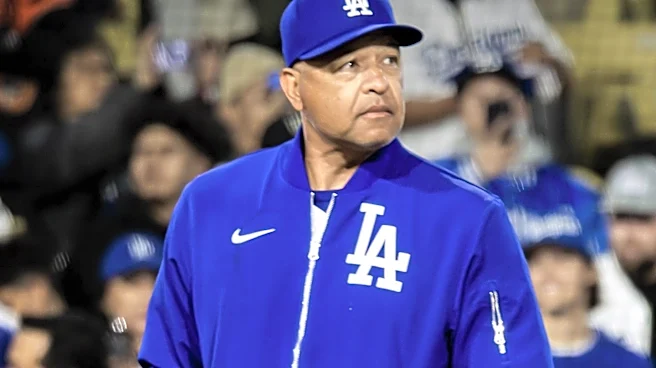
Dodgers manager Dave Roberts has asserted that the Los Angeles Dodgers have at least tied, if not surpassed, the Los Angeles Lakers as the most popular sports team in the city. Historically, Los Angeles has been considered a 'Laker town' in terms of sports popularity.
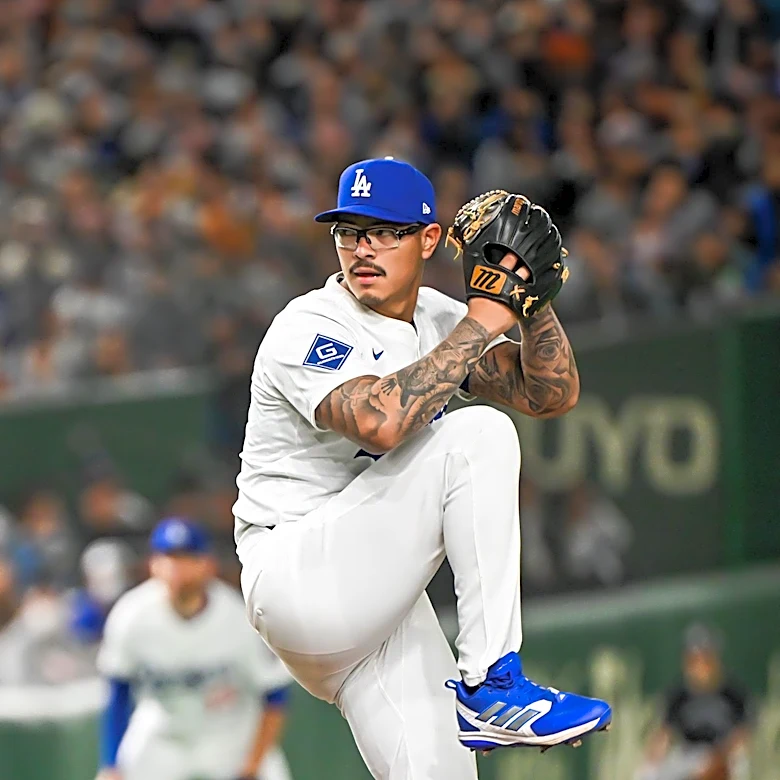
Roberts made these comments on SportsNet LA, citing the widespread presence of Dodger jerseys and the team's consistent high attendance figures, drawing 45-50,000 fans every home game and traveling well. The Dodgers have experienced significant success since 2013, including 14 consecutive postseason appearances, 13 National League West titles, five NL pennants, and three World Series championships. In contrast, the Lakers have not maintained the same level of recent success and are undergoing a transitional period following LeBron James' departure from their roster. The Dodgers are currently aiming to achieve a three-peat in the World Series, a feat not accomplished in 26 years, which would further solidify their place in MLB history.
Why It's Important?
This declaration by Dave Roberts highlights a significant shift in the sports landscape and cultural identity of Los Angeles. The Dodgers' sustained success and strong fan engagement, as evidenced by their leading attendance figures, suggest a growing influence on the city's sports culture. This could impact local media coverage, sponsorship deals, and the overall economic value of both franchises. For the Dodgers, increased popularity translates to greater revenue potential from ticket sales, merchandise, and broadcasting rights, reinforcing their ability to invest in top-tier talent and maintain their competitive edge. For the Lakers, this perceived shift could prompt a re-evaluation of their marketing strategies and team performance to reclaim their dominant position in the city's sports consciousness. The rivalry for fan loyalty between two of the most iconic sports franchises in the U.S. has broader implications for sports marketing and urban identity, reflecting how team success and community connection shape public perception and market share.
What's Next?
The Dodgers are currently focused on their pursuit of a historic three-peat in the World Series, which would undoubtedly further cement their popularity and legacy. Their continued on-field success will be a key factor in maintaining and expanding their market share in Los Angeles. The Lakers, on the other hand, will likely be working to navigate their transitional period and rebuild their roster to regain competitive prominence. The performance of both teams in upcoming seasons will be crucial in determining the long-term trajectory of their respective fan bases and overall popularity in the city. While both organizations maintain a strong relationship and collaborate on various initiatives, the competitive dynamic for fan allegiance will continue to evolve. Future attendance figures, merchandise sales, and local media narratives will serve as indicators of which team truly holds the 'crown' of Los Angeles sports popularity.
Beyond the Headlines
The assertion of the Dodgers' ascendant popularity over the Lakers touches upon deeper sociological aspects of sports fandom and urban identity. Los Angeles, a city known for its diverse population and multiple successful sports franchises, often sees its identity intertwined with its teams. The shift in perceived popularity could reflect changing demographics, evolving cultural preferences, or simply the cyclical nature of sports dominance. This phenomenon also underscores the power of sustained success in building and maintaining a loyal fan base, even in a market with established giants. The Dodgers' consistent investment in their on-field product, as noted by Team President and CEO Stan Kasten, demonstrates how organizational commitment to excellence can translate into widespread public support. This dynamic offers insights into how sports franchises cultivate community ties and leverage success to become integral parts of a city's fabric, influencing everything from local pride to economic activity.