





What's Happening?
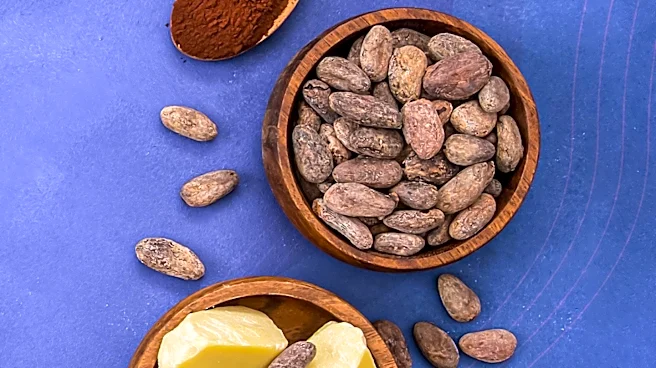
Ceremonial cacao, often considered a coffee alternative, naturally contains both caffeine and theobromine, a related stimulant. This means it is not a caffeine-free beverage, and individuals sensitive to stimulants may still experience effects. The amount
of caffeine and theobromine in ceremonial cacao varies based on the cacao variety, growing conditions, and serving size. While some describe the energy from cacao as 'gentler' due to a higher proportion of theobromine compared to caffeine, it is important not to assume it guarantees sustained energy without side effects. For those advised to avoid caffeine completely, ceremonial cacao is not a suitable substitute. The stimulant content also means that consuming it later in the day could affect sleep for sensitive individuals.
Why It's Important?
This information is crucial for consumers seeking caffeine-free alternatives or those with stimulant sensitivities. Misconceptions about ceremonial cacao being stimulant-free could lead to unexpected physiological responses, such as restlessness, difficulty sleeping, or digestive discomfort. For individuals trying to reduce their caffeine intake, understanding that cacao still contains stimulants is vital for managing their overall consumption and avoiding withdrawal symptoms. The distinction between caffeine and theobromine, while present, does not negate the stimulant properties of cacao, impacting dietary choices for pregnant or breastfeeding individuals and those with medical conditions requiring caffeine restriction. This clarity helps consumers make informed decisions about their beverage choices and manage their health effectively.
What's Next?
Consumers should be aware of the stimulant content in ceremonial cacao and adjust their consumption based on individual sensitivity and health recommendations. Manufacturers and retailers of ceremonial cacao may need to provide clearer labeling and information regarding its caffeine and theobromine content to prevent misinformation. Individuals seeking true caffeine-free alternatives should explore options like herbal teas (hibiscus, papaya leaf, rooibos) or coffee substitutes made from chicory root, mesquite, or dandelion. Those who enjoy cacao should consider consuming it earlier in the day if they are sensitive to stimulants, and start with smaller servings to assess their personal response.
Beyond the Headlines
The perception of ceremonial cacao as a 'gentler' stimulant highlights a broader trend in wellness culture where natural products are sometimes assumed to be free from adverse effects or stimulants. This can lead to a lack of critical evaluation of product ingredients and their physiological impacts. The distinction between caffeine and theobromine, while scientifically valid, can be oversimplified in marketing, potentially misleading consumers about the true nature of the product. This situation underscores the importance of transparency in product information and the need for consumers to research ingredients, especially when managing health conditions or sensitivities. It also points to the ongoing challenge of balancing traditional uses and modern scientific understanding of natural substances.