
What's Happening?
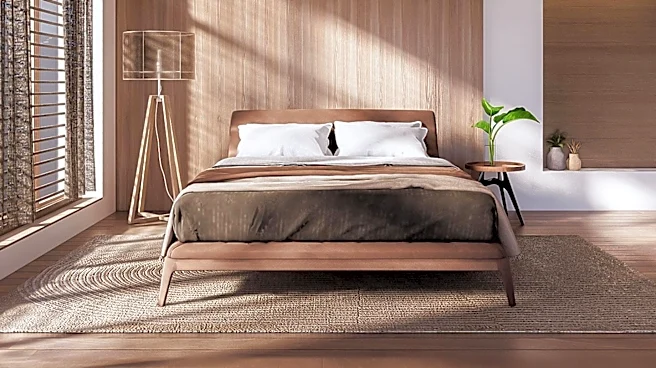
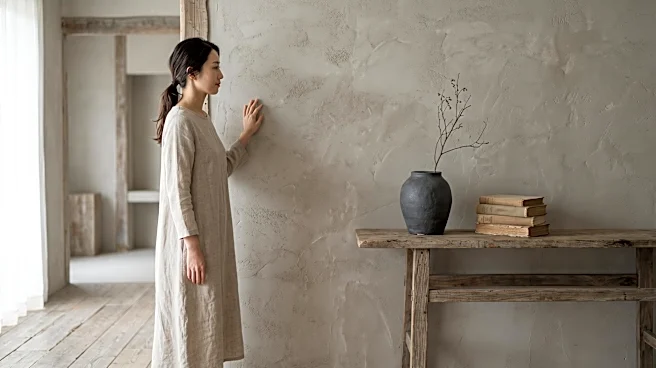
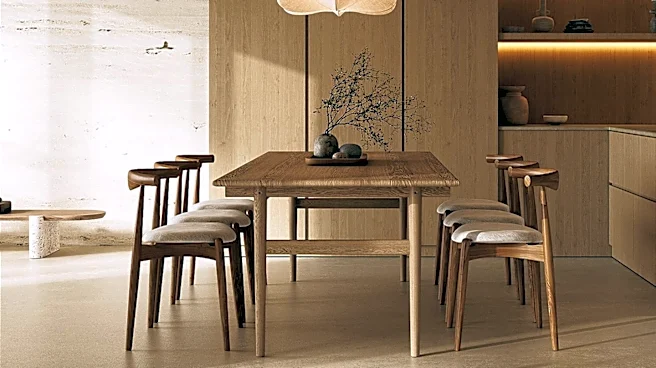
Japandi style, a fusion of Japanese minimalism and Scandinavian design, is gaining prominence in interior decor. This aesthetic is characterized by organic, muted minimalism, emphasizing craftsmanship
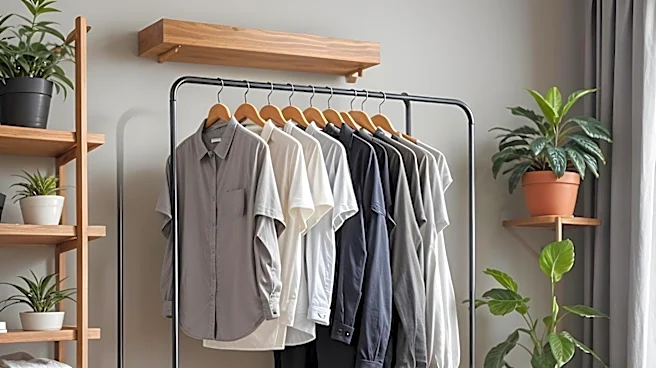
and calming color palettes. It incorporates natural elements and often features darker hues and matte black accents, presenting a more restrained look compared to the typically lighter and cozier Scandinavian design. The style focuses on creating a curated and designed environment for relaxed living, frequently integrating practical storage solutions and high-end finishes. This blend is being observed in various design contexts, including luxury yacht interiors, where it merges with Mediterranean sophistication.
Why It's Important?
The rise of Japandi style reflects a broader shift in design preferences towards understated elegance, natural materials, and functional aesthetics. This trend impacts the U.S. interior design industry by influencing product development, material choices, and consumer demand for home furnishings and decor. Manufacturers and retailers may adapt their offerings to align with the Japandi aesthetic, focusing on sustainable materials, minimalist forms, and a neutral color palette. For consumers, it offers a design approach that prioritizes tranquility, craftsmanship, and a harmonious living environment, potentially influencing purchasing decisions for home renovations and new constructions. The emphasis on natural elements and muted tones also aligns with growing environmental consciousness and a desire for less cluttered, more mindful living spaces.
What's Next?
The continued evolution of Japandi style is likely to see its principles integrated into a wider range of design applications, from residential homes to commercial spaces. Designers and architects may further explore the fusion of cultural aesthetics, leading to new interpretations and adaptations of the style. We can anticipate an increase in the availability of furniture, textiles, and decor items that embody Japandi characteristics, such as clean lines, natural wood finishes, and subtle textures. Educational resources and design publications will likely continue to highlight Japandi as a significant trend, further solidifying its presence in the design lexicon and influencing future design directions. The style's adaptability suggests it could become a long-term influence rather than a fleeting trend.
Beyond the Headlines
Beyond its aesthetic appeal, Japandi style embodies a philosophical approach to living that emphasizes simplicity, functionality, and a connection to nature. This resonates with broader societal trends in the U.S. towards decluttering, mindfulness, and well-being. The style's focus on craftsmanship and quality over quantity can encourage more sustainable consumption patterns, as consumers invest in durable, timeless pieces rather than disposable trends. Culturally, it represents a harmonious blend of Eastern and Western design philosophies, promoting cross-cultural appreciation and understanding through the medium of interior design. This fusion can also inspire innovation in material science and manufacturing, as designers seek new ways to incorporate natural and sustainable elements into modern living spaces.