





What's Happening?
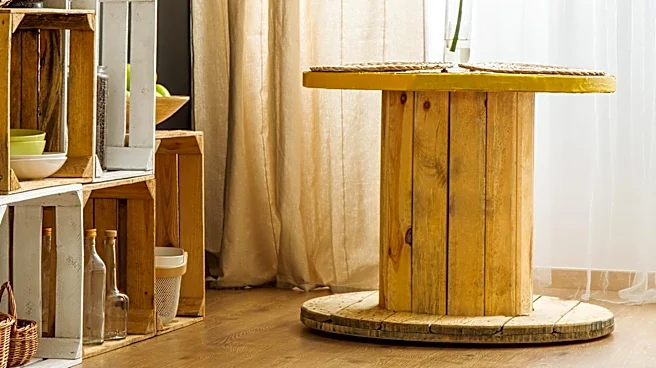
The realm of upcycled furniture is expanding with innovative designs that transform discarded materials into functional and aesthetic pieces. Examples include a stool crafted from woven fire hoses, the 'Blue Collar Bench' which repurposes a vintage tailgate,
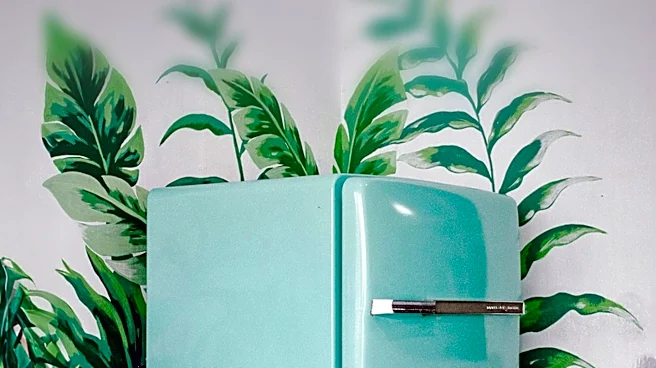
and a lampshade made from a Samsung TV cardboard box. Other notable creations feature the 'Compact CD Chair,' the 'Floating Flux' chandelier, and the 'No Waste Chair' filled with old clothing. This trend extends to retail, with stores like Second Chance Antiques offering vintage, retro, and upcycled selections. DIY enthusiasts are also contributing, with projects such as converting old refrigerators into storage units and repurposing shopping carts into chairs. The movement emphasizes creative reuse and sustainable design practices, offering alternatives to traditional furniture production and consumption.
Why It's Important?
The growing popularity of upcycled furniture signifies a broader shift towards sustainability and resourcefulness within U.S. industries and consumer culture. This trend impacts the furniture manufacturing sector by introducing new design paradigms and material sourcing methods, potentially reducing demand for new raw materials and manufacturing processes. For consumers, it offers unique, often handcrafted items that carry a story and contribute to a reduced environmental footprint. Economically, it supports small businesses, artisans, and local economies focused on restoration and creative reuse. Furthermore, it challenges the 'throwaway' culture by demonstrating the inherent value in discarded items, fostering a more circular economy. This movement also encourages skill development in repurposing and design, creating new opportunities for craftspeople and designers.
What's Next?
The upcycled furniture movement is likely to see continued growth, driven by increasing environmental awareness and a desire for unique, personalized home decor. We can anticipate more designers and businesses specializing in upcycled pieces, potentially leading to a more formalized market for these goods. Educational initiatives and workshops on DIY upcycling may also become more prevalent, empowering individuals to transform their own discarded items. Furthermore, collaborations between upcycling artists and larger furniture retailers could emerge, bringing these sustainable designs to a wider audience. The integration of technology, such as 3D scanning for custom fits or online platforms for sourcing materials, could also streamline the upcycling process and expand its reach.
Beyond the Headlines
Beyond its immediate aesthetic and functional benefits, the upcycled furniture trend carries significant ethical and cultural implications. It promotes a deeper appreciation for craftsmanship and the history embedded in objects, contrasting with the mass-produced, often disposable nature of modern consumer goods. Ethically, it addresses concerns about waste and overconsumption, encouraging a more mindful approach to material resources. Culturally, it fosters creativity and problem-solving, transforming what might be seen as junk into valuable assets. This movement also highlights the potential for individual action to contribute to larger environmental goals, demonstrating that sustainable living can be both practical and stylish. It challenges conventional notions of value, suggesting that an item's worth can be enhanced through thoughtful transformation rather than solely through its original production.