



What's Happening?
Pilates is increasingly recognized as a beneficial complementary exercise for runners, focusing on core strength, controlled movement, muscular endurance, and stability. This practice helps runners build strength around their hips and trunk, improving
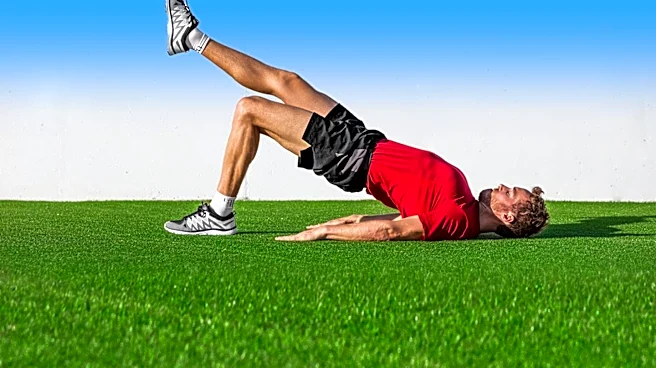
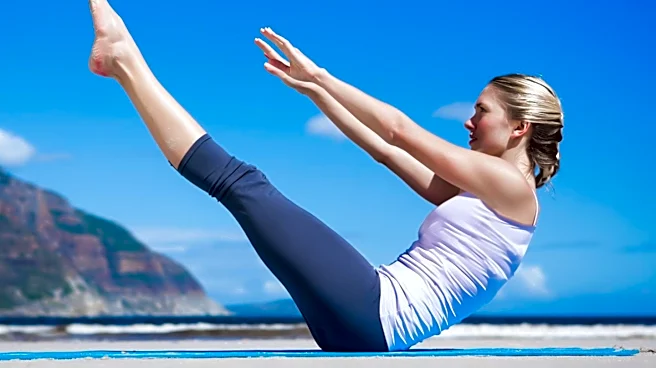
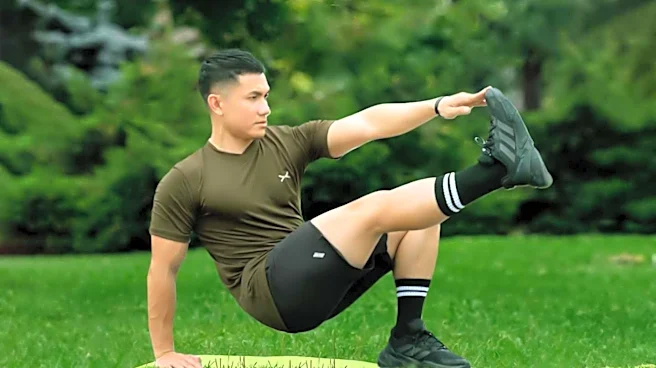
overall movement control. Unlike running, which primarily builds cardiovascular fitness, Pilates challenges the body in different ways by emphasizing core stability, hip strength, and coordination. It incorporates unilateral exercises, such as single-leg bridges and side planks, which work each side of the body independently to address muscle imbalances. Research, including a small 12-week study on recreational runners, has indicated potential improvements in 5K performance and aerobic fitness following Pilates training. The method also focuses on breath control, which can enhance body awareness and tension management during runs. Pilates can be performed on a mat or using a reformer, offering varied intensity and resistance levels suitable for all fitness levels.
Why It's Important?
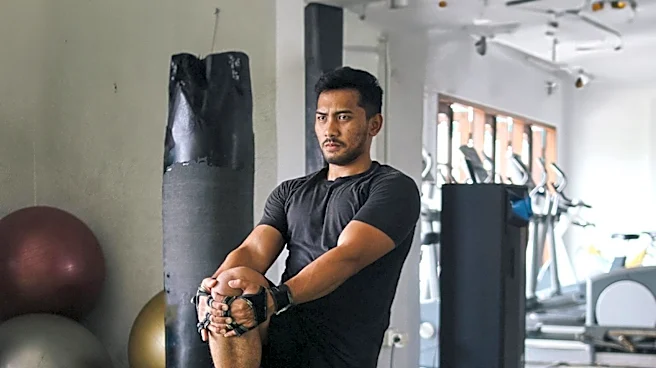
The integration of Pilates into a runner's training regimen is significant for several reasons. By strengthening the core, glutes, and hip muscles, Pilates helps maintain proper running form, reduces wasted lateral movement, and lowers metabolic cost, contributing to more efficient running. This enhanced stability and strength can also play a crucial role in preventing common running-related injuries such as ITB pain, runner's knee, and shin splints, which often stem from muscle imbalances or weakness. For runners who spend significant time sitting, Pilates offers exercises that improve hip mobility and spinal rotation, counteracting stiffness. Furthermore, the emphasis on body awareness in Pilates helps runners identify and correct inefficient movement patterns or areas of tension, leading to a more mindful and injury-resilient approach to their sport. This makes Pilates a valuable tool for both competitive and recreational runners aiming for sustained performance and long-term physical health.
What's Next?
As awareness of Pilates' benefits for runners grows, it is likely that more running coaches and fitness professionals will recommend or integrate Pilates into comprehensive training plans. We may see an increase in specialized Pilates classes tailored specifically for athletes, focusing on movements and muscle groups most relevant to running performance and injury prevention. Further research is anticipated to more definitively establish the long-term impacts of Pilates on running economy, injury rates, and overall athletic longevity. Runners can expect to find more accessible resources, including online programs and studio offerings, designed to help them incorporate Pilates effectively into their schedules, whether as a pre-run activation, post-run recovery, or dedicated cross-training session. The trend suggests a continued shift towards holistic training approaches that prioritize strength, stability, and mobility alongside traditional cardiovascular conditioning.
Beyond the Headlines
Beyond the immediate physical benefits, the practice of Pilates offers deeper implications for athletes, particularly runners. The method's emphasis on mindfulness, breath control, and precise movements fosters a stronger mind-body connection. This can translate into improved proprioception—the body's ability to sense its position and movement—which is critical for navigating varied terrains and responding to unexpected changes during a run. Ethically, promoting Pilates as a preventative measure aligns with a proactive approach to athlete well-being, potentially reducing reliance on reactive treatments for injuries. Culturally, the growing acceptance of Pilates within the running community signifies a broader shift in sports toward valuing functional movement and holistic fitness over purely performance-driven metrics. This integration encourages athletes to view their bodies as interconnected systems, fostering a more sustainable and enjoyable engagement with their sport over a lifetime.