






What's Happening?
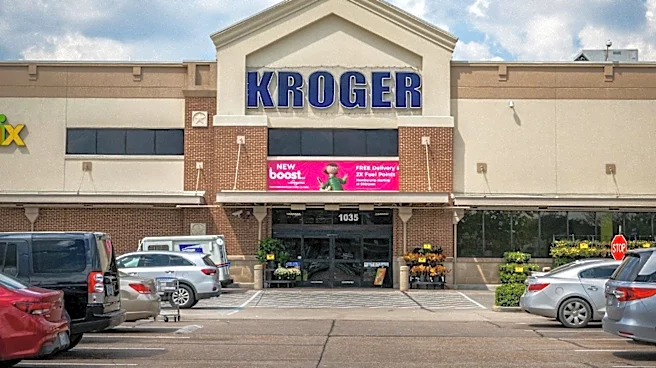
Albertsons has accused Kroger of destroying crucial evidence related to their failed $25 billion merger. According to Albertsons, a consultant working for Kroger, Dr. David Weiskopf of Compass Lexecon, shredded notes from conversations with Kroger and
its attorneys. These notes were reportedly part of the economic analysis for the merger, specifically concerning which stores to sell to satisfy regulators. Albertsons alleges that Kroger failed to preserve these documents until October 2025, despite anticipating litigation for nearly two years. The lawsuit stems from Albertsons' claim that Kroger owes a $600 million breakup fee after two courts rejected the merger deal in late 2024 and Albertsons subsequently canceled it. Albertsons' court filing states that Kroger was 'consciously aware' of the risk that its failure to issue a litigation hold to Weiskopf would lead to evidence being spoiled. Weiskopf reportedly followed his standard practice of shredding notes.
Why It's Important?
This accusation of evidence destruction could significantly impact the ongoing legal battle between two of the largest grocery chains in the U.S. If proven, the destruction of notes could be seen as an attempt to obstruct justice or conceal information, potentially leading to severe penalties for Kroger and strengthening Albertsons' claim for the $600 million breakup fee. The outcome of this lawsuit has broader implications for future large-scale mergers and acquisitions in the retail sector, particularly regarding the due diligence and document preservation processes. It highlights the intense scrutiny and legal challenges that can arise when major corporations attempt to consolidate, especially in industries with significant antitrust concerns. The case also underscores the importance of clear communication and adherence to legal holds during complex corporate transactions to avoid allegations of spoliation of evidence.
What's Next?
The legal proceedings between Albertsons and Kroger are expected to continue, with the court likely to address the allegations of evidence destruction. Albertsons will aim to demonstrate that the shredded notes were vital to its case and that Kroger acted negligently or intentionally in allowing their destruction. Kroger will likely defend its actions, potentially arguing that the consultant's actions were standard procedure or that the notes were not critical evidence. The court will need to determine the impact of the alleged spoliation on the fairness of the trial and whether any sanctions against Kroger are warranted. The resolution of this specific issue could influence the overall trajectory of the lawsuit regarding the $600 million breakup fee. Additionally, the case may prompt other companies involved in large mergers to review and reinforce their document retention policies and litigation hold procedures.
Beyond the Headlines
The 'shred gate' allegations raise fundamental questions about corporate accountability and transparency in high-stakes business transactions. Beyond the immediate financial implications for Kroger and Albertsons, this case could set precedents for how companies are expected to manage and preserve information during merger negotiations and subsequent legal disputes. It underscores the ethical responsibilities of corporations and their consultants to maintain a complete record of relevant communications and analyses, especially when litigation is anticipated. The incident also highlights the challenges of regulating information flow and document retention in an era where digital and physical records can be easily altered or destroyed. The outcome could influence regulatory bodies to impose stricter guidelines on evidence preservation during merger reviews, aiming to prevent similar situations in the future and ensure fair legal processes.