





What's Happening?
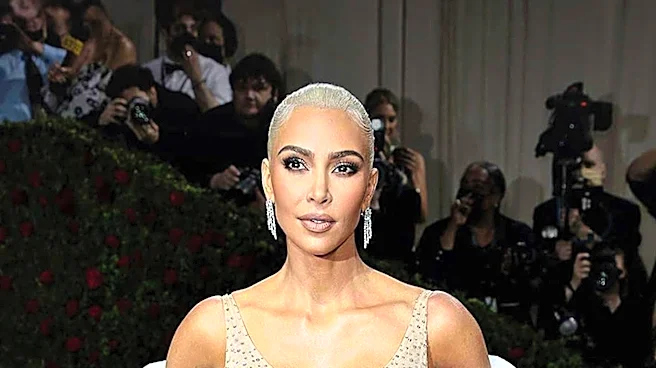
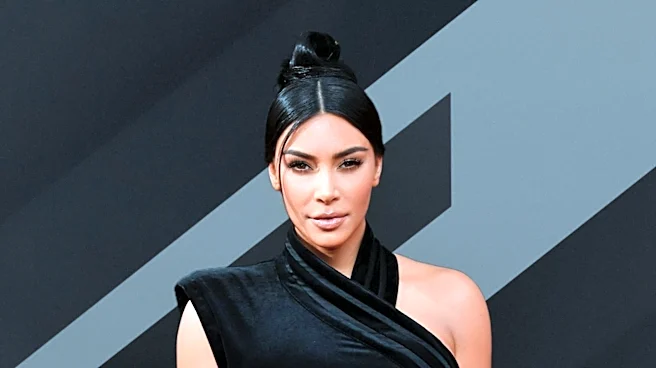
Kim Kardashian recently posted a series of photos on Instagram featuring herself in a revealing Mark Fast knit beach dress from the Spring/Summer 2027 runway collection. The dress, characterized by its high neckline, beading, and numerous cutouts, garnered
significant praise from her fans, with many calling her 'the most beautiful woman.' This social media engagement follows a period where Kardashian also faced considerable backlash regarding her Skims advent calendar. The $148 calendar, marketed as a 12-day item, contained an assortment of hair accessories and keychains rather than clothing items, leading to widespread criticism from content creators and social media users who deemed the contents 'cheap.' Skims has since offered full refunds or store credit to customers who purchased the calendar, acknowledging that it 'didn't meet expectations.' Kardashian has also been seen with Formula One star Lewis Hamilton, with whom she went Instagram official earlier this year.
Why It's Important?
This event highlights the dual nature of celebrity influence and consumer expectations in the digital age. Kim Kardashian's ability to generate massive online engagement with her fashion choices underscores her continued status as a trendsetter and influencer, impacting fashion trends and consumer aspirations. Conversely, the backlash against the Skims advent calendar demonstrates the growing power of consumer feedback, particularly through social media. Brands, even those associated with high-profile celebrities, are increasingly held accountable for product value and transparency. This incident could influence how celebrity-backed brands approach product launches and manage customer relations, emphasizing the need for clear product descriptions and quality assurance to maintain consumer trust and brand reputation. The swift response from Skims with refunds indicates a recognition of this evolving consumer landscape.
What's Next?
Following the Skims advent calendar controversy, the company's decision to offer refunds or store credit is likely to mitigate further negative sentiment, but it may prompt a re-evaluation of their product diversification strategies and marketing transparency. For Kim Kardashian, her continued presence in high-fashion and social media will likely maintain her influence, with future posts and product endorsements continuing to draw significant attention. The public will also likely monitor her relationship with Lewis Hamilton, as celebrity relationships often generate substantial media coverage and public interest. Brands collaborating with celebrities may become more cautious, ensuring that product offerings align with consumer expectations to avoid similar public relations challenges. This incident could also set a precedent for how other celebrity brands handle customer dissatisfaction.
Beyond the Headlines
The incident with the Skims advent calendar delves deeper into the ethics of celebrity merchandising and the perceived value of branded products. It raises questions about whether consumers are paying for the brand association rather than the intrinsic value of the goods. The widespread disappointment suggests a disconnect between the aspirational image projected by celebrity brands and the tangible product delivered. This could lead to a broader consumer skepticism towards celebrity-endorsed products, pushing for greater authenticity and value. Furthermore, the immediate and widespread nature of the backlash, amplified by social media, underscores the power of collective consumer voice in holding brands accountable, potentially shifting the balance of power from brand to consumer in the e-commerce landscape. This trend could encourage more rigorous product development and transparent marketing practices across the industry.