





What's Happening?
Eco-friendly DIY initiatives are encouraging individuals to reuse, repair, and upcycle existing items rather than purchasing new ones. This approach emphasizes extending the lifespan of household goods, reducing waste, and fostering a more sustainable
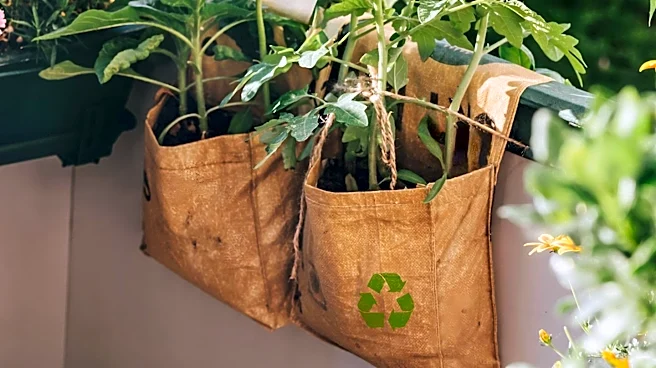
lifestyle. Key practices include repainting old furniture, repurposing glass jars and metal tins for storage, transforming ladders or crates into shelving, and reusing fabric offcuts for various household needs. The core philosophy is to fix what is broken before replacing it, with common examples being tightening wobbly furniture, replacing washers in dripping taps, and lubricating squeaky doors. This movement aims to make sustainable choices accessible to everyone, including those in smaller living spaces, by focusing on practical, low-cost solutions.
Why It's Important?
This shift towards eco-friendly DIY is important for several reasons. Environmentally, it significantly reduces landfill waste by diverting items that would otherwise be discarded. This lessens the demand for new product manufacturing, which often involves resource extraction and energy-intensive processes, thereby lowering carbon footprints. Economically, it offers a cost-effective alternative to constant consumption, allowing individuals to save money by repairing and repurposing items they already own. Socially, it promotes resourcefulness, creativity, and a sense of accomplishment, encouraging a more mindful relationship with possessions. It also highlights the value of craftsmanship and basic repair skills, which can be empowering for individuals and contribute to a more resilient community. The emphasis on responsible disposal for items beyond repair ensures that hazardous materials are handled correctly, preventing environmental contamination.
What's Next?
The trend of eco-friendly DIY is expected to continue growing as awareness of environmental issues and the desire for sustainable living increases. Future developments may include more readily available resources for learning repair and upcycling skills, such as community workshops, online tutorials, and accessible guides. There could also be an increase in demand for eco-friendly paints and finishes, leading to more innovation in low-VOC and water-based products. Businesses might adapt by offering repair services or selling components for DIY fixes, further supporting the movement. Additionally, local governments and organizations may implement programs to facilitate responsible disposal of difficult-to-recycle items, making it easier for individuals to participate in the circular economy. The focus will likely remain on small, actionable steps that collectively contribute to a larger environmental impact.
Beyond the Headlines
Beyond the immediate benefits of waste reduction and cost savings, the eco-friendly DIY movement fosters a deeper cultural shift towards valuing longevity and craftsmanship over disposability. It challenges the prevailing consumer culture that often encourages constant upgrades and replacements. This approach can lead to a greater appreciation for the stories and history embedded in objects, transforming them from mere commodities into cherished possessions. Ethically, it encourages a sense of responsibility towards the environment and future generations. It also highlights the importance of practical skills and self-sufficiency, potentially reducing reliance on external services and fostering a more resilient and adaptable populace. The movement subtly promotes a slower, more deliberate way of living, encouraging individuals to invest time and effort into their belongings, thereby creating a more sustainable and meaningful relationship with their material world.