








What's Happening?
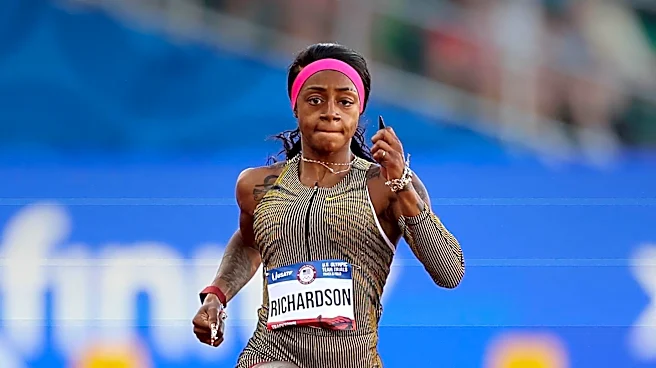
American track star Sha'Carri Richardson secured a notable victory in a handicap race held in April. In this unique competition format, Richardson started with a nine-meter disadvantage against Australian competitor Charlotte Nielsen. Despite the significant
deficit, Richardson demonstrated exceptional speed and determination, closing the gap and ultimately winning the race just before the finish line. This win marks her as only the third woman in the event's history to claim victory after starting from the furthest position back. Handicap races, also known as reverse races, are designed to create a more equitable and exciting competition by staggering start times based on participants' previous performance levels. Slower runners begin earlier, while faster athletes start later, aiming for a photo-finish outcome. This format is prevalent in both popular races and traditional athletic competitions, particularly in Australia, where the Stawell Gift has been held since 1878 with a similar handicapping system.
Why It's Important?
Sha'Carri Richardson's victory in a handicap race highlights her athletic prowess and ability to perform under unique competitive pressures. For the sport of track and field, such events offer an alternative and engaging format that can attract a broader audience by emphasizing strategic pacing and dramatic finishes rather than just absolute fastest times. This type of race can also provide valuable training experience for elite athletes like Richardson, forcing them to adapt to different race dynamics and chase down competitors. Her success in overcoming a significant handicap could inspire more interest in these less conventional race formats, potentially leading to their increased adoption in the U.S. and internationally. Furthermore, it reinforces Richardson's status as a prominent figure in American athletics, capable of delivering memorable performances.
What's Next?
Following her impressive performance, Sha'Carri Richardson is expected to continue her training and participation in major track and field events. Her involvement in unique formats like handicap races could lead to further invitations to similar high-profile, non-traditional competitions, potentially increasing her visibility and marketability. As a prominent athlete, her performances are closely watched, and her success in diverse race types could influence how event organizers structure future competitions to enhance spectator engagement. Her continued presence in the sport will likely see her competing against top international sprinters, with a focus on upcoming national and international championships. Her association with major brands like Nike also suggests ongoing promotional activities and potential new product showcases.
Beyond the Headlines
Richardson's participation and victory in a handicap race subtly challenge the conventional metrics of success in track and field, which typically prioritize raw speed and individual best times. This format introduces an element of strategic pursuit and head-to-head competition that can be more compelling for viewers. It also underscores the psychological aspect of racing, as athletes starting from behind must maintain focus and execute a perfect chase, while those with a head start must manage the pressure of being pursued. This could lead to a broader discussion within the athletic community about diversifying race formats to maintain audience interest and provide different competitive challenges for athletes, moving beyond standard time trials to embrace more dynamic and unpredictable race scenarios.