


What's Happening?
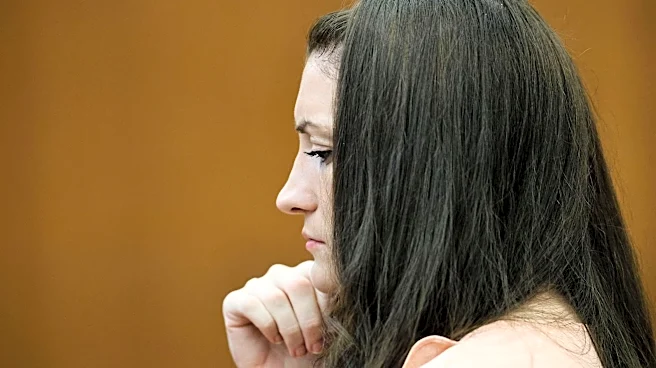
The prosecution has rested its case in the trial of Duane "Keffe D" Davis, who is accused of orchestrating the 1996 murder of rapper Tupac Shakur. During the trial, prosecutors presented evidence, including Davis's own statements, alleging that Sean "Puff
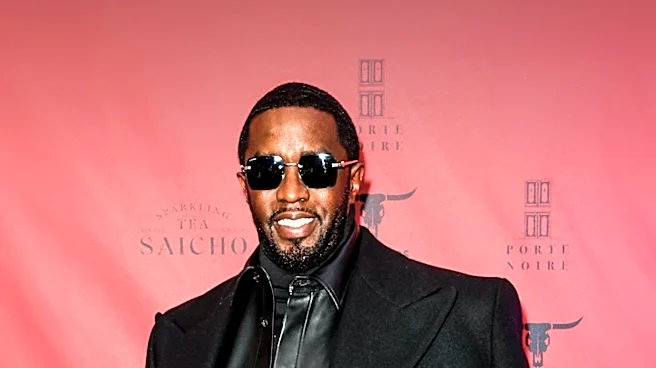
Daddy" Combs offered Davis $1 million to kill Tupac and Death Row Records CEO Suge Knight. Davis, a self-described South Side Compton Crips shot-caller, has been cooperating with law enforcement as a confidential informant since 1998 and has made varying claims about his involvement in interviews, documentaries, podcasts, and a 2019 memoir. According to a recorded interview Davis gave to LAPD Detective Daryn Dupree and an FBI Task Force in 2008, Combs allegedly told Davis, "I want to get rid of those dudes." The prosecution's case heavily relied on these statements, which Davis has since attempted to retract.
Why It's Important?
This trial is profoundly important as it represents a significant attempt to bring closure to one of the most high-profile and enduring unsolved murders in music history. The allegations against Sean "Diddy" Combs, though not directly on trial, introduce a shocking dimension to the long-standing theories surrounding Tupac's death, potentially implicating another major figure in the music industry. The reliance on Duane Davis's past statements, despite his attempts to walk them back, highlights the complexities and challenges of prosecuting cold cases, especially those involving gang affiliations and a code of silence. The outcome of this trial could not only provide justice for Tupac Shakur's family but also reshape the historical narrative of the East Coast-West Coast hip-hop rivalry, potentially leading to further investigations or revelations about other unsolved cases from that era.
What's Next?
With the prosecution having rested its case, it is now Duane Davis's turn to present his defense. His attorney, Michael Sanft, who has previously argued that his client is "full of crap," was not immediately prepared to call witnesses. The trial will resume, and the defense will have the opportunity to challenge the prosecution's evidence and present its own narrative. Following the defense's case, prosecutors may call rebuttal witnesses. The proceedings are expected to continue for some time, and the jury will ultimately decide whether Davis orchestrated the murder. The verdict will have significant implications for Davis and could potentially reignite scrutiny on Sean "Diddy" Combs, depending on how the evidence is perceived and discussed during the remainder of the trial.
Beyond the Headlines
The trial of Duane Davis for Tupac Shakur's murder transcends a typical criminal case, delving into the cultural mythology surrounding hip-hop's golden era and its tragic losses. The alleged involvement of Sean "Diddy" Combs, even if not directly prosecuted, casts a long shadow over the legacy of Bad Boy Records and the broader music industry. This case forces a re-examination of the narratives that have defined this period, challenging fans and historians to reconsider the true nature of the rivalries and power struggles that led to such violence. It also highlights the enduring impact of gang culture on urban communities and the difficulties law enforcement faces in penetrating these networks. The pursuit of justice nearly three decades later underscores society's persistent need for answers and accountability, even for crimes long thought to be unsolvable, and could influence how historical criminal cases are approached in the future.