





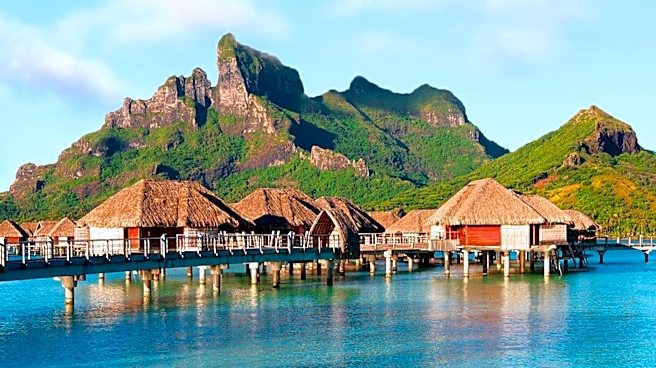
What's Happening?
Condé Nast Traveler, an international travel magazine with editions in the United States and Europe, has included the Cook Islands in its prestigious list of 'The 27 Best Places to Go in 2027.' This recognition highlights the Cook Islands as the sole
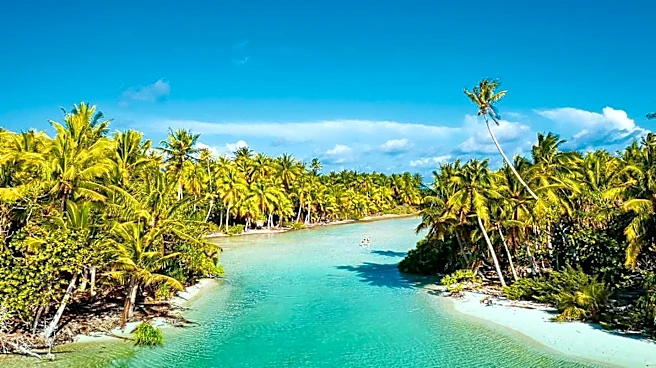
Pacific Island nation on the global list. The magazine's entry for the Cook Islands emphasizes its appeal with the tagline: 'Go for: paradise islands, ancient history and a new five-star stay.' The article specifically mentions Maungaroa Valley, which is on UNESCO’s World Heritage Tentative List, and the Highland Paradise’s Tapu’ae Day Tour on Rarotonga. It also notes the upcoming Grand Resort, scheduled to open in 2027. On Aitutaki, the feature acknowledges the traditional practice of Rārāui and the Aitutaki Coral Restoration Programme, alongside the Cook Islands’ Destination Stewardship Plan 2026–2030, titled 'Our Paradise, Our Promise.' Karla Eggelton, chief executive officer of Cook Islands Tourism Corporation, expressed pride in this international recognition, stating it validates the country's efforts in sustainable tourism.
Why It's Important?
This inclusion by Condé Nast Traveler is significant for the Cook Islands' tourism industry, particularly given the magazine's global reach, including its U.S. edition. Such high-profile endorsements can substantially influence travel decisions among affluent and discerning travelers in the United States and other key markets. For the Cook Islands, this recognition is expected to boost international visitor numbers, thereby stimulating the local economy through increased spending on accommodations, tours, and local businesses. The emphasis on 'ancient history' and 'new five-star stay' suggests a growing appeal for both cultural immersion and luxury travel, diversifying the types of tourists attracted to the islands. Furthermore, the mention of sustainable practices like Rārāui and the Coral Restoration Programme aligns with a growing global trend of eco-conscious tourism, potentially attracting a segment of travelers who prioritize responsible travel. The Cook Islands Tourism Corporation's ability to secure rights to use the official Condé Nast Traveler seal and make it available to local operators further amplifies the marketing potential, allowing smaller businesses to leverage this prestigious endorsement.
What's Next?
Following this recognition, the Cook Islands Tourism Corporation plans to actively promote this accolade. They have made the official Condé Nast Traveler seal available to local tourism operators through their Industry Toolkit, encouraging its use on websites and across marketing channels. The toolkit also provides ready-to-use social media captions to help operators share the news effectively. This strategic dissemination aims to maximize the impact of the endorsement, translating it into tangible bookings and increased tourism revenue. The opening of The Grand Resort in 2027, coinciding with the year highlighted by Condé Nast Traveler, is expected to further enhance the islands' appeal, particularly for luxury travelers. The continued focus on cultural heritage and environmental sustainability, as outlined in the Destination Stewardship Plan, suggests a long-term strategy to attract and retain visitors who value authentic experiences and responsible tourism. The Cook Islands will likely see an uptick in inquiries and bookings from U.S. and international travelers seeking to experience the destinations highlighted by the magazine.
Beyond the Headlines
The inclusion of the Cook Islands in Condé Nast Traveler's list goes beyond mere tourism promotion; it underscores a broader shift in global travel preferences towards destinations that offer a blend of natural beauty, cultural authenticity, and sustainable practices. For the U.S. travel market, this signals a growing interest in less-traveled, ecologically responsible destinations over more conventional tourist hotspots. The emphasis on 'ancient history' and 'paradise islands' suggests a desire for immersive cultural experiences combined with pristine natural environments. This trend could influence how other Pacific Island nations and similar destinations market themselves to U.S. travelers, encouraging them to highlight their unique cultural heritage and environmental conservation efforts. The recognition also serves as a testament to the Cook Islands' commitment to preserving its natural and cultural assets, demonstrating that sustainable tourism can be a powerful economic driver while safeguarding local traditions and ecosystems. This could set a precedent for how smaller nations can gain international recognition and attract high-value tourism.