







What's Happening?
The B Corp movement, which certifies businesses meeting high standards of social and environmental performance, transparency, and accountability, is facing increased scrutiny regarding the effectiveness of its approach to corporate sustainability. Despite
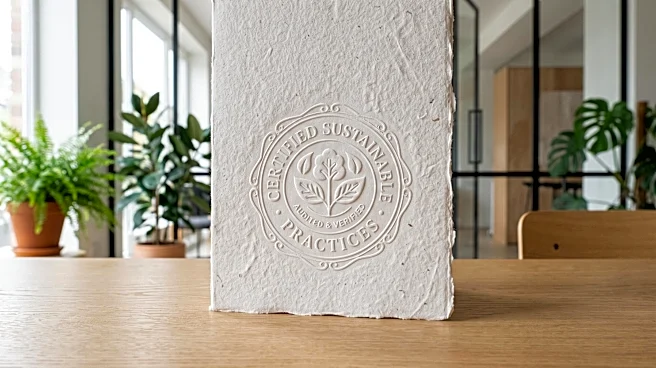
two decades of certification checklists, critics argue that the movement has not scaled true regenerative volume and has been susceptible to 'greenwashing.' This involves companies overstating their sustainability achievements to mislead consumers. The European Union's Empowering Consumers for the Green Transition (ECGT) directive now mandates that sustainability labels, including the B Corp mark, must be substantiated and clearly communicate their criteria. In response, the B Corp logo has been updated to include a URL directing consumers to a directory for detailed company information and certification specifics. This change aims to enhance transparency and address concerns about the credibility of sustainability claims in the market.
Why It's Important?
The challenges faced by the B Corp movement highlight a broader issue within corporate sustainability: the gap between commitment and verifiable impact. The rise of greenwashing undermines consumer trust and makes it difficult for genuinely sustainable businesses to differentiate themselves. For U.S. businesses, particularly those operating internationally or aspiring to, the European ECGT directive sets a precedent that could influence future regulations. This shift towards stricter substantiation of sustainability claims could impact how U.S. companies market their environmental and social initiatives, potentially requiring more robust data and transparent reporting. Companies that fail to adapt risk reputational damage and legal repercussions, while those that embrace genuine ecological accounting and stakeholder management could gain a competitive advantage by building stronger consumer loyalty and investor confidence.
What's Next?
The B Corp movement and other sustainability certification bodies will likely continue to evolve their standards and transparency mechanisms to meet increasing regulatory and consumer demands. Businesses, both within and outside the B Corp framework, will need to prioritize verifiable ecological accounting and genuine stakeholder engagement over transactional compliance. The updated B Corp logo, with its direct link to detailed company information, represents a step towards greater transparency, and similar initiatives may become more common across various sustainability certifications. Companies should anticipate a continued push for clearer, more substantiated sustainability claims, potentially leading to new industry standards and regulatory frameworks in the U.S. and globally. The focus will shift from mere 'brand badges' to demonstrable, measurable impact.
Beyond the Headlines
The debate surrounding the B Corp movement's effectiveness touches upon fundamental questions about the role of corporations in addressing global challenges like climate change. The critique suggests that relying solely on brand recognition and self-certification may not be sufficient to drive systemic change. Instead, a deeper shift towards 'real economic architecture' is advocated, emphasizing verifiable biophysical impact tracking and genuine relationship management with stakeholders. This implies a move beyond superficial corporate social responsibility to a more integrated approach where sustainability is embedded in core business operations and financial reporting. The ethical implications of greenwashing are significant, as it can divert resources and attention from truly impactful solutions, while also eroding public trust in corporate efforts towards a more sustainable future. The long-term success of corporate sustainability initiatives will depend on their ability to demonstrate tangible, measurable benefits.