





What's Happening?
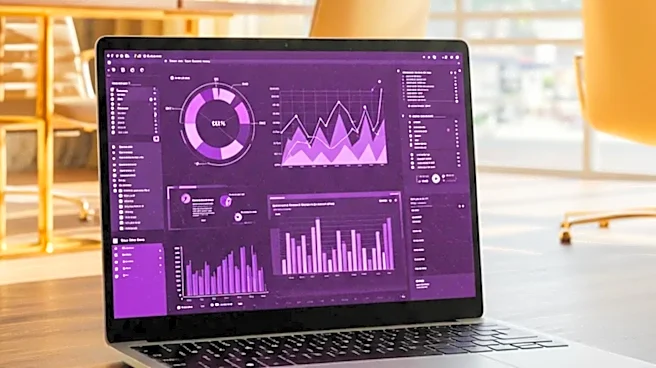
Modern agriculture is increasingly relying on farm management systems (FMS) to centralize and streamline various operational aspects. These software solutions integrate planning, field records, labor management, input tracking, and reporting into a single
platform. This digital approach replaces traditional methods like whiteboards, spreadsheets, and memory-based record-keeping. The software is designed to cater to the specific needs of farming, recognizing elements like crops, blocks, ranches, and fields as primary objects, and incorporating application records that meet regulatory standards. It also accounts for seasonal labor, equipment, and daily weather variables. By digitizing paperwork such as spray logs, harvest records, and safety documentation, FMS transforms compliance tasks into sources of valuable data, enabling data-driven decisions regarding inputs, timing, and cost.
Why It's Important?
The adoption of farm management software is crucial for enhancing the efficiency and productivity of U.S. agricultural operations. By consolidating diverse farm data, these systems reduce reliance on individual memory and fragmented records, minimizing errors and improving decision-making. This leads to more optimized resource allocation, better compliance with food safety and environmental regulations, and more accurate cost-per-acre reporting. For farmers, this means potential cost savings through better input management and increased yields due to more precise timing of operations. The shift towards digital farm management also supports the long-term sustainability of the agricultural sector by providing robust data for environmental impact assessments and resource conservation efforts. This technological advancement helps U.S. agriculture remain competitive and resilient in a global market.
What's Next?
The trend towards integrating more advanced technologies into farm management is expected to continue. Future developments may include enhanced predictive analytics, leveraging artificial intelligence to forecast crop yields, pest outbreaks, and optimal planting/harvesting times. There will likely be a greater emphasis on interoperability between different software modules, allowing for a more seamless flow of data across various farm functions, from irrigation scheduling to financial reporting. As regulatory requirements evolve, farm management software will also need to adapt to ensure ongoing compliance and provide more sophisticated tools for environmental monitoring and sustainability reporting. The industry will likely see continued innovation in user interfaces and mobile accessibility, making these powerful tools even more accessible to a wider range of farmers.
Beyond the Headlines
The widespread adoption of farm management software has deeper implications for the agricultural workforce and the broader rural economy. It necessitates a workforce with digital literacy and data analysis skills, potentially leading to new job opportunities in agricultural technology and data science, while also requiring existing farmers to adapt to new tools. This digital transformation could also contribute to a more transparent and traceable food supply chain, benefiting consumers by providing more information about the origin and production methods of their food. Furthermore, the data collected by these systems could be aggregated and analyzed at a larger scale, offering valuable insights for agricultural policy-making, research, and addressing national food security challenges. The ethical considerations around data ownership and privacy for farmers will also become increasingly important as these systems become more pervasive.