










What's Happening?
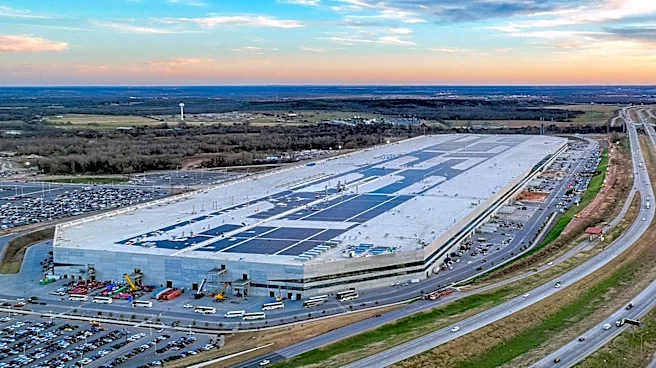
Toyota is set to expand its manufacturing operations in San Antonio, Texas, with the addition of a second vehicle assembly line. This expansion is expected to bring 2,000 new jobs to the region and involves a capital investment of $3.6 billion. The announcement
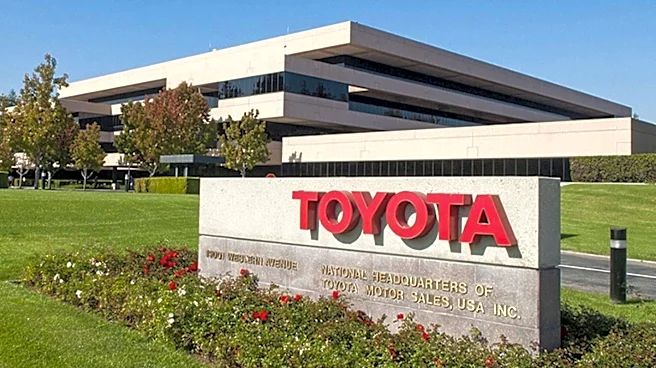
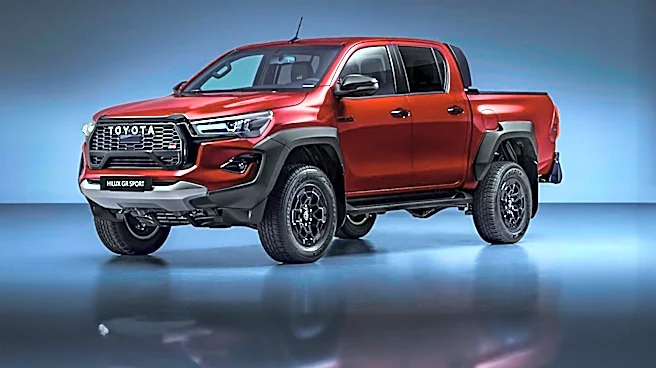
was made by Governor Greg Abbott, who highlighted the state's support for the project through a $20 million Texas Enterprise Fund grant and a $50,000 Veteran Created Job Bonus. Toyota's expansion will double its manufacturing footprint in San Antonio, where it has been operating for over two decades. The existing plant, which began production in 2006, currently employs about 6,100 workers who assemble Toyota Tundra and Sequoia vehicles. Additionally, 5,600 employees work for 23 suppliers located on-site. Toyota's North American headquarters is also located in Plano, Texas, employing approximately 6,600 people.
Why It's Important?
The expansion of Toyota's manufacturing operations in San Antonio is significant for several reasons. Economically, it represents a substantial investment in the region, contributing to job creation and economic growth. The addition of 2,000 jobs will have a positive impact on the local labor market and could stimulate further economic activity in the area. For Texas, this expansion reinforces the state's reputation as a hub for automotive manufacturing and highlights its ability to attract major investments from global companies. The support from the Texas Enterprise Fund and other incentives underscores the state's commitment to fostering a business-friendly environment. For Toyota, this move strengthens its manufacturing capabilities in North America, allowing it to meet growing demand and enhance its competitive position in the automotive industry.
What's Next?
While Toyota has not announced a specific timeline for the construction of the new assembly line, the expansion is expected to proceed in the coming years. The company will likely work closely with state and local officials to ensure a smooth implementation of the project. As the expansion progresses, there may be opportunities for local businesses to benefit from increased demand for goods and services related to the construction and operation of the new facilities. Additionally, the creation of new jobs could attract more residents to the area, potentially impacting housing and infrastructure needs. Stakeholders, including local government and community organizations, will need to plan for these changes to maximize the benefits of Toyota's investment.