




What's Happening?
Avatar fashion agencies are transforming modern fashion representation by specializing in digital characters for the industry. These agencies create digital avatars through 3D modeling and character customization, allowing brands to tailor representations
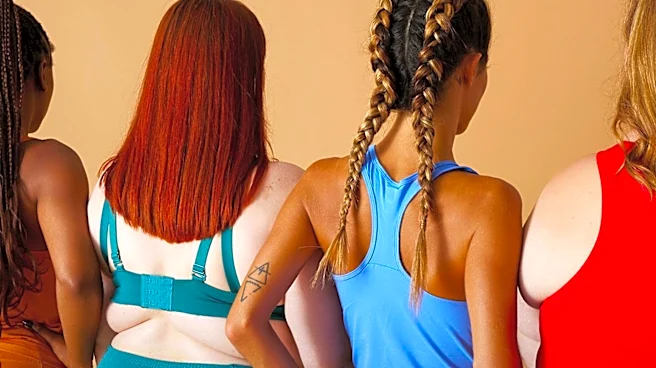
for specific campaign needs. They collaborate with fashion brands to align digital avatars with brand visions, facilitating virtual fashion shows and social media campaigns. This approach offers enhanced brand storytelling and targeted marketing, enabling brands to engage with consumers in virtual environments and the metaverse. The use of avatars provides diverse representation, showcasing various body types, ethnicities, and styles, and offers cost-effective solutions compared to traditional methods by reducing expenses associated with physical production.
Why It's Important?
The emergence of avatar fashion agencies marks a significant shift in the fashion industry's operational and marketing strategies. By leveraging digital avatars, brands can achieve greater inclusivity and diversity in their representation, catering to a broader and more modern audience. This is crucial in an era where consumers increasingly value authenticity and representation. The cost-effectiveness of digital campaigns and virtual shows provides a substantial economic advantage, allowing brands to allocate resources more efficiently. Furthermore, the ability to engage audiences in the metaverse and through immersive digital experiences opens new avenues for brand interaction and commerce, potentially leading to increased brand loyalty and market reach. This technological integration positions brands at the forefront of innovation, appealing to tech-savvy consumers.
What's Next?
The future of avatar fashion agencies will likely involve deeper integration with advanced technologies such as Artificial Intelligence (AI) for enhanced avatar realism and interaction, Augmented Reality (AR) for consumers to visualize fashion items, and Blockchain for secure ownership of digital fashion creations. Brands are expected to continue hosting virtual events and enabling virtual commerce within metaverse environments. The trend suggests a move towards more personalized avatars and enhanced user engagement through AR experiences. As technology advances, the distinction between traditional and avatar fashion agencies will become more pronounced, with brands needing to strategically choose approaches that align with their marketing goals and target demographics.
Beyond the Headlines
The revolution brought by avatar fashion agencies extends beyond technological advancements, impacting the very definition of fashion and modeling. The shift towards digital representation raises questions about the future of human models and the potential for job displacement. It also challenges traditional notions of beauty and body image, as avatars can be infinitely customized. The ethical implications of creating and manipulating digital identities, as well as data privacy concerns related to avatar creation, will become increasingly relevant. Culturally, the integration of fashion into virtual worlds and gaming platforms could lead to new forms of self-expression and identity formation, blurring the lines between physical and digital realities. This evolution could fundamentally reshape consumer expectations and the creative process within the fashion industry.