


What's Happening?
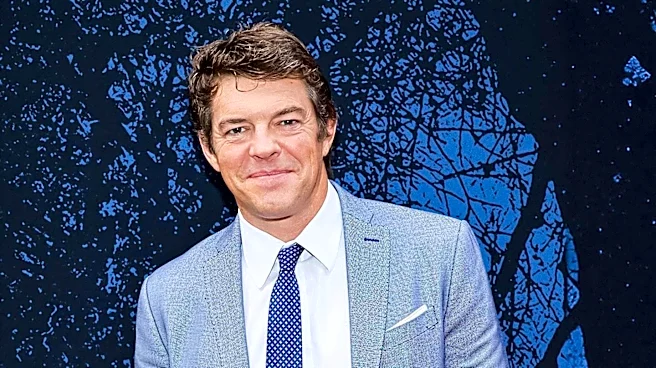
Danny McBride, co-writer of the 2018 'Halloween' film and its sequels, recently shared his initial reluctance to revive the iconic horror franchise. In an appearance on 'Conan O’Brien Needs a Friend,' McBride revealed that when director David Gordon Green
first proposed the idea, his immediate reaction was negative, stating, 'no way. We shouldn’t relaunch Halloween. It’s a terrible idea.' His apprehension stemmed from his deep love for the original 1978 film and a fear of mishandling such a beloved property. However, McBride's perspective shifted as he considered the possibility of creating a version that would genuinely resonate with fans. This led to him, Green, and Jeff Fradley developing the concept for the 2018 film, which served as a direct sequel to John Carpenter's original, disregarding all subsequent installments. McBride also recounted the nerve-wracking experience of pitching their vision directly to John Carpenter, describing it as a moment of immense pressure and excitement.
Why It's Important?
This account offers significant insight into the creative process behind the successful revival of a major horror franchise and the challenges of reinterpreting classic cinematic works. McBride's initial hesitation highlights the immense pressure and responsibility filmmakers face when tackling beloved properties, particularly those with a dedicated fanbase. His eventual embrace of the project, driven by a desire to create a worthy successor, underscores the importance of passion and respect for the source material in such endeavors. The story of pitching directly to John Carpenter, the original creator, emphasizes the critical role of securing the blessing of original artists for legacy projects. The success of the 2018 'Halloween' film, which grossed over $255 million worldwide and spawned two sequels, demonstrates that a thoughtful and fan-centric approach to reboots can resonate with audiences and critics alike, revitalizing dormant franchises and introducing them to new generations.
What's Next?
While the recent 'Halloween' trilogy, co-written by McBride, concluded with 'Halloween Ends,' the enduring popularity of the franchise suggests that future iterations are likely. McBride's experience provides a blueprint for how creators might approach subsequent reboots or continuations of classic horror properties. The success of his team's approach, which involved bringing back original cast members like Jamie Lee Curtis and securing the involvement of John Carpenter, sets a high bar for future attempts. Any new 'Halloween' projects will likely be scrutinized against the standard set by this trilogy, particularly regarding their faithfulness to the original spirit and their ability to innovate while respecting established lore. The narrative of a lifelong fan taking the reins of a beloved franchise could also inspire similar approaches in other long-running series.
Beyond the Headlines
McBride's journey from fan to co-creator of the 'Halloween' franchise delves into the complex relationship between creators, their work, and the audience. His initial fear of 'getting it wrong' reflects a common sentiment among fans who are protective of their cherished stories. This dynamic highlights the cultural significance of iconic films and characters, which often transcend mere entertainment to become part of collective memory and identity. The decision to ignore previous sequels and return to the original's narrative thread speaks to a broader trend in franchise filmmaking: a desire to simplify convoluted timelines and re-establish a clear connection to the foundational work. This approach can be seen as a way to honor the legacy while also making the franchise more accessible to new viewers, demonstrating a strategic balance between nostalgia and contemporary storytelling.