





What's Happening?
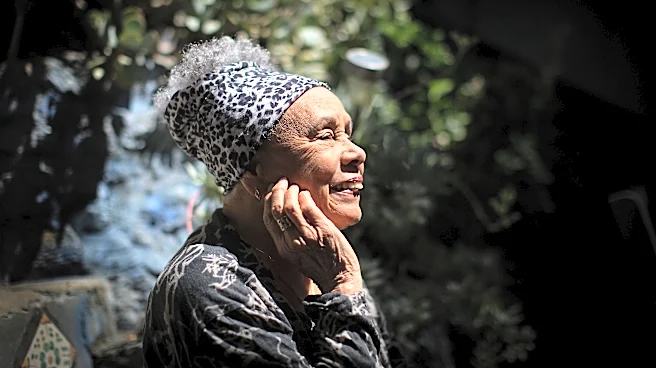
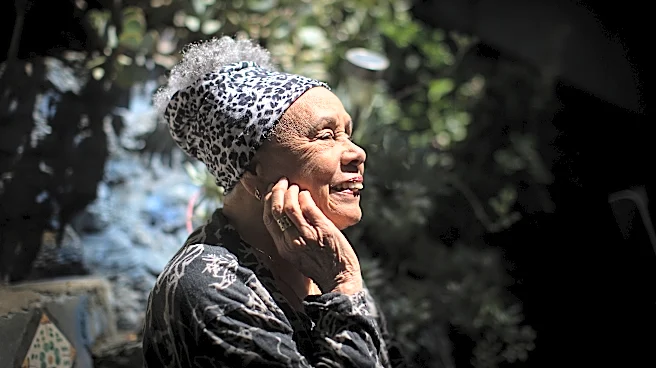
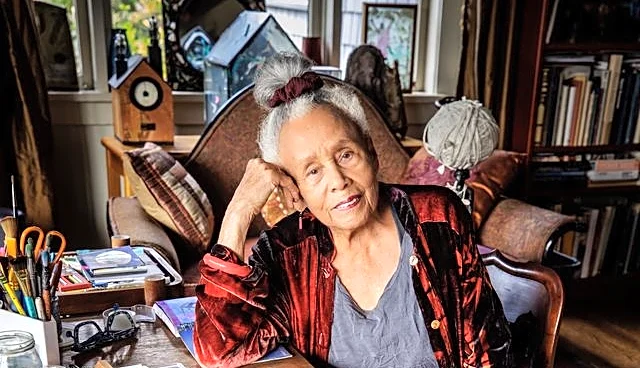
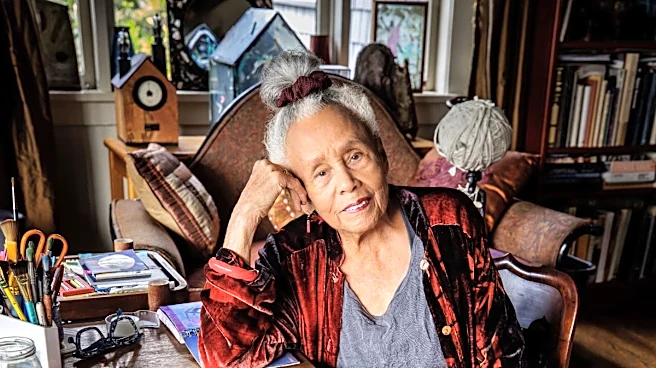
Betye Saar, a pivotal figure in the Black Arts Movement and a pioneer of assemblage art, has passed away at the age of 99. Known for her use of repurposed objects to challenge stereotypes about Black identity and women, Saar's work gained prominence with
her 1972 piece 'The Liberation of Aunt Jemima.' This artwork reimagined the 'mammy' figure, transforming it into a symbol of empowerment and resistance. Saar's career began in design and printmaking, but she became renowned for her assemblages, which utilized everyday items to create three-dimensional art. Her work has been featured in prestigious museums, including the Los Angeles County Museum of Art and the Whitney Museum of American Art.
Why It's Important?
Betye Saar's contributions to art and culture are significant, as she used her work to confront and dismantle racist imagery, promoting Black empowerment and resilience. Her innovative approach to art, particularly through assemblage, has inspired countless artists to explore themes of identity and social justice. Saar's legacy is not only in her art but also in her influence on future generations of artists who continue to address issues of race and identity through their work. Her passing marks the end of an era, but her impact on the art world and society at large remains profound.