
What's Happening?
A study conducted in Türkiye involving 607 women aged 18 to 30 has found a correlation between higher consumption of ultra-processed foods and more severe premenstrual syndrome (PMS) symptoms. Researchers
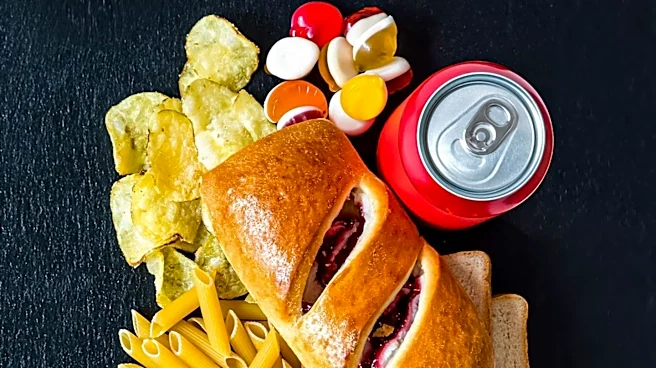
observed that women who frequently ate items like sugary soft drinks and certain packaged snacks tended to report worse PMS symptoms, including pain, changes in sleep, and appetite. The study also investigated eating habits, noting that women who were less likely to immediately act on food urges or judge themselves for their eating choices reported milder symptoms. Conversely, following a Mediterranean diet showed no clear association with PMS symptom severity in this analysis. Nutrition researcher Ziya Erokay Metin highlighted that while the association with ultra-processed foods was present, it was relatively small after accounting for other factors like overall diet, eating habits, age, and menstrual regularity. The study relied on self-reported data and could not establish a causal link, leaving open whether reducing these foods would alleviate PMS.
Why It's Important?
This research contributes to the growing body of evidence suggesting that dietary choices can influence women's health, specifically regarding PMS. The findings, while not conclusive on causality, highlight the potential impact of ultra-processed foods on symptom severity. For U.S. consumers, where ultra-processed foods are a significant part of the diet, this study could encourage a re-evaluation of dietary habits. Public health initiatives and dietary guidelines might consider these findings when advising women on managing PMS. The emphasis on eating habits, such as non-reactance and non-judgment towards cravings, also points to the psychological aspects of food consumption and their role in symptom experience. This could lead to more holistic approaches to PMS management that combine nutritional advice with mindful eating strategies, potentially reducing reliance on symptomatic treatments and improving overall well-being for a significant portion of the female population.
What's Next?
The researchers plan to conduct further studies to establish a clearer understanding of the relationship between diet and PMS. The next steps involve following women across multiple menstrual cycles, asking them to record daily food intake, cravings, and symptoms. This longitudinal approach aims to determine whether changes in eating patterns precede increases in PMS symptoms or if worsening symptoms lead to altered food choices. Ultimately, a randomized trial assigning participants to different diets could test whether specific dietary changes effectively ease PMS symptoms. Such future research could provide more definitive guidance for healthcare professionals and individuals seeking to manage PMS through dietary interventions. If a causal link is established, it could lead to more targeted nutritional recommendations and public health campaigns aimed at reducing ultra-processed food consumption among women experiencing PMS.
Beyond the Headlines
The study subtly touches upon the broader implications of modern dietary patterns and their impact on health beyond just weight or chronic diseases. The finding that mindful eating habits—specifically non-reactance to cravings and non-judgment about food choices—are linked to milder PMS symptoms suggests a deeper connection between psychological well-being, eating behavior, and physiological experiences. This goes beyond simple nutritional intake, hinting at the role of emotional regulation and self-perception in health outcomes. In a society often grappling with disordered eating and body image issues, these insights could foster a more compassionate and effective approach to dietary advice, moving beyond restrictive diets to embrace mindful consumption. It also underscores the complexity of PMS, indicating that it's not solely a hormonal or physiological issue but one influenced by a confluence of dietary, psychological, and lifestyle factors, necessitating a multi-faceted approach to its understanding and management.