








What's Happening?
U.S. engineering group Fluor is in competition with a former Australian partner, Iluka Resources, for the rights to develop Kenya’s Mrima Hill mineral deposit. Fluor, alongside Tetra Tech, is part of a bid by Meridian Mineral Holdings. Iluka Resources, which
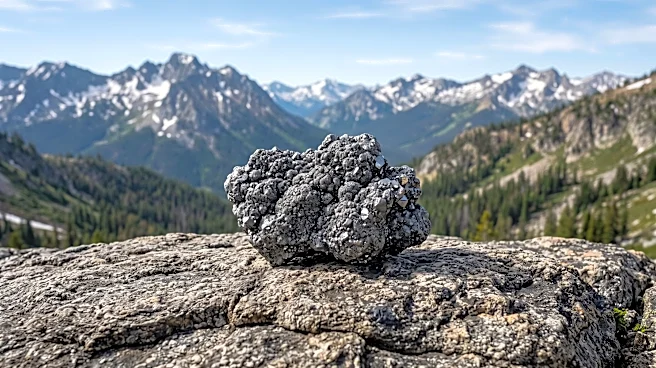
previously collaborated with Fluor on the Eneabba rare earths refinery in Western Australia, has teamed up with Australian miner RareX. These two consortia are among five groups that submitted tenders on October 21, following the withdrawal of two Chinese companies, as confirmed by Mining Cabinet Secretary Hassan Ali Joho. Kenya is seeking a developer for rare earths and niobium at Mrima Hill, located in Kwale County. The deposit contains critical minerals such as neodymium, used in powerful magnets, and niobium, essential for strengthening steel. A key point of contention has emerged regarding the processing technology developed for the Eneabba refinery, with Iluka Resources asserting that Fluor does not hold a license to use its intellectual property and warning of potential legal action if the technology is applied to the Mrima Hill project.
Why It's Important?
This competition for Kenya's Mrima Hill deposit is highly significant for U.S. strategic interests and the global critical minerals supply chain. The deposit contains neodymium and niobium, both vital for advanced technologies, defense applications, and the burgeoning green energy sector. Securing access to diverse sources of these minerals is a priority for the U.S. to reduce reliance on dominant suppliers and enhance supply chain resilience. The involvement of U.S. firms like Fluor and Tetra Tech underscores the strategic importance of this project. However, the intellectual property dispute between Fluor and Iluka Resources highlights a growing challenge in the critical minerals sector: the ownership and transfer of specialized processing technologies. Such disputes can complicate project development, delay the entry of new supply, and potentially increase costs. For U.S. industries, securing a stable and diversified supply of rare earths and niobium is crucial for maintaining technological leadership and economic security, making the outcome of this tender and the resolution of IP concerns closely watched developments.
What's Next?
Mining Cabinet Secretary Hassan Ali Joho stated on October 30 that Kenya expects to select a developer for the Mrima Hill deposit within two to three weeks. This decision will be closely watched by the competing consortia, the U.S. government, and the global mining industry. Should Fluor and Meridian Mineral Holdings be selected, the intellectual property dispute with Iluka Resources could escalate, potentially leading to legal challenges that might impact the project's timeline and feasibility. Conversely, if the Iluka Resources and RareX consortium wins, the IP issue might be mitigated. Beyond the two main contenders, three other groups remain in contention: Frontier Minerals (including U.S. rare earths processor ReElement Technologies), Critical Metals Corp (leading the Mrima Earth consortium), and Gem of Dreams (a Kenyan and British joint venture). The chosen developer will face the complex task of economically extracting and processing the minerals, while also addressing local community concerns, particularly regarding the sacred Mrima Hill Kaya forest shrine located within the deposit area.
Beyond the Headlines
The competition for Kenya's Mrima Hill deposit illuminates several deeper implications beyond immediate economic gains. The intellectual property dispute underscores the increasing value and strategic importance of proprietary processing technologies in the critical minerals sector. As nations strive for greater self-sufficiency in mineral supply chains, the control over advanced extraction and refining methods becomes a significant competitive advantage and a potential source of international friction. Ethically, the project raises concerns about balancing economic development with environmental preservation and cultural heritage, given the presence of the sacred Mrima Hill Kaya shrine. The valuation of the deposit, estimated at $62 billion in 2013, also highlights the speculative nature of mineral wealth, as the actual economic viability depends heavily on extraction and processing costs, which are often underestimated. This situation reflects a broader global trend where developing nations with significant mineral resources are seeking to maximize their benefits, often navigating complex international partnerships and technological challenges while striving for sustainable development.