






What's Happening?
Gold prices have experienced a significant rally, closing at $4,342, marking a 7.31% weekly gain. This surge is attributed to several factors, including a dovish Federal Open Market Committee (FOMC), potential geopolitical developments in the Strait of
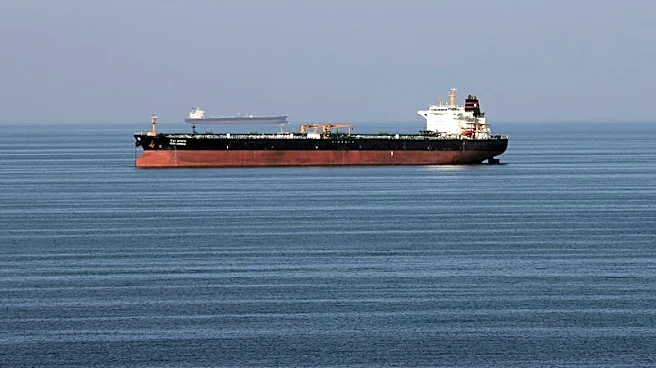
Hormuz, and disappointing U.S. nonfarm payroll data. The rally is further supported by China's continued gold purchases. The geopolitical tension involves Iran's demands for U.S. concessions in exchange for reopening the Strait of Hormuz, affecting oil prices and, consequently, gold prices.
Why It's Important?
The rise in gold prices reflects investor sentiment amid economic uncertainties and geopolitical tensions. Gold is traditionally seen as a safe-haven asset, and its increased demand indicates concerns over economic stability and potential inflation. The situation in the Strait of Hormuz could have significant implications for global oil supply, influencing broader economic conditions. The U.S. labor market's weak performance adds to the uncertainty, affecting monetary policy decisions and investor strategies.
What's Next?
Investors are advised to consider buying gold on dips rather than chasing the rally, given the volatile economic environment. The ongoing geopolitical developments in the Middle East and their impact on oil prices will be closely monitored. Upcoming U.S. economic data releases, including inflation and retail sales figures, will provide further insights into the economic outlook and potential Federal Reserve actions. The situation underscores the need for investors to remain vigilant and adaptable to changing market conditions.