

What's Happening?
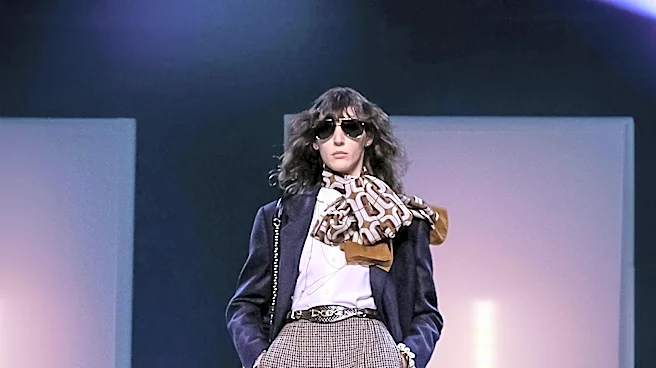
The fashion industry distinguishes between editorial models and fashion models based on their primary purpose and required skill sets. Editorial models are primarily involved in artistic storytelling, appearing in high-fashion magazines and concept-driven
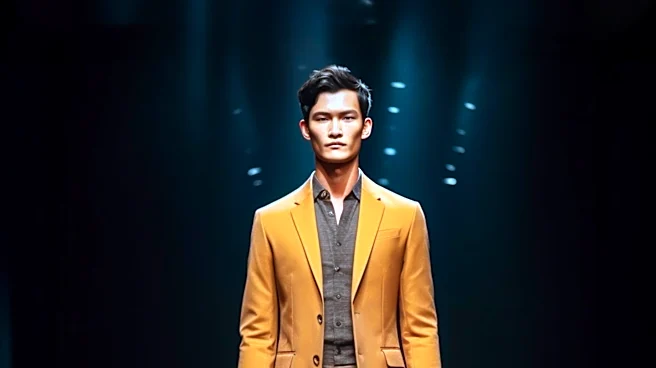
projects where the focus is on creativity rather than direct commercial advertisement. They require strong abilities in facial expressions and body language to convey complex themes and often have a versatile look adaptable to various styles. In contrast, fashion models aim to promote and sell clothing, accessories, and brands in commercial settings, including advertising campaigns, catalog shoots, and runway shows. Their primary objective is to showcase products effectively, often requiring technical skills for walking and posing that highlight merchandise. Fashion models typically possess a commercial appeal aligned with marketing strategies and work directly with brands to influence consumer perceptions. While some models can cross over between both categories, adapting their styles and skills, their fundamental roles and engagement with brands differ significantly.
Why It's Important?
Understanding the distinctions between editorial and fashion models is crucial for the U.S. fashion industry, impacting brand strategies, marketing effectiveness, and model career paths. For brands, selecting the appropriate type of model ensures that their campaigns align with their objectives, whether it's artistic brand building or direct product sales. Misalignment can lead to ineffective marketing and wasted resources. For models, this differentiation clarifies career trajectories and the specific skills they need to cultivate, influencing their training and portfolio development. The emphasis on artistic storytelling for editorial models highlights the industry's need for creative expression and conceptual depth, while the commercial focus of fashion models underscores the economic drivers of the industry. This distinction also affects how modeling agencies scout and develop talent, ensuring they match models with suitable opportunities. Ultimately, this clarity helps optimize resource allocation, enhances creative output, and drives commercial success within the competitive U.S. fashion market.
What's Next?
The clear delineation between editorial and fashion models will likely continue to shape talent development and marketing strategies in the U.S. fashion industry. Modeling agencies will further refine their scouting and training programs to cultivate specialized skills for each category. Brands may increasingly seek models with specific expertise, leading to more targeted casting calls and collaborations. We might also see the emergence of hybrid roles as models adapt to the evolving demands of both artistic and commercial projects, requiring a broader range of skills. Educational institutions and workshops focused on modeling may also incorporate more specialized training modules to prepare aspiring models for these distinct career paths. Furthermore, as digital platforms and social media continue to influence fashion, the lines between editorial and commercial content might blur in new ways, prompting ongoing re-evaluation of these roles.
Beyond the Headlines
The distinction between editorial and fashion models reflects a broader tension within the fashion industry between art and commerce. Editorial work often serves as the avant-garde, pushing creative boundaries and setting trends, while commercial fashion translates these trends into marketable products. This dynamic is essential for the industry's innovation and economic viability. Culturally, editorial models, through their artistic storytelling, can influence societal perceptions of beauty, style, and identity, often challenging conventional norms. Fashion models, on the other hand, directly shape consumer desires and purchasing habits, reflecting and reinforcing mainstream trends. The ability of some models to transition between these roles highlights the versatility and adaptability required in a rapidly changing industry. This ongoing interplay between artistic vision and commercial imperative underscores the complex nature of fashion as both a creative endeavor and a powerful economic force, continually negotiating its identity at the intersection of art, culture, and business.