



What's Happening?
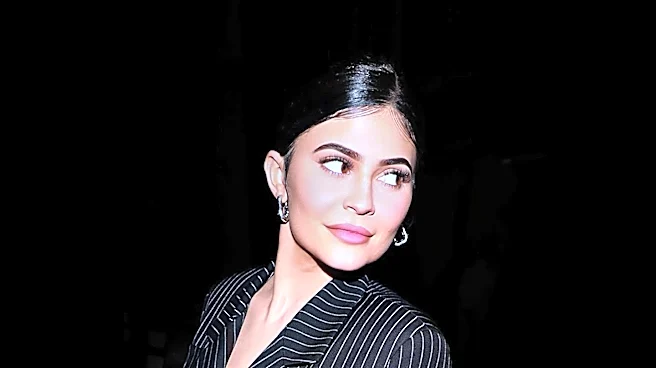
A viral social media post has falsely claimed that actor Timothée Chalamet revealed fertility struggles and plans to adopt a child with Kylie Jenner. The post included a fabricated quote attributed to Chalamet, stating, “We have decided to consider adopting
a child together because my fertility challenges have made it difficult for us to conceive naturally. Despite our unsuccessful attempts, I still believe we can build the beautiful family we dream of.” This claim, which gained tens of thousands of views, was accompanied by an AI-generated image of the couple with a child. Fact-checking has confirmed that there are no official statements, announcements, interviews, or social media posts from either Chalamet or Jenner supporting these claims. The image itself was identified as AI-generated, based on an original candid photo of the couple from June, which was then altered. Furthermore, Kylie Jenner has recently indicated that having another child is not an immediate priority for her, expressing a desire to enjoy her late 20s and be selective about future major commitments that would take her away from her existing children.
Why It's Important?
This incident highlights the pervasive issue of misinformation and fabricated content on social media platforms, particularly concerning public figures. The rapid spread of such false claims can lead to public confusion, unwarranted speculation, and potential reputational damage for the individuals involved. For consumers of news, it underscores the critical need for media literacy and skepticism towards unverified viral content. The use of AI to generate convincing but fake images further complicates the landscape, making it harder for the average user to distinguish between genuine and fabricated content. This trend can erode trust in online information sources and create a challenging environment for accurate reporting, impacting how the public perceives celebrity news and personal narratives. The ease with which such stories gain traction also demonstrates the power of social media algorithms to amplify unverified information, often without sufficient scrutiny.
What's Next?
In the immediate future, it is likely that similar fabricated stories involving celebrities will continue to circulate on social media, given the ease of creating and disseminating AI-generated content. Social media platforms may face ongoing pressure to implement more robust fact-checking mechanisms and AI detection tools to combat the spread of misinformation. For public figures like Timothée Chalamet and Kylie Jenner, they may need to continue to navigate and potentially address false narratives that emerge, either directly or through their representatives. The public will increasingly need to rely on reputable news sources and critical thinking to discern truth from fiction. This event could also prompt further discussions within the tech and media industries about the ethical implications of AI image generation and the responsibility of platforms in curating content.
Beyond the Headlines
The proliferation of AI-generated images and fabricated narratives, as seen in this case, points to a broader societal challenge regarding digital authenticity. Beyond celebrity gossip, this technology has implications for political discourse, public trust, and even legal contexts, where deepfakes could be used to create false evidence. The incident underscores a growing digital literacy gap, where many users may not possess the tools or awareness to identify AI-generated content. This could lead to a future where distinguishing between reality and simulation becomes increasingly difficult, impacting everything from personal relationships to national security. The ethical responsibility of AI developers and the regulatory frameworks around AI-generated content will become increasingly critical to address these emerging challenges and safeguard the integrity of information in the digital age.