




What's Happening?
The Los Angeles Angels are undergoing a significant top-to-bottom transformation following a franchise-record 100-loss season. The team's front office is currently being steered by interim general manager John Mozeliak, with a vacant managerial position
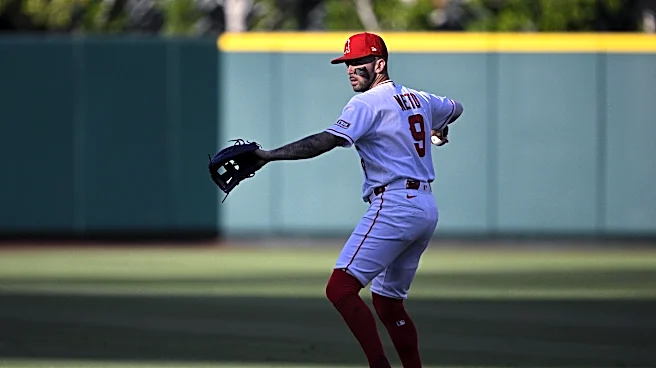
yet to be filled. The primary objective for the Angels as they build for the future is to drastically improve their defense and on-base skills. Despite losing 100 games, the Angels were only outscored by a combined 97 runs throughout the entire season, indicating that many losses were by a narrow margin. This suggests that better run prevention through improved defense could have converted close losses into wins. The team's defense was rated among the worst in the league, highlighting a critical area for immediate attention. The Angels are also looking to address numerous other roster needs, including left-handed bats, a center fielder, bullpen upgrades, and potential improvements at multiple infield positions and catcher.
Why It's Important?
The Angels' current state of flux is significant for the team's future competitiveness and its standing within Major League Baseball. A complete organizational overhaul, from the front office to the coaching staff and player roster, signals a long-term commitment to rebuilding. The focus on defense and on-base skills reflects a strategic shift towards fundamental baseball, aiming to create a more consistent and resilient team. Improving these areas is crucial for turning around their performance, as the narrow margin of their losses indicates that even marginal improvements could yield substantial results. The team's ability to attract and integrate new talent, particularly in key defensive positions, will determine how quickly they can emerge from their rebuilding phase and become a contender in the American League. The decisions made this offseason will set the tone for the franchise for years to come, impacting fan engagement and revenue.
What's Next?
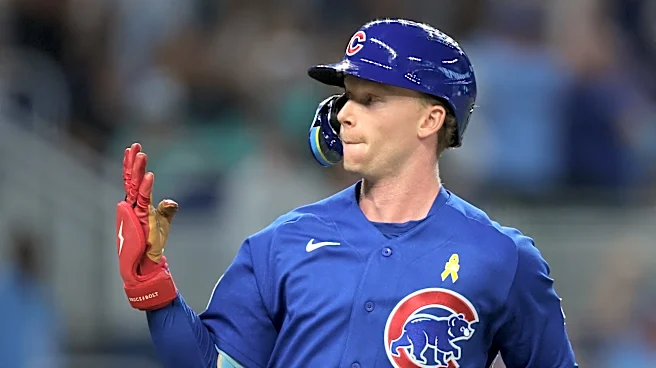
The Angels' immediate next steps involve filling the vacant managerial position and making strategic personnel decisions under interim general manager John Mozeliak. The team is expected to actively pursue free agents and potential trade targets who can bolster their defense and on-base capabilities. One specific target identified is Ian Happ, a switch-hitting outfielder known for his elite defense and positional versatility, who is available without requiring the forfeiture of draft capital. The Angels also need to address significant gaps in their roster, including left-handed hitting, center field, bullpen, and potentially three out of four infield positions, as well as catcher. The new leadership team will also need to evaluate the existing young prospects and determine how they fit into the long-term plans, particularly in the pitching rotation. The timing of new owner Stan Kroenke taking over after January 1 adds another layer of complexity to the offseason decisions.
Beyond the Headlines
The Angels' extensive rebuilding effort goes beyond just on-field performance; it represents a critical juncture for the franchise's identity and future direction. The emphasis on fundamental improvements like defense and on-base skills suggests a move away from a reliance on individual star power, which has not translated into consistent team success in recent years. This strategic shift could lead to a more balanced and sustainable team model. The challenge lies in executing this vision effectively, especially with a new ownership group and front office leadership. The decisions made regarding player acquisitions and development will not only impact the team's win-loss record but also its ability to cultivate a winning culture and re-engage its fan base. The long-term success of this overhaul will serve as a case study in sports management, demonstrating whether a comprehensive, ground-up rebuild can effectively transform a struggling franchise.