


What's Happening?
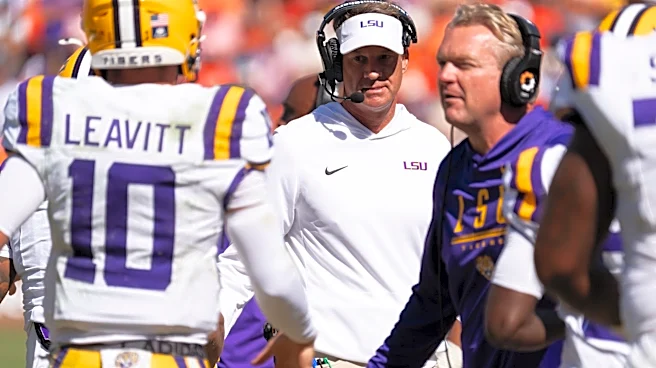
A preliminary injunction hearing for RJ Luis Jr. is scheduled for November 13. The context of this hearing appears to involve LSU and potential eligibility issues. Discussions suggest that LSU's strategy in this situation is complex, where both a loss
and a win in certain legal scenarios could still benefit the university. The core issue revolves around whether Luis will be able to suit up and play, particularly in relation to SEC rules and a federal case. LSU's argument for dismissing the federal case hinges on its compliance with SEC regulations, implying that if Luis is not rostered or played, the federal case remains moot. However, if a court orders LSU to roster Luis, it could complicate the federal case, as the SEC might argue LSU would then be breaking SEC rules, potentially locking Luis out of play despite a possible eventual SEC loss in court. The situation highlights a legal entanglement between state court rulings, SEC regulations, and federal case implications regarding player eligibility.
Why It's Important?
This situation is important because it illustrates the intricate legal challenges that can arise in collegiate sports, particularly concerning player eligibility and the interplay between university policies, conference rules, and judicial decisions. The outcome of this hearing could set precedents for how similar disputes are handled in the future, affecting student-athletes' ability to compete and institutions' autonomy in managing their rosters. For LSU, the case represents a delicate balance of legal strategy, aiming to navigate potential contempt charges from a state court while adhering to SEC regulations and avoiding complications in a federal case. The broader implications extend to the power dynamics between athletic conferences and individual universities, as well as the legal avenues available to student-athletes seeking to challenge eligibility restrictions. The resolution will likely influence how other universities and conferences approach similar legal challenges, potentially shaping future policies on player transfers and eligibility.
What's Next?
The immediate next step is the preliminary injunction hearing scheduled for November 13. The outcome of this hearing will significantly influence the subsequent actions of all parties involved. If the court issues a strong ruling compelling LSU to roster Luis, it could immediately impact the federal case, potentially making it no longer moot. This would likely lead to the SEC arguing that LSU would be violating conference rules, which could further delay Luis's ability to play. Conversely, if the court's finding is less definitive but Luis is deemed eligible, LSU might still choose not to roster him to maintain its argument that the federal case is moot. Should the federal judge dismiss the Birmingham case, and Luis subsequently plays, the SEC is expected to refile its federal case. Therefore, the hearing on November 13 is a critical juncture that will determine the immediate legal and athletic future for RJ Luis Jr. and LSU.
Beyond the Headlines
Beyond the immediate legal proceedings, this case touches upon deeper issues within collegiate athletics, including the balance of power between student-athletes, universities, and athletic conferences. It highlights the increasing legal scrutiny applied to eligibility rules and the potential for judicial intervention in what were once considered purely internal athletic matters. The scenario also raises questions about the fairness and consistency of eligibility rules across different conferences and the extent to which these rules can be challenged in court. The outcome could influence how student-athletes perceive their rights and recourse options when facing eligibility disputes, potentially leading to more legal challenges in the future. Furthermore, it underscores the financial and reputational stakes involved for universities in such legal battles, as they navigate complex legal landscapes while trying to maintain competitive athletic programs and adhere to various regulatory bodies. This case could contribute to a broader re-evaluation of governance structures in college sports.