






What's Happening?
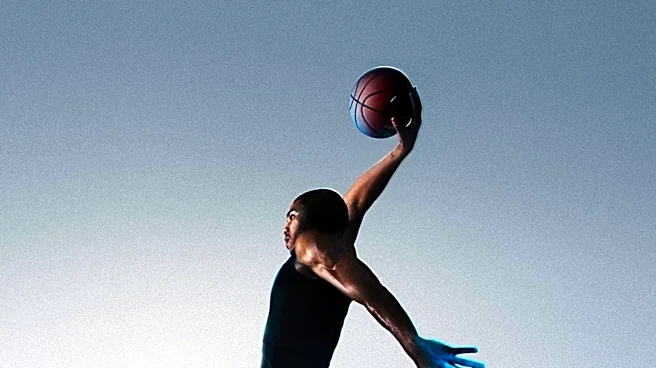
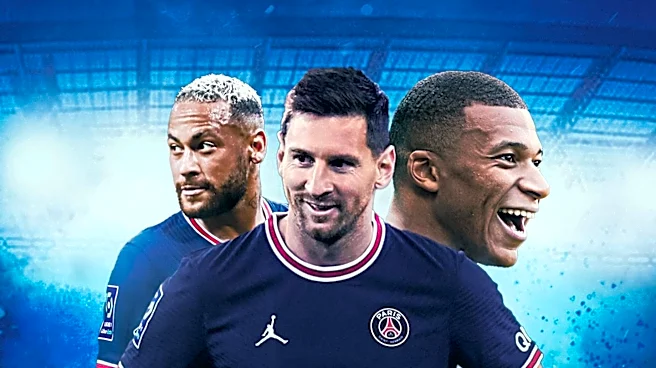
Paris Saint-Germain (PSG) and Jordan Brand have officially unveiled their new third kit for the 2026-2027 season, alongside a comprehensive lifestyle collection. The launch event was conceptualized as a journey connecting Abidjan, Dakar, Casablanca, and Paris,
celebrating the diverse cultures that influence football. The collection draws inspiration from 1990s sportswear aesthetics, featuring oversized silhouettes and relaxed fits in jackets, hoodies, t-shirts, and trousers, complemented by performance and training apparel. The new kit and collection are now available through official PSG online and physical stores, the online Nike store, and the Nike House of Innovation in Paris. This initiative involved creatives Djibril94260, Zepeck, Daddy Chulo, and Aché Issakha, who traveled to meet individuals shaping local football culture and PSG's fan base in Africa, including the Abidjan Supporters Club, young players from the PSG Academy in Saly, Senegal, and PSG Legends Amara Diané, Bonaventure Kalou, and Oumar Dieng. Their experiences, shared across social media, highlighted the richness of these local scenes and African cultures' contribution to global football.
Why It's Important?
This collaboration between Paris Saint-Germain and Jordan Brand extends beyond typical sports merchandise by integrating cultural exploration and lifestyle fashion. For U.S. consumers and the broader market, this signifies a growing trend of sports brands leveraging global cultural narratives to enhance product appeal and market reach. The 1990s sportswear aesthetic taps into a popular retro fashion trend, potentially attracting a wider demographic beyond traditional football fans. The involvement of social media creatives and the emphasis on diverse cultural influences also reflect modern marketing strategies aimed at fostering deeper connections with global audiences. This approach could influence how other major sports franchises and apparel brands develop future collections, emphasizing storytelling and cultural integration to drive sales and brand loyalty in a competitive global market. The collection's availability through Nike's extensive retail network, including the Nike House of Innovation in Paris, ensures broad accessibility for international consumers, including those in the U.S. who follow global fashion and sports trends.
What's Next?
Following the launch, the new third kit and the Paris Saint-Germain x Jordan Brand collection are expected to be promoted through various channels, including social media campaigns featuring the creatives involved in the journey. The focus will likely shift to consumer engagement and sales performance, particularly in key markets. The success of this culturally integrated launch could set a precedent for future collaborations between sports teams and fashion brands, potentially leading to more extensive lifestyle collections that blend athletic wear with broader fashion trends. The 'final stop' in Paris, bringing together the encounters and influences discovered throughout the journey, suggests ongoing efforts to celebrate the diversity of cultures and communities that fuel the passion for Paris Saint-Germain globally. This strategy aims to solidify PSG's brand identity not just as a football club, but as a cultural icon in the intersection of sports, style, and creativity.
Beyond the Headlines
The collaboration between Paris Saint-Germain and Jordan Brand represents a significant evolution in sports marketing, moving beyond simple endorsements to create a narrative-driven product launch. By connecting the kit's unveiling with a journey through African cities, the brands are tapping into the rich cultural tapestry of football's global fan base. This approach highlights the ethical dimension of acknowledging and celebrating the diverse origins and influences that shape the sport, rather than solely focusing on commercial aspects. It also underscores a long-term shift in how sports entities engage with their audience, transforming fans into participants in a broader cultural experience. The emphasis on '90s sportswear aesthetics also reflects a cyclical nature of fashion, where past trends are reinterpreted for contemporary appeal, demonstrating how cultural nostalgia can be a powerful marketing tool. This strategy could inspire other sports organizations to explore similar culturally immersive and ethically conscious marketing campaigns, fostering deeper connections with their global communities.