


What's Happening?
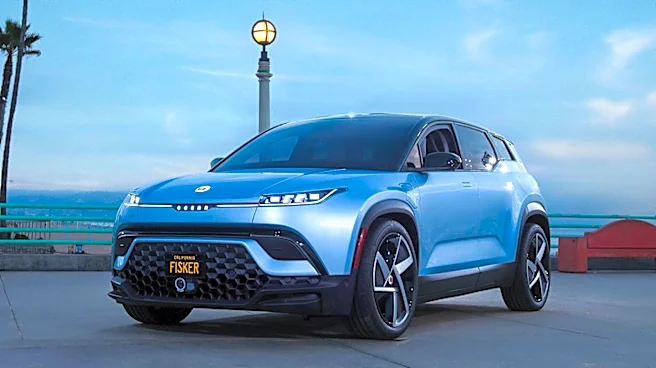
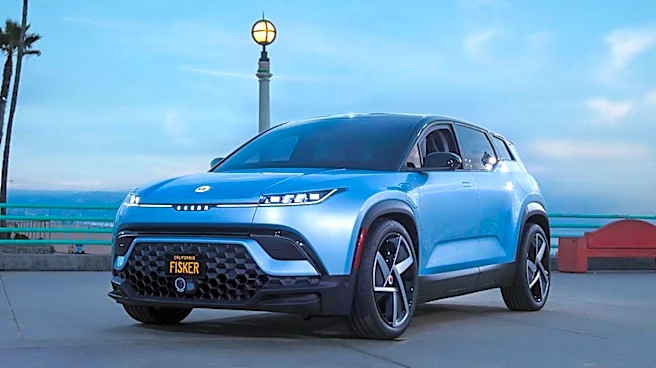
Fisker Inc., the American electric vehicle automaker founded by Henrik Fisker and Geeta Gupta-Fisker, initiated Chapter 11 bankruptcy proceedings in June 2024. The process began with its subsidiary, Fisker Group Inc., filing on June 17, 2024, followed
by Fisker Inc. and other U.S. subsidiaries on June 19. These cases are being jointly administered. This marks the second venture by Henrik Fisker to face bankruptcy, following Fisker Automotive's bankruptcy in 2013. The current filing comes after significant production of over 10,000 Fisker Ocean SUVs in 2023, but only approximately 4,700 deliveries, indicating a substantial gap between manufacturing output and customer transactions. The company's financial distress was exacerbated by high cash consumption, difficulties in vehicle delivery, and the inability to secure a crucial investment from another automaker. Fisker Inc. had previously secured a federal loan of up to US$528.7 million to support the production of its low-emission models.
Why It's Important?
The bankruptcy of Fisker Inc. highlights the significant challenges faced by new entrants in the competitive electric vehicle market, particularly in scaling production and establishing efficient delivery networks. This event underscores the capital-intensive nature of automotive manufacturing and the difficulties in transitioning from design and production to successful market penetration and sustained sales. For consumers, the bankruptcy raises concerns about warranty support, parts availability, and service for existing Fisker Ocean owners. For the broader EV industry, it serves as a cautionary tale regarding the complexities of market entry, financial management, and operational execution, even with innovative products and substantial initial funding. The failure to secure additional investment also points to a cautious investment climate for EV startups facing operational hurdles, potentially impacting future funding opportunities for other emerging automotive companies.
What's Next?
The Chapter 11 bankruptcy proceedings for Fisker Inc. will involve a restructuring of its debts and assets, aiming to either reorganize the company or liquidate its assets to repay creditors. The immediate future will likely see efforts to manage existing inventory, address customer concerns regarding delivered vehicles, and potentially seek buyers for its remaining assets or intellectual property. The impact on its manufacturing partner, Magna, which collaborated on the Ocean, is also a point of consideration, as Magna's financial reports for 2026 already note impacts related to Fisker in its 'Other expense, net' category. The outcome of the bankruptcy will determine the fate of the Fisker brand and its technologies, and whether any part of the company can emerge in a new form or if its assets will be absorbed by other entities in the automotive sector.
Beyond the Headlines
The repeated bankruptcy of ventures led by Henrik Fisker raises broader questions about the sustainability of startup automotive companies, particularly those heavily reliant on design-led strategies without robust operational and financial foundations. This situation underscores the critical difference between designing an appealing vehicle and building a resilient business capable of mass production, distribution, and long-term customer support. The challenges faced by Fisker Inc. reflect a systemic issue within the EV startup landscape, where significant capital is required not just for innovation but also for establishing complex supply chains, manufacturing processes, and after-sales service networks. The case may influence future investor appetite for high-risk, high-reward ventures in the automotive sector, potentially leading to more stringent due diligence and a greater emphasis on proven operational capabilities alongside technological innovation.