







What's Happening?
Buckhead resident Imani Murray has launched The Self Care Lab, a community-centered initiative aimed at making self-care more accessible, social, and enjoyable. Murray, who has a background in public relations, communications, and marketing, founded the
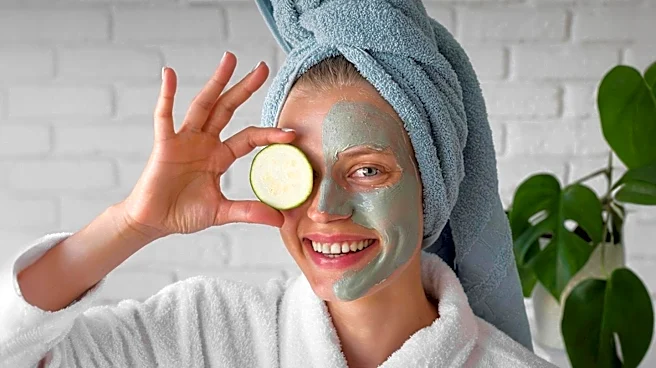
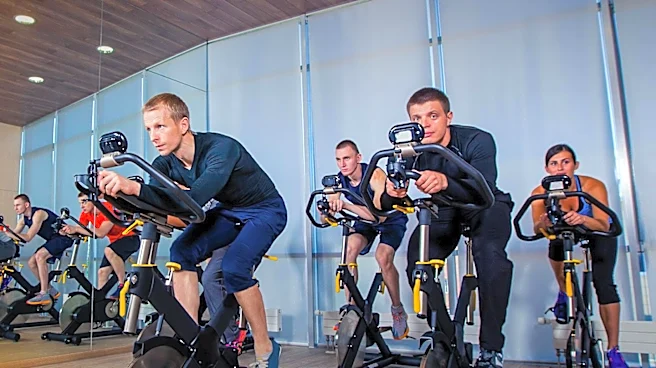
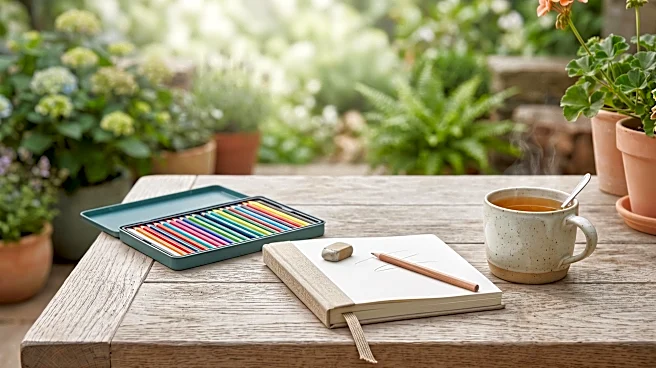
concept in 2024 after noticing a widespread need for people to prioritize their well-being amidst busy lives. The Self Care Lab organizes various group self-care experiences, including Pilates classes, walking clubs, mocktail making, and coloring events. These activities are designed to foster community and provide opportunities for individuals to engage in self-care rituals together. A notable offering is a free weekly Walk Club where women of all ages meet on the Beltline for a 5-mile walk, combining physical activity with social interaction. Murray emphasizes that self-care doesn't require elaborate routines or expensive treatments, advocating for simple, joyful activities like sitting outside or taking a walk.
Why It's Important?
The Self Care Lab's approach is important for addressing the growing need for accessible mental and physical well-being practices in U.S. communities. In an era where many individuals feel constantly 'on the go,' initiatives that simplify self-care and integrate it into social activities can significantly improve public health. The emphasis on community and in-person interactions counters the increasing isolation often associated with modern lifestyles, providing accountability and fostering genuine connections. By making self-care social, Murray's initiative helps destigmatize wellness practices and encourages broader participation, particularly in urban areas like Buckhead where fast-paced living can lead to burnout. This model could inspire similar community-based wellness programs across the country, promoting holistic health through connection and shared experiences.
What's Next?
The Self Care Lab plans to continue expanding its offerings, including its annual '31 Days of Self Care' in December, which shares simple daily self-care ideas. They are also working on developing a 'coloring-and-sip' concept, similar to paint-and-sips, and creating more men's-only events to emphasize that self-care is for everyone. The success of the Walk Club and other group activities suggests a strong demand for communal wellness experiences. Murray's vision for The Self Care Lab indicates a future where self-care is not just an individual pursuit but a collective endeavor, potentially influencing how communities design and promote health and wellness programs. The focus on simple, accessible activities could also encourage individuals to integrate self-care more naturally into their daily lives.
Beyond the Headlines
The Self Care Lab's success in Buckhead points to a deeper cultural shift towards valuing collective well-being and accessible self-care. In a society often driven by individual achievement and consumerism, this initiative highlights the power of community and shared experiences in fostering mental and physical health. It challenges the notion that self-care must be an expensive or solitary endeavor, instead promoting it as an inherent part of a balanced life that can be enjoyed with others. This model could have broader implications for urban planning and community development, encouraging the creation of public spaces and programs that facilitate social interaction and wellness activities. It also underscores the entrepreneurial spirit in addressing societal needs, demonstrating how individuals can create impactful solutions by identifying gaps in community support for well-being.