




What's Happening?
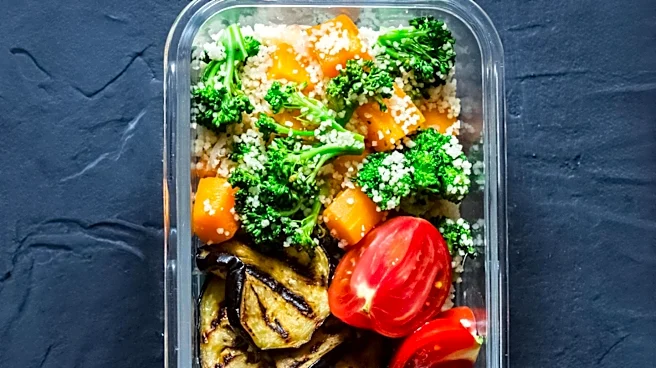
Meal prepping involves planning and preparing meals in advance, often in bulk, to streamline daily eating habits. This practice aims to reduce the time and effort spent on cooking during busy weekdays, particularly beneficial for individuals and families
with demanding schedules. By preparing ingredients or entire meals ahead of time, individuals can ensure access to nutritious options, control portion sizes, and manage dietary needs more effectively. The process typically begins with planning a menu for the week, followed by grocery shopping and then cooking components or full dishes that can be easily reheated or assembled. This approach helps in avoiding last-minute unhealthy food choices and can contribute to a more organized and less stressful daily routine. The concept emphasizes starting small, perhaps by prepping one meal per day, and gradually expanding the scope as one becomes more comfortable with the process.
Why It's Important?
The importance of meal prepping extends beyond mere convenience, impacting personal health, financial stability, and time management. From a health perspective, it allows for greater control over ingredients, enabling individuals to reduce processed foods, unhealthy fats, and excessive sodium, while increasing intake of fresh produce and lean proteins. This can be crucial for managing weight, addressing specific dietary restrictions, or simply maintaining a balanced diet. Economically, meal prepping can lead to significant savings by reducing impulse purchases, minimizing food waste, and cutting down on expensive takeout or restaurant meals. For busy professionals and families, it frees up valuable time during the week that would otherwise be spent cooking, allowing for more leisure, family time, or other commitments. It also fosters a sense of preparedness and reduces decision fatigue, contributing to overall well-being and a more structured lifestyle.
What's Next?
As meal prepping gains popularity, the trend is likely to see continued innovation in tools, services, and recipes designed to make the process even more accessible and efficient. We can anticipate a rise in specialized meal prep containers, kitchen gadgets, and online platforms offering customized meal plans and grocery lists. Food delivery services may further integrate meal prep kits, providing pre-portioned ingredients and instructions for quick assembly. Additionally, there could be an increased focus on sustainable meal prepping practices, such as reducing plastic waste and sourcing local ingredients. Educational resources, including workshops and online tutorials, will likely expand to cater to diverse dietary needs and cooking skill levels, encouraging more people to adopt this habit for long-term health and financial benefits. The emphasis will remain on making healthy eating convenient and sustainable for modern lifestyles.
Beyond the Headlines
Beyond its immediate benefits, meal prepping reflects a broader societal shift towards intentional living and self-optimization. In an increasingly fast-paced world, individuals are seeking ways to regain control over their health and time, and meal prepping offers a tangible solution. It highlights a growing awareness of the connection between diet and overall well-being, moving beyond reactive health measures to proactive prevention. Culturally, it challenges the reliance on convenience foods and promotes a return to home-cooked meals, albeit in a modernized, efficient format. This practice also fosters discipline and planning skills that can translate to other areas of life, promoting a more organized and mindful approach to daily routines. The ethical implications include considerations of food sourcing and waste, pushing consumers towards more sustainable and responsible consumption patterns.