
What's Happening?
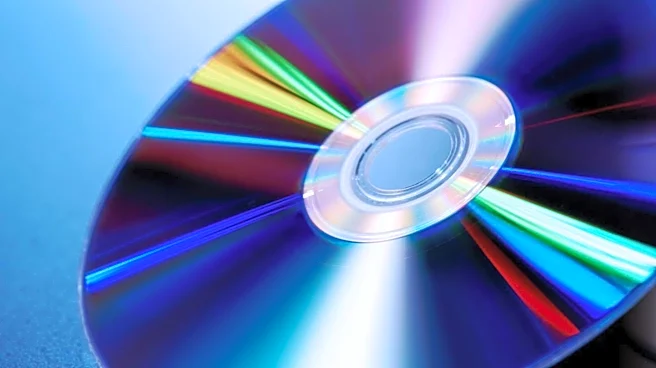
Ripping music from personal CD collections provides a method to create a lossless audio archive that is not subject to the licensing changes and content removals common in streaming services. CDs store uncompressed, lossless-quality audio, and by using
a disc drive and appropriate software, individuals can save these tracks to their computers or Android devices. While dedicated software like Exact Audio Copy or XLD is preferred by enthusiasts for 'bit-perfect' rips, standard media players on Windows 11 or Apple Music on Mac are also capable. The process involves selecting lossless formats such as FLAC or ALAC (Apple Lossless Audio Codec), with ALAC being ideal for Apple ecosystem users. This practice is generally considered fair use in the U.S. for personal use, though explicit legal guarantees are absent.
Why It's Important?
This method offers a significant advantage to U.S. music consumers by providing permanent access to their music, free from the volatility of streaming service catalogs. Licensing agreements frequently cause songs and albums to disappear from streaming platforms, frustrating users who have invested time and money into their digital libraries. By creating a personal lossless archive, individuals gain control over their music collection, ensuring its longevity and consistent availability. This approach also promotes higher audio fidelity, as lossless files retain the original quality of the recording, appealing to audiophiles. Economically, it can be a cost-effective long-term solution, as it eliminates the continuous subscription fees required for streaming services, especially for those who prefer owning their music rather than renting it.
What's Next?
As streaming services continue to dominate, the practice of ripping CDs might see a niche resurgence among those prioritizing ownership and audio quality. The market for external disc drives, which have become less common in modern computers, could experience a slight uptick. Software developers might also focus on improving user-friendly ripping and music management tools. Furthermore, there could be increased discussion and advocacy for clearer legal frameworks regarding personal media archiving in the digital age. Consumers might also become more aware of the impermanence of streaming content, potentially leading to a hybrid approach where they subscribe to streaming services for discovery while maintaining personal archives for cherished music.
Beyond the Headlines
The act of ripping CDs touches upon deeper themes of digital ownership, intellectual property, and the evolving relationship between consumers and content. In an era dominated by subscription models, creating a personal archive represents a form of digital self-reliance, pushing back against the 'renting' of media. Ethically, while generally considered fair use for personal copies, the practice highlights the tension between copyright holders' rights and consumers' desire for permanent access to purchased content. Culturally, it reflects a nostalgia for physical media and the tangible experience of owning music, contrasting with the ephemeral nature of streaming. This trend could also foster a greater appreciation for audio quality and the technical aspects of music playback, encouraging a more engaged and informed listening experience.