




What's Happening?
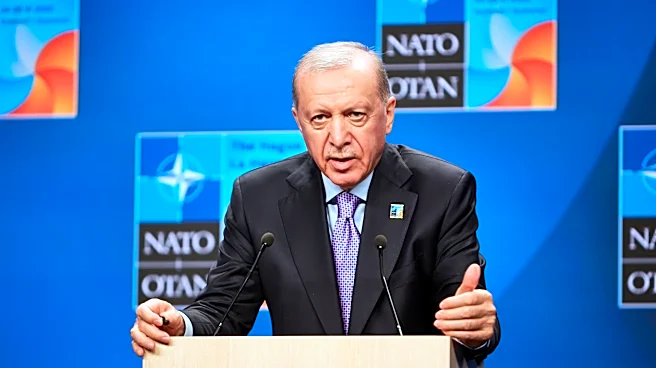
Turkey's Trade Minister, Ömer Bolat, has announced that Turkey is seeking an exemption from any potential tariffs or quotas that may arise from an ongoing European Union investigation into hybrid car imports. The European Commission initiated this investigation on October
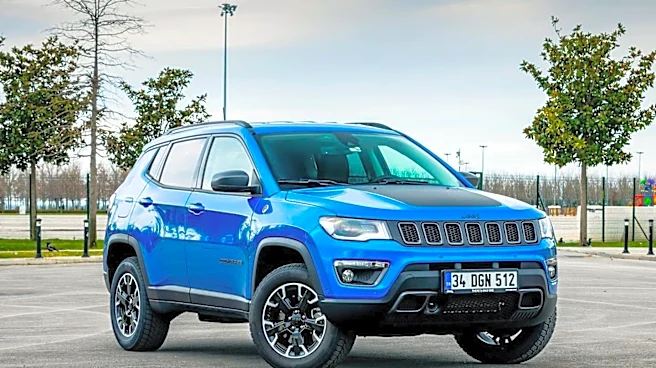
30 to assess whether the increasing influx of conventional and plug-in hybrid vehicles poses a threat to the EU's domestic automotive manufacturers. In 2025, Turkey was identified as the third-largest non-EU supplier of conventional hybrid cars to the bloc, contributing 18 percent of the total value of these imports. The investigation aims to determine if protective measures are necessary to safeguard the European automotive industry from what could be perceived as unfair competition or market disruption due to rising import volumes.
Why It's Important?
This development is significant for the global automotive industry and trade relations between Turkey and the European Union. If the EU imposes tariffs or quotas on hybrid car imports, it could substantially impact Turkish automotive manufacturers, who rely on the European market for a significant portion of their exports. An exemption for Turkey would preserve its competitive edge and market share within the EU, potentially influencing future trade agreements and negotiations. Conversely, if an exemption is not granted, Turkish manufacturers might face increased costs and reduced demand, leading to economic repercussions within Turkey's automotive sector. The outcome of this investigation and Turkey's request will also set a precedent for how the EU balances its trade policies with the protection of its domestic industries, affecting other non-EU automotive exporters.
What's Next?
The European Commission's investigation into hybrid car imports is ongoing, and its findings will determine whether tariffs or quotas are implemented. Turkey will likely continue its diplomatic efforts to secure an exemption, presenting arguments about the nature of its automotive industry and its trade relationship with the EU. The EU will need to weigh the interests of its domestic car manufacturers against its broader trade policies and international agreements. The decision could lead to further negotiations between Turkey and the EU, potentially impacting other sectors of their economic partnership. Automotive companies in both regions will closely monitor the investigation's progress and its eventual outcome to adjust their production and export strategies accordingly.
Beyond the Headlines
The EU's investigation into hybrid car imports and Turkey's request for an exemption highlight broader trends in global trade, particularly the tension between free trade principles and the desire to protect domestic industries. As countries increasingly focus on green technologies like hybrid vehicles, trade policies are evolving to address new competitive landscapes and environmental goals. This situation also underscores the complex interdependencies in global supply chains and the potential for trade disputes to arise from shifts in consumer demand and technological advancements. The outcome could influence how other economic blocs approach similar issues, potentially leading to a re-evaluation of trade agreements concerning emerging technologies and environmental sustainability.